I’m in a contemplative mood. I collect, I make lists, and recently people have been asking for copies. I try to help and get compliments. How unusual. I’m not really used to those.
DB wants a list of Cindy Sherman and David Shrigley covers, Felix wants a list of Damien Hirst covers and I send them with explanations. A friend casually asks “how many Banksy covers are there?” And I answer “Well, I have about two hundred.” I check my curent list, that doesn’t have them all.
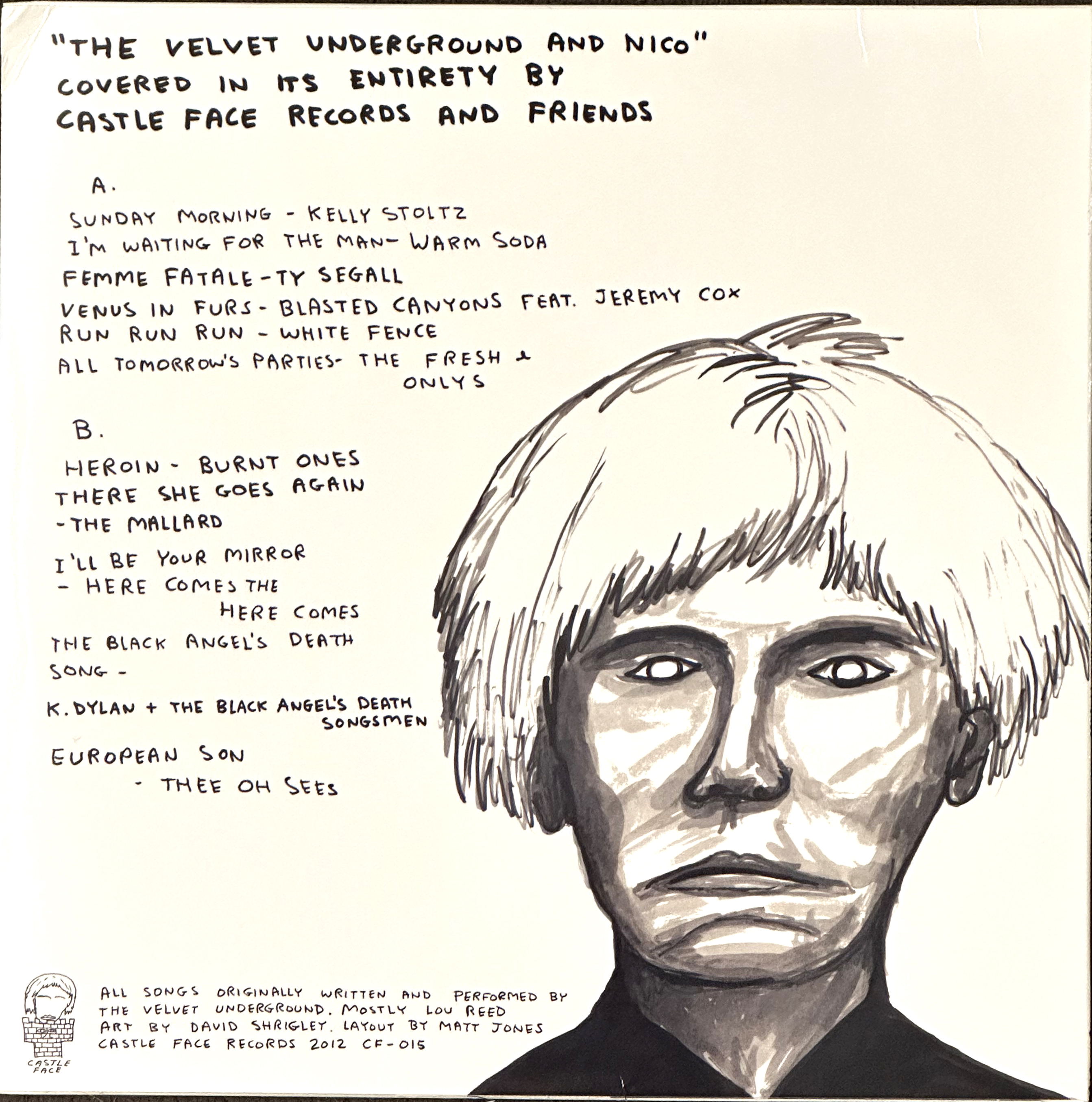
DB gets back to me and wonders if I’ve missed one Shrigley cover and sends me a picture of the Velvet Undergrund & Nico album released by Castle Face Records with its Shrigley rendition of Warhol’s Banana on the cover and his portrait of Andy on the rear. I check my list and note number 37–listed as a Various Artists compilation. It’s the Castle Face album. I remember that I asked David Shrigley to sign it when he visited Spritmuseum in Stockholm a few years ago.
Then, in late November 2024, Paul emails that there is a new record being released with a cover designed by David Shrigley. Another to a. add to my collection, and b. add to my Shrigley list. Paul says it’s a limited edition and I better hurry. By the time I get his mail I’ve already ordered it. Then the following week he emails me again about what I assume is the same release, only it isn’t. It’s a second version of the record, this time pressed on red vinyl. The first version came on yellow vinyl. I rush to order a copy but find it has already sold out. Ouch! I check Ebay. There’s a copy for sale there and I manage to grab it.
So now my Shrigley list has sixty-six titles, although that includes a few doubles.
And, another little compliment–Spritmuseum, in Stockholm, where their current exhibition Money on the Wall: Andy Warhol is a critically lauded success has eighteen of my Andy Warhol designed record sleeves on display, want me to give a talk about record cover art at the end of January 2025.
I’ve called it Record Cover Art from Warhol to Banksy. Now all I need to do is put it all together. I’m making a new list of important covers.
Band Aid’s single Do They Know It’s Christmas? was concieved on November 2nd 1984 by Bob Geldorf who contacted Midge Ure and together they wrote the song on the following day. The song was recorded at SARM West End studios on Sunday, November 25th by a collection of artists enlisted specially for this recording.
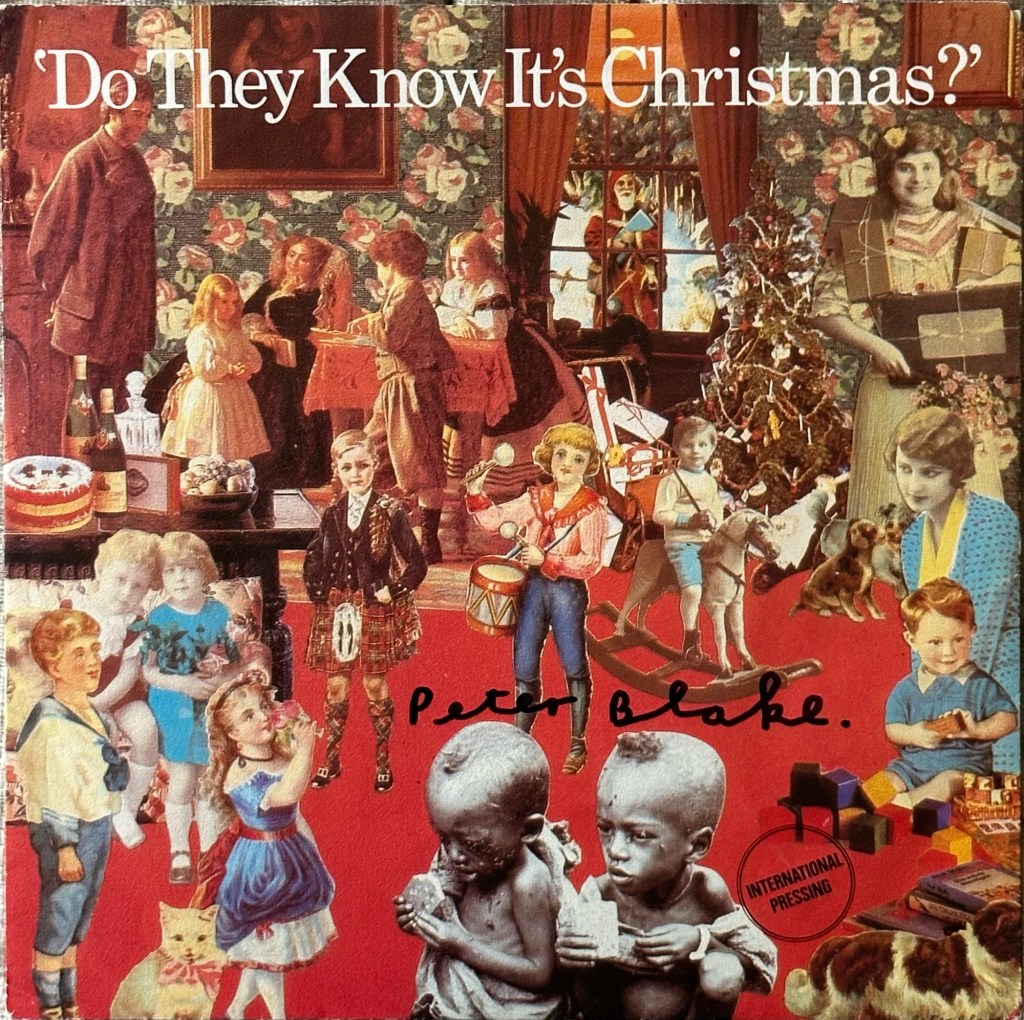
Peter Blake was approached to design the cover and was give one week to come up with the design. A classic Peter Blake collage:
The record was released on 7th December 1984 both on seven-inch and twelve-inch vinyl, and went on to sell millions of copies resulting in GBP 8 million for the charity. I went out and bought several copies to give to friends as Christmas presents.
The record was re-released in November 1985 with a new B-side One Year On (Feed the World), again as a seven-inch and a twelve inch.
Do They Know It’s Christmas? was first released on CD in 1989 together with a cassettee and new seven-inch versions. The cover was a disappointing black or green cover designed by David Howells.
The next release was for the record’s twentieth anniversary in 2004. Released only as CD single, the cover was initially to be designed by Damien Hirst but his design was rejected as being too harrowing and Mat Maitland made the cover image A Disney-ish winter scene with a superimposed image of the back of a starving child.
For the thirtieth anniversary in 2014, Tracy Emin was selected for the cover design and she produced one of her neon signs.
And now it’s 2024–forty years after the original release and Bob Geldorf has once more asked Sir Peter Blake for a new design. It was released on 29th November, this time, only available as a 12″ maxi EP and a CD. Trevor Horn, the producer of the original 1984 version of Do Thy Know It’s Christmas has produced a new remix for this fortieth anniversary release.
Blake has reused his red heart on a yellow background as the main image and selected a range of collagese placed along the top. Front cover design is, however, credited to Mark Cowne with layout and design by Darren Evans. I get a bit muddled by all these designers. All I know is the images on the front cover are by Peter Blake.
This isn’t the first time Blake’s red heart motif has appeared on a record cover. It turned up on the inner spread of Mark Knopfler’s Tracker LP in 2015.
Stay tuned for my report on the fiftieth anniversary version. I hope I’m still around then.
I don’t need to work too hard to keep up to date with record releases that have cover art by Klaus Voormann. Thorsten Knublauch–expert on all things about the Beatles in Germany–is also an expert on KLaus Voormann’s art and has tipped me off about a couple of Voormann’s books as well as most of the Voormann covers I’ve collected in recent years. He tippped me off about Wolfgang Bernreuther’s 2023 Still a Fool album when it first appeared as a CD and a quick search of Discogs allerted me to a limited edition vinyl version that I finally got hold of this week.
The deluxe vinyl version includes a fourteen-track 180g LP, a bonus 12″ four-track maxi EP, a large poster of the cover art as well as a Klaus Voormann print. Apparently the deluxe album is limited to 1000 copies.
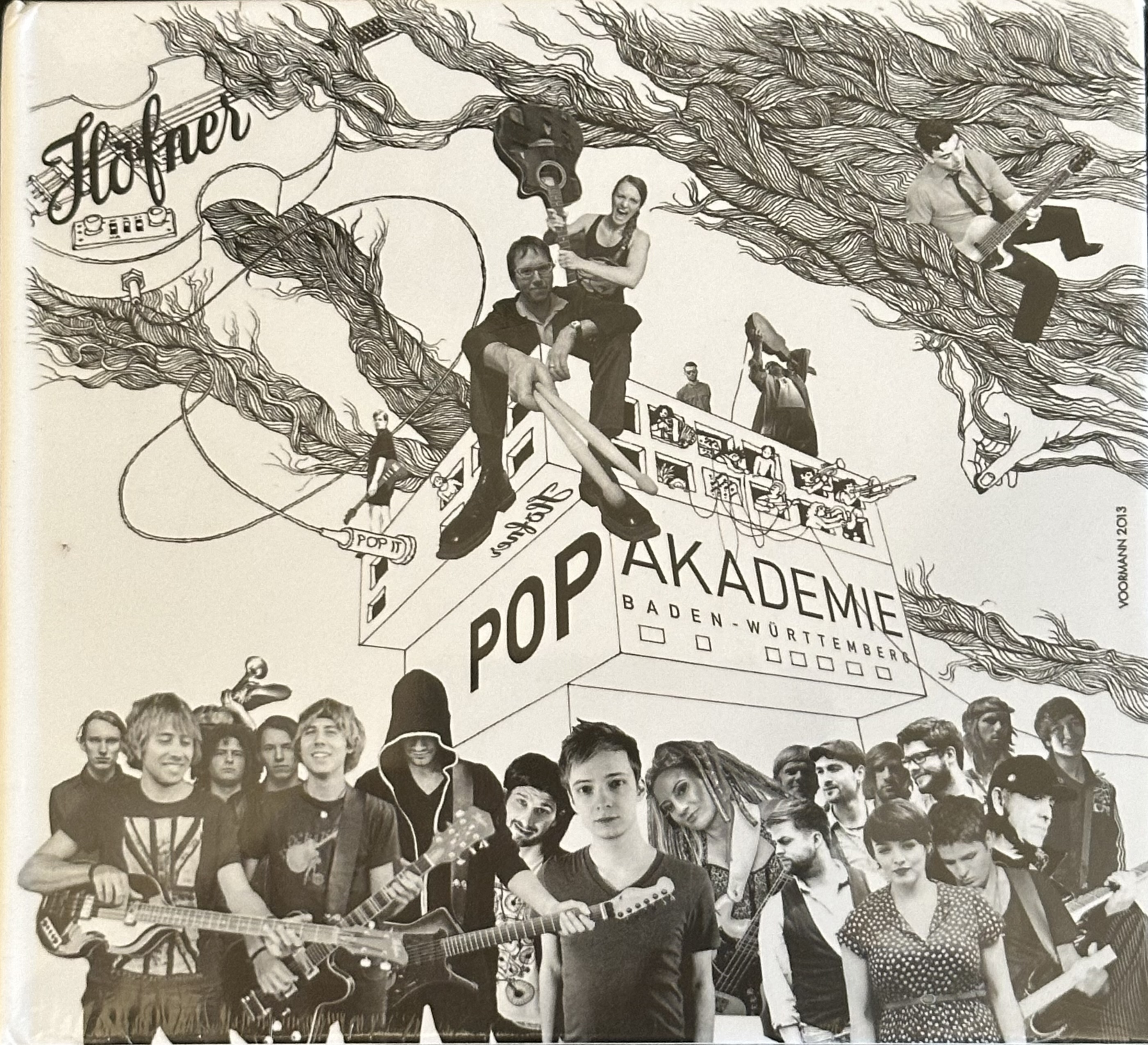
A couple of months ago Thorsten sent me a picture of a CD with Voormann art that I hadn’t seen before.
The CD was produced by the POP Akademie Baden-Würtemburg and released in 2014. It wasn’t listed on Discogs and I couldn’t find any information about it online. So, I googled the Pop Akademie and found their home page but no contact information. I asked Thorsten if he could try to contact them–my German is non-existent–so I reckoned he would have a better chance of finding a way to get in touch with them. Sure, enough, he not only contacted them but weedled a couple of CDs from them, too, and sent me one.
Now my collection of Klaus Voormann covers totals one hundred and one releases, of the largest of my cover collections–only my Andy Warhol cover collection is bigger.
One of the most common questions people ask me when talking about my record cover collection is “How many covers did so-and-so do?” When discussing Andy Warhol’s cover art, people generally know two covers–and are surprised to hear that he was responsible for almost eighty in his lifetime. Few know that Peter Blake has designed thirty seven covers–they might know Sgt. Pepper’s Lonely Hearts Club Band and, perhaps, Paul Weller’s Stanley Road, but few others. And who knew that David Shrigley has been responsible for forty-one covers?
Anyway–Thank you Throrsten for keeping me up to date on Klaus Voormann’s recrd cover art! I’m truly grateful.
What a week last week turned out to be! The impressive Money on the Wall–Andy Warhol exhibition opened on Friday, 18th October at Stockholm’s Spritmuseum. The official opening was preceded by a preview and dinner for those involved in the production on the Tuesday and a massive party for fans of the museum on the Thursday before the opening.
Let me tell you something about Spritmuseum. Absolut Vodka was a Swedish vodka product owned by the Swedish Vin & Sprit company until it was bought by the Pernod Ricard Group in 2008. Absolut Vodka had since 1985 engaged artists to make artworks “celebrating” Absolut Vodka. The first artist to do this was none other than Andy Warhol, who painted two large canvasses featuring the classic Absolut bottle (more about these later.) Warhol suggested that Keith Haring do the following year’s work and the Absolut Art Collection was born. It now includes 850 works.
The Art Collection was not included in the sale of Absolut Vodka to the Pernod Ricard Group and a home was needed for it and the building on Djurgården, between the famous Vasa Museum and what has become the Viking Museum was chosen as the new Spritmuseum, not only housing the Absolut Art Collection but also a permanent exhibition of the hustory of alcohol drinking in Sweden.Spritmuseum’s artostoc director is Mia Sundberg, who has curated many exciting shows and I have been a regular visitor to exhibitions at Sprituseum that she has curated or organised. The Andy Warhol “portrait” of the Absolut Vodka bottle has been a regular feature in many of these exhibitions.
A couple of years ago Mia Sundberg and an associate found the second, “lost” Warhol version of the Absolut bottle in a garage. This find prompted the idea of a major exhibition of Andy Warhol’s art at Spritmuseum to show the new, blue version for the first time.
Mia Sundberg suggested that Blake Gopnik, author of the 2020 definitive Warhol biography curate the exhibition. He suggested “art as business” as a theme for the exhibition starting from Warhol’s expressed interest in money both as a subject for his art and as a business.
Mia Sundberg contaced me a few months ago and asked if the museum could borrow twelve of my Warhol record covers and I provided her with a list of possible covers to choose from. I promised to deliver the selected covers when the time came and three weeks before the opening I took the tram ot to Djurgården and delivered them.
A week or so later, I got an email from Mia asking for six more covers. That caused a problem–all my other Warhol covers are in Linköping, a town two hour’s drive from Stockholm, being stored before travelling to a new Warhol exhibition in Borås next year. So, I had to get on a train and collect the six covers and deliver them ASAP. Here are all the covers I have lent to Spritmuseum:
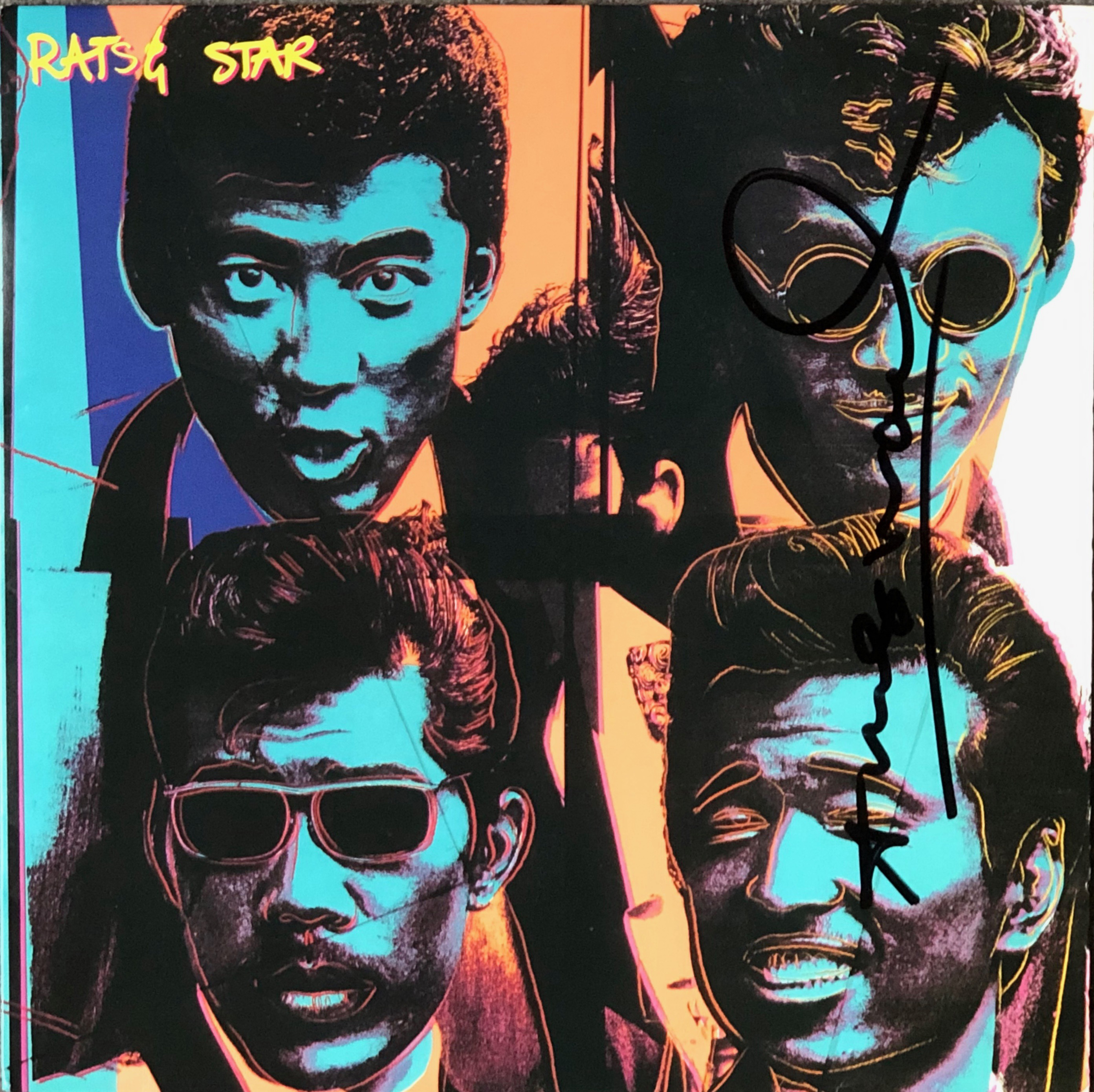
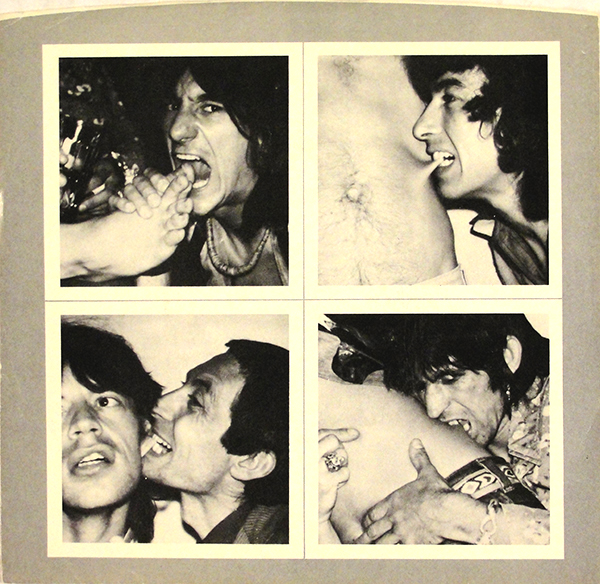
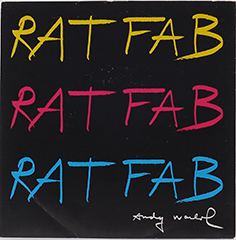
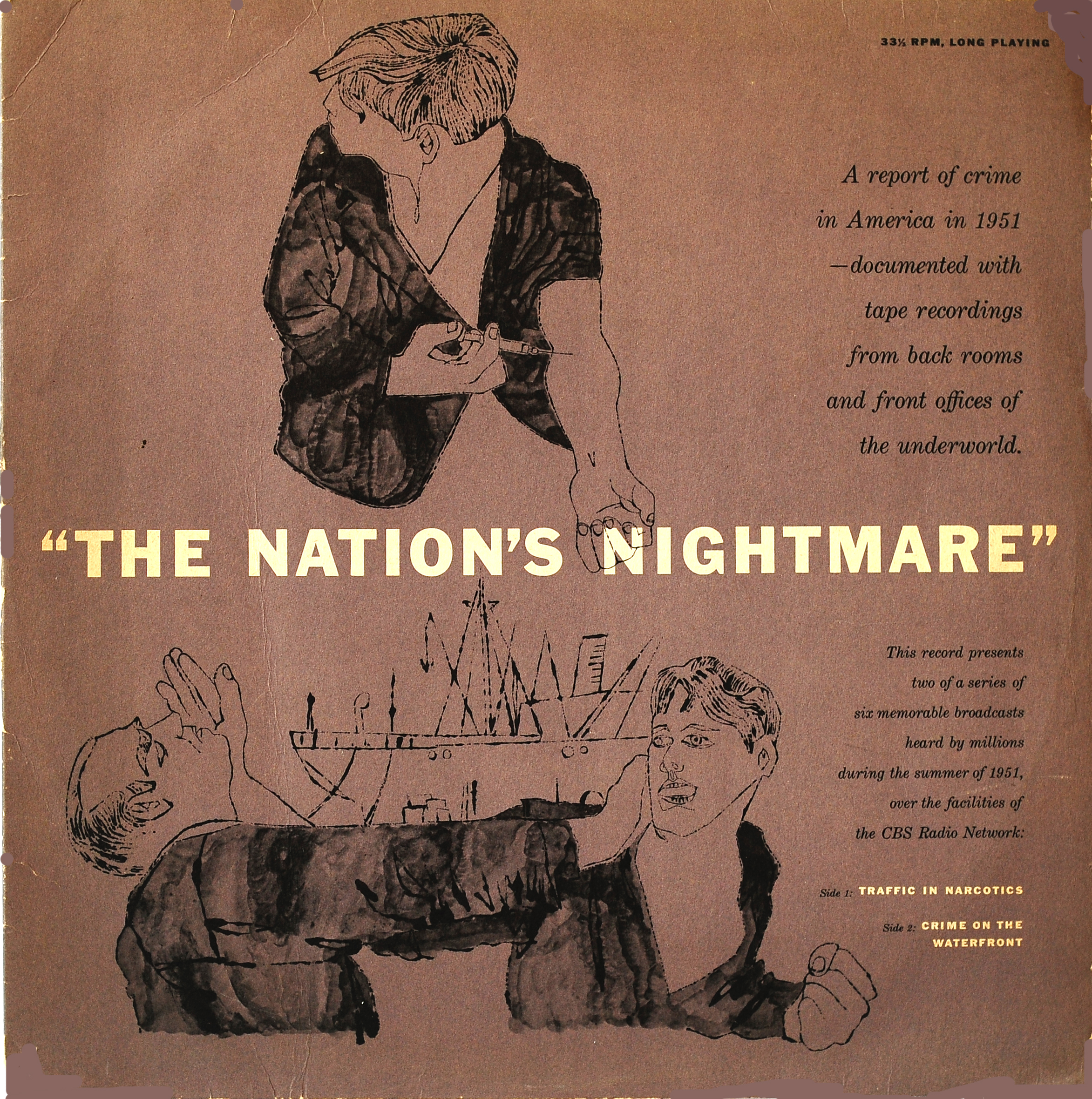
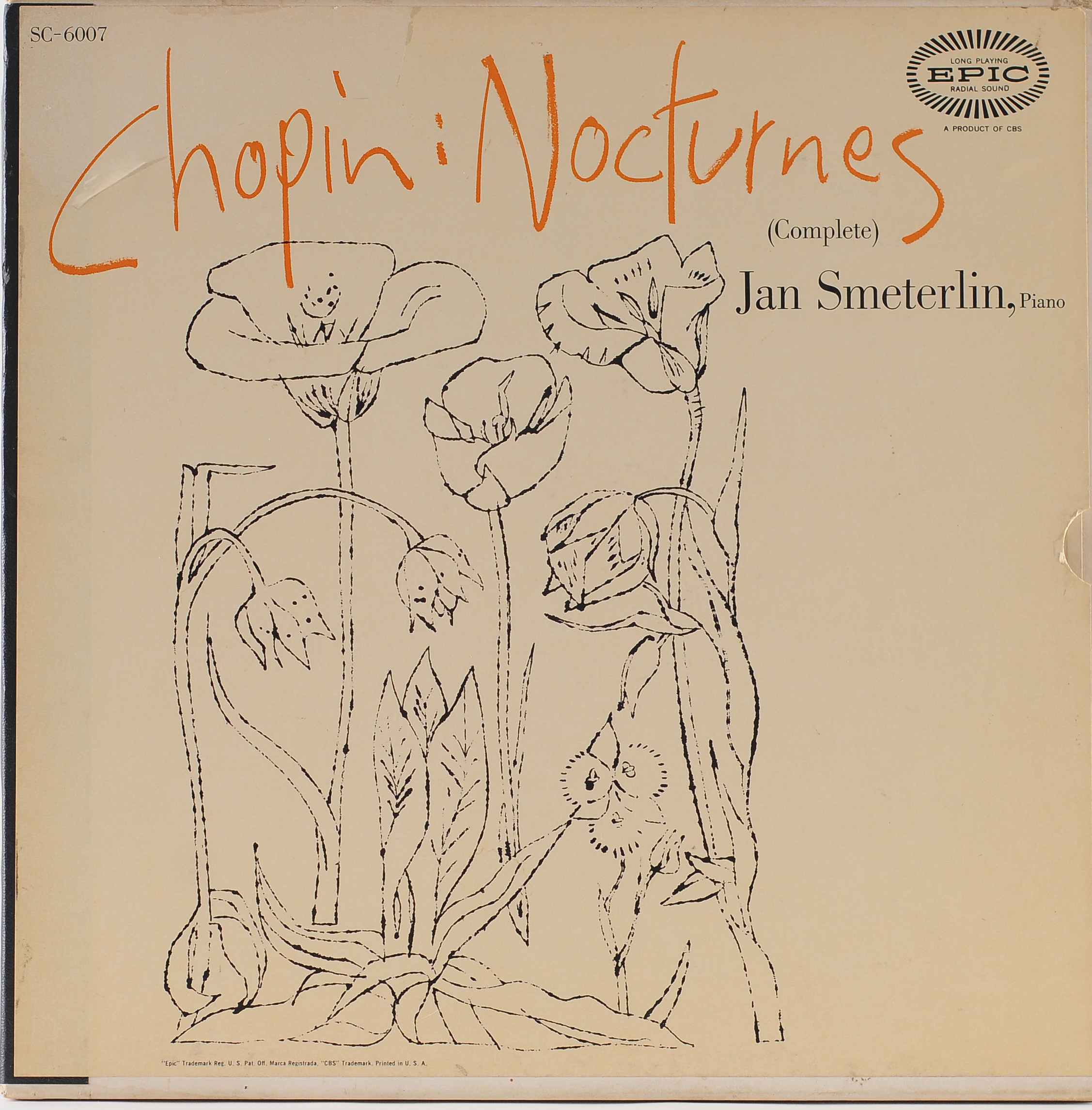
“Soul Vacation” by Rats and Star signed in 1983 in Japan when Andy Warhol met the band.“Velvet Underground & Nico” 50th anniversary version.“Aretha” CD booklet.The “Rolling Stones” promotional single.My signed “Sticky Fingers” LP.
In the end, the Rolling Stones promotional seve-inch and the RATFAB seven-inch were not included in the exhibiiton.
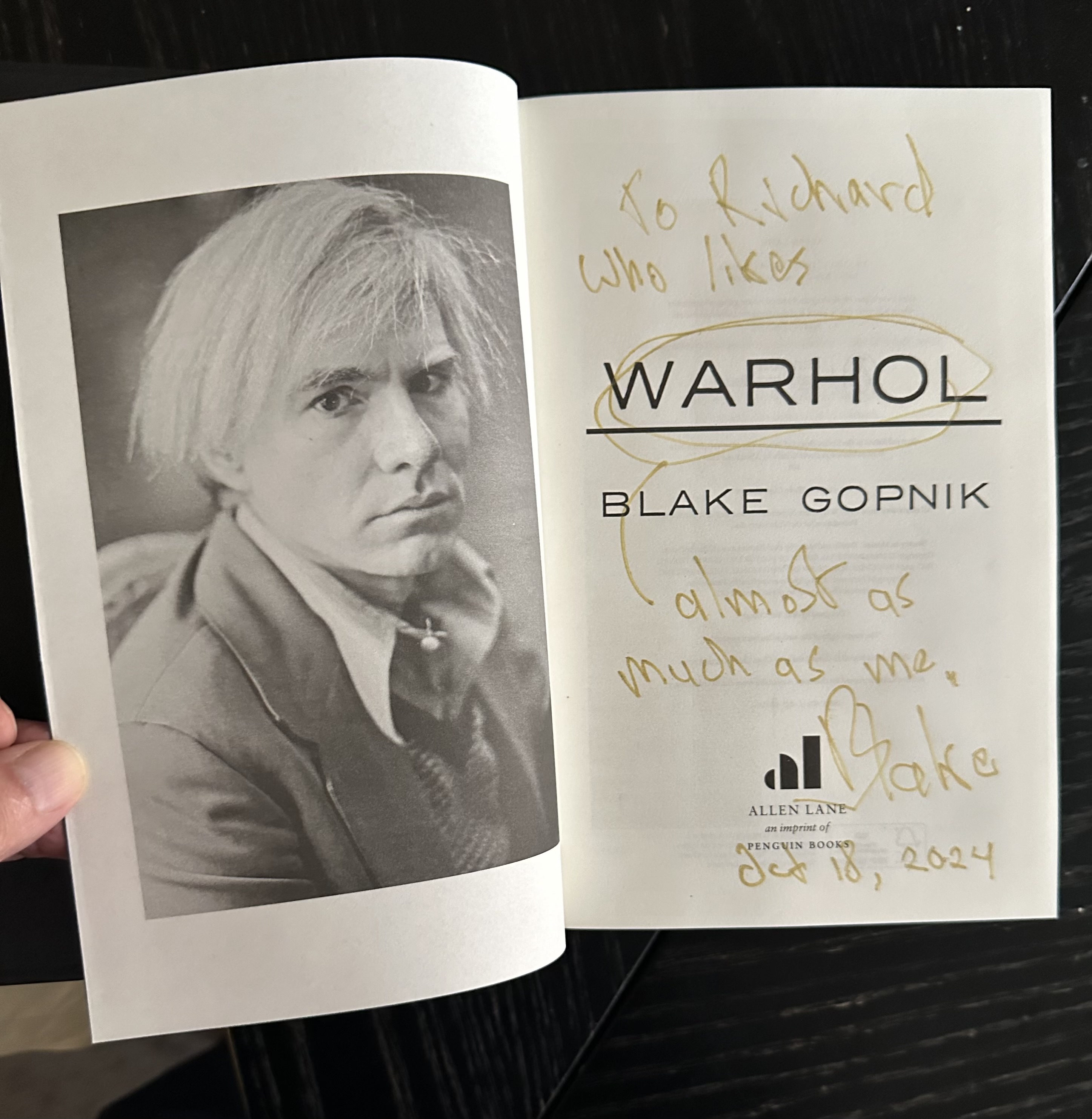
I had the honour/great good fortune to be seated beside Blake Gopnik at the preview dinner and we had a fascinating discussion. He kindly offfered to sign my copy of his Warhol biography.
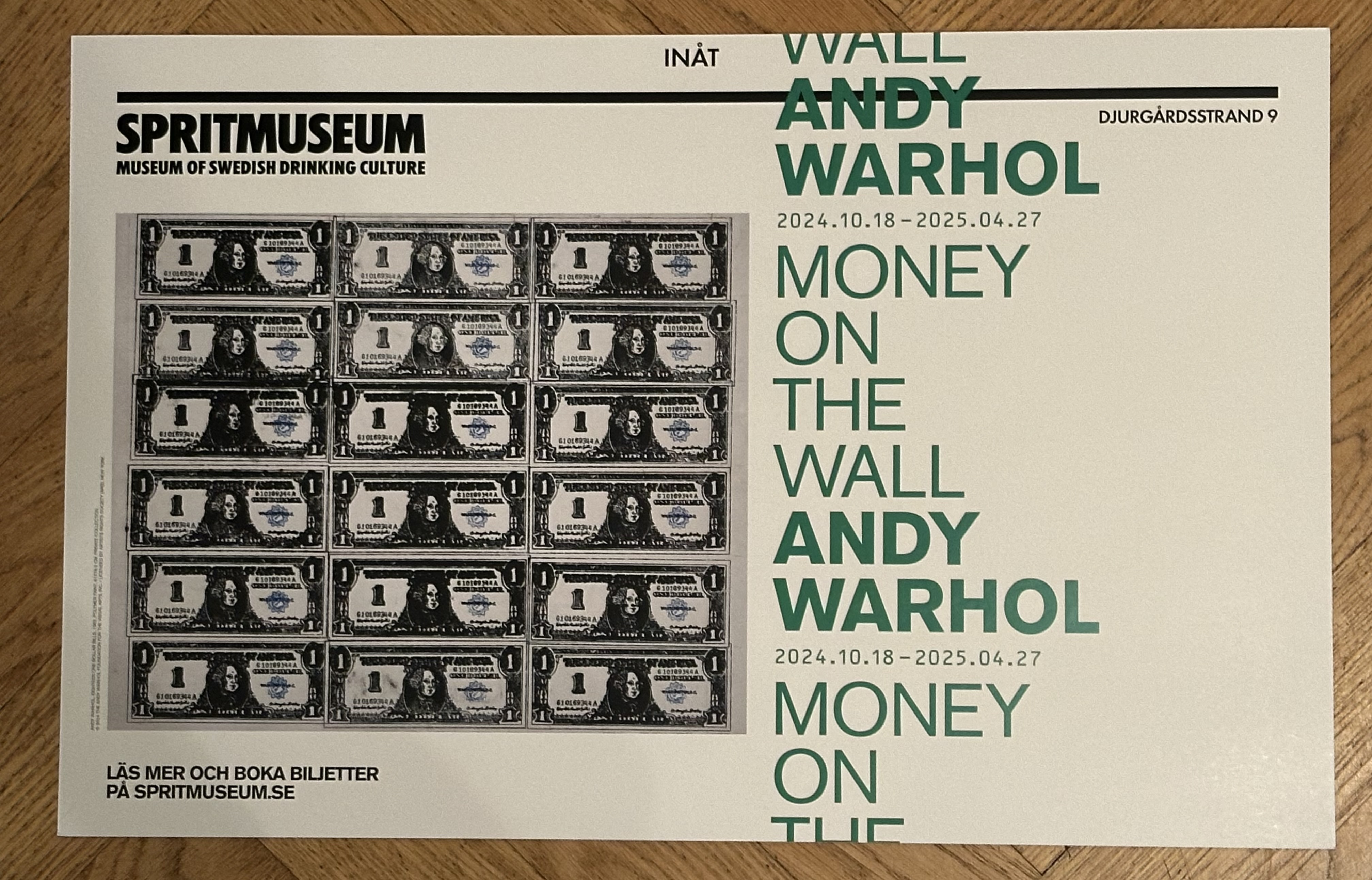
I also asked him to sign the exhibition poster together with Mia Sundberg. Her signature, unfortunately, is difficult to see..
Money on the Wall is an impressive exhibition that runs until 27th April 2025. It’s really one of the better Warhol shows I’ve seen.
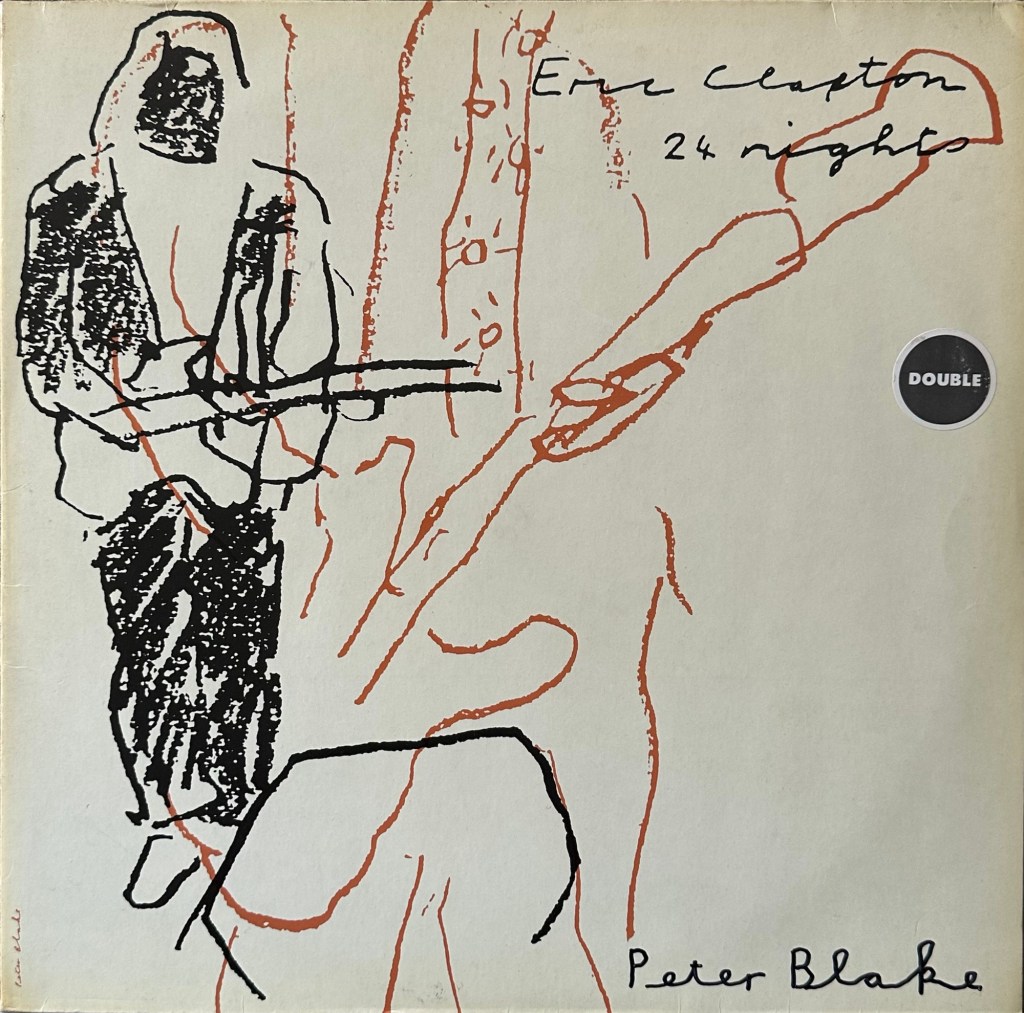
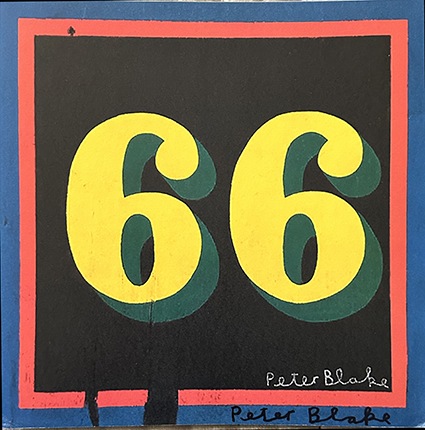
By my reckoning Sir Peter Blake, now in his 93rd year, has so far designed thirty-one record covers, not including the covers of the covers included in four singles box sets: Eric Clapton’s promotional 24 Nights single box, Paul Weller’s Stanley Road box, The Who’s Who box set, and Paul Weller’s recent 66 singles set, between 1967 and 2024. In addition two albums have featured Peter Blake’s art on their covers, though without Blake’s direct involvment. These are House of Love’s Babe Rainbow album (1992) that featured Pete Townshend’s framed Babe Rainbow print on the cover, and Mark Knopfler’s Tracker album (2015) that had Peter Blake’s Love Heart print on the inner spread..
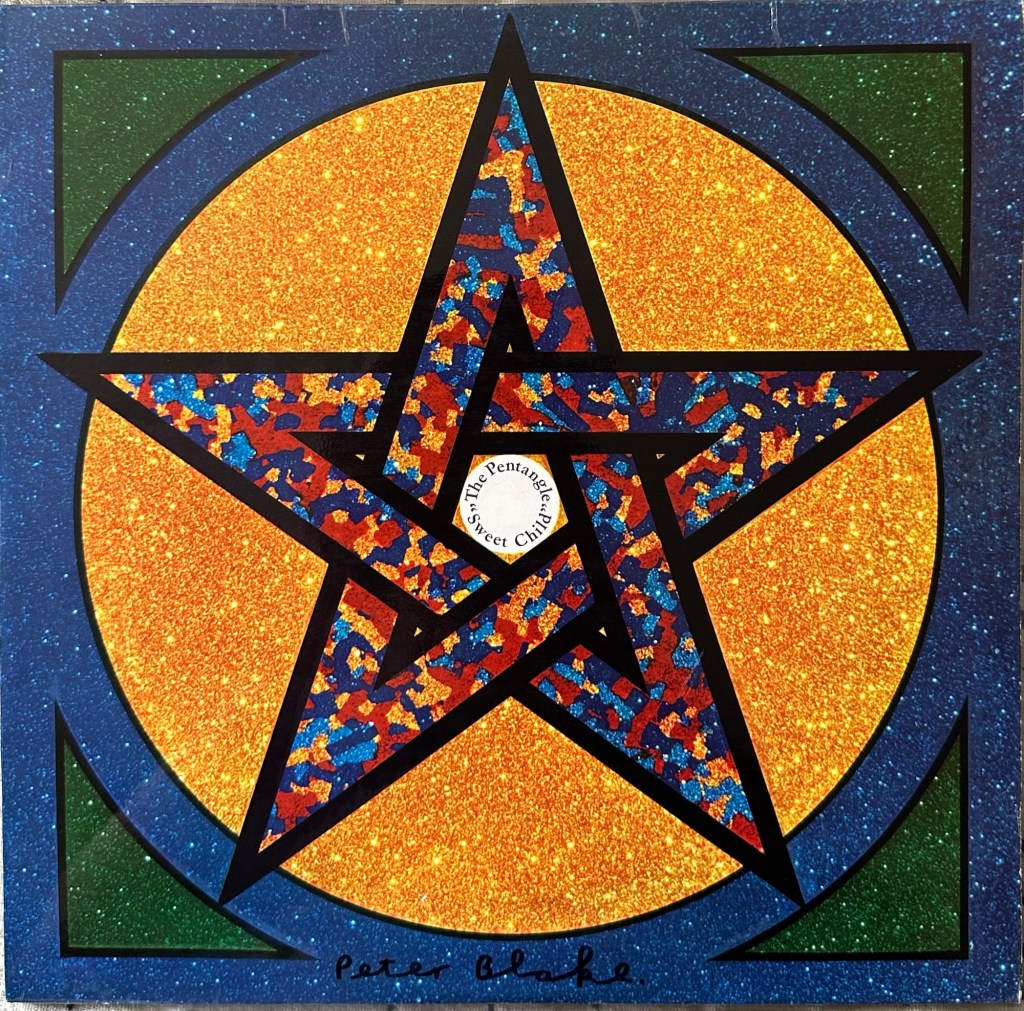
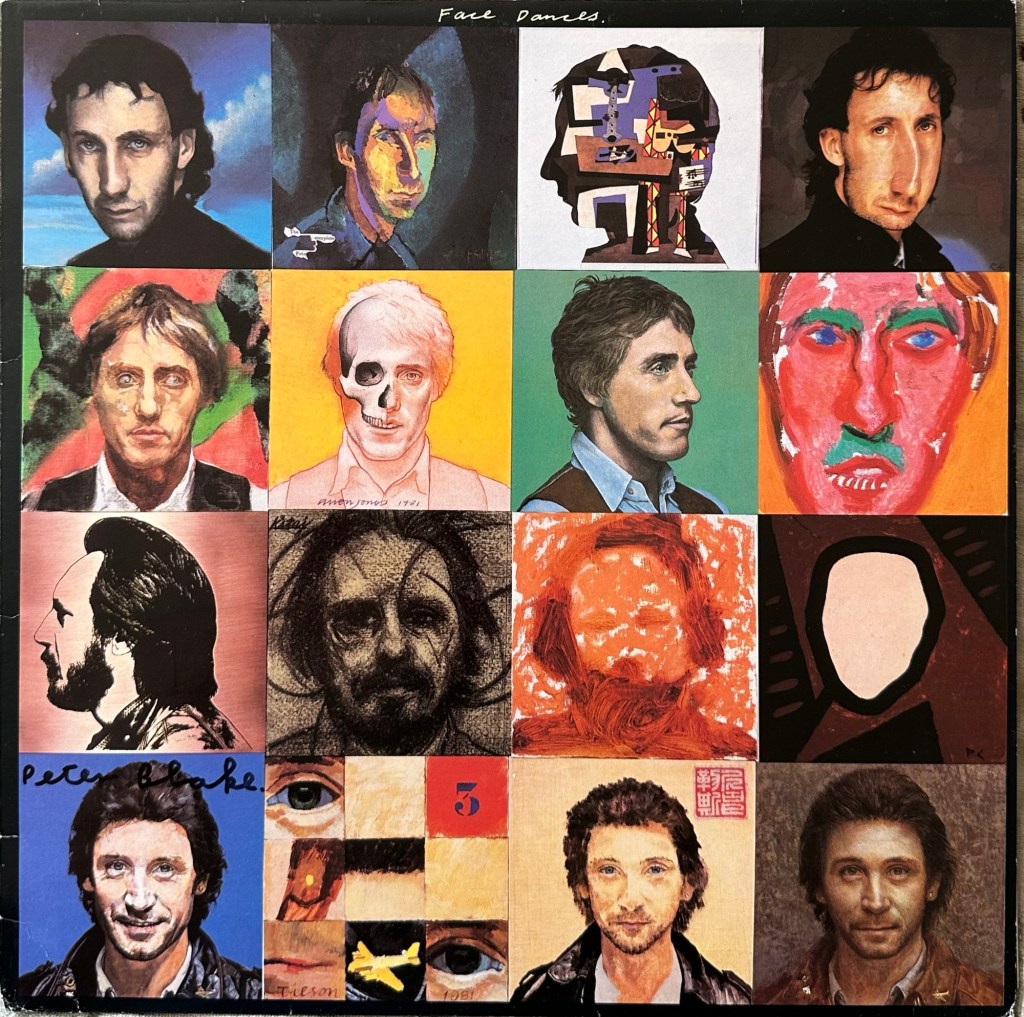
I didn’t start out to collect Peter Blake’s record covers, it sort of happened organically. Having bought the Beatles’ Sgt.Pepper’s Lonely Hearts Club Band LP on the day it came out in June 1967 and bought the Pentangle’s Sweet Child double album after seeing them at the Royal Albert Hall in November 1968. Roger McGough’s Summer With Monika was probably the next album with Peter Blake art that I got as I had read some of McGough’s poetry. Next came the Who’s Face Dances as I was (and am) a major fan of the Who. I can’t remember exactly when, or why, I bought Chris Jagger’s second album The Adventures of Valentine Vox the Ventriloquist, but I have always been intrigued by the cover that seems to epitomise Peter Blake’s whimsy.
Like millions of others, I rushed out to buy the Band Aid single Do They Know Its Christmas? single when it came out in December 1984 and even bought the reissue the following Christmas.
I realised that I had the beginning of a collection of Peter Blake’s record covers and continued to buy other covers over the ensuing years. My late friend and gallery owner Daniel Brandt was organising an exhibition of Peter Blake’s London and Recycling prints at his A and D Gallery in July 2010 and invited me to show my collection of Peter Blake covers along side the new prints. I had previously send a bundle of my Peter Blake covers to the man himself asking him to kindly sign them, which he graciously did, attaching a letter congratulating me on having so many covers, so these were the ones I showed at the Gallery. Peter and Chrissy Blake came to the opening and I gave him a copy of my catalogue from the exhibition of his record covers at Piteå Museum in 2009.
The Catalogue from Piteå Museum’s exhibiton of Peter Blake’s record covers.
Last week, I got a second parcel of Peter Blake covers back after a four-month period of uncertainty. As I wrote in my previous post, I had sent six covers to Sir Peter i March 2024 and heard nothing until early July when Chrissy Blake left them at the Waddington Custot Gallery and I could arrange for them to be sent on to me.
The arrival of the new signed covers made me think to make a list of all the Peter Blake covers I have managed to get signed. Of the thirty different vinyl and CD covers Peter Blake has designed or illustrated, I have no less than twenty-eight signed!
Here they are in chronological order:
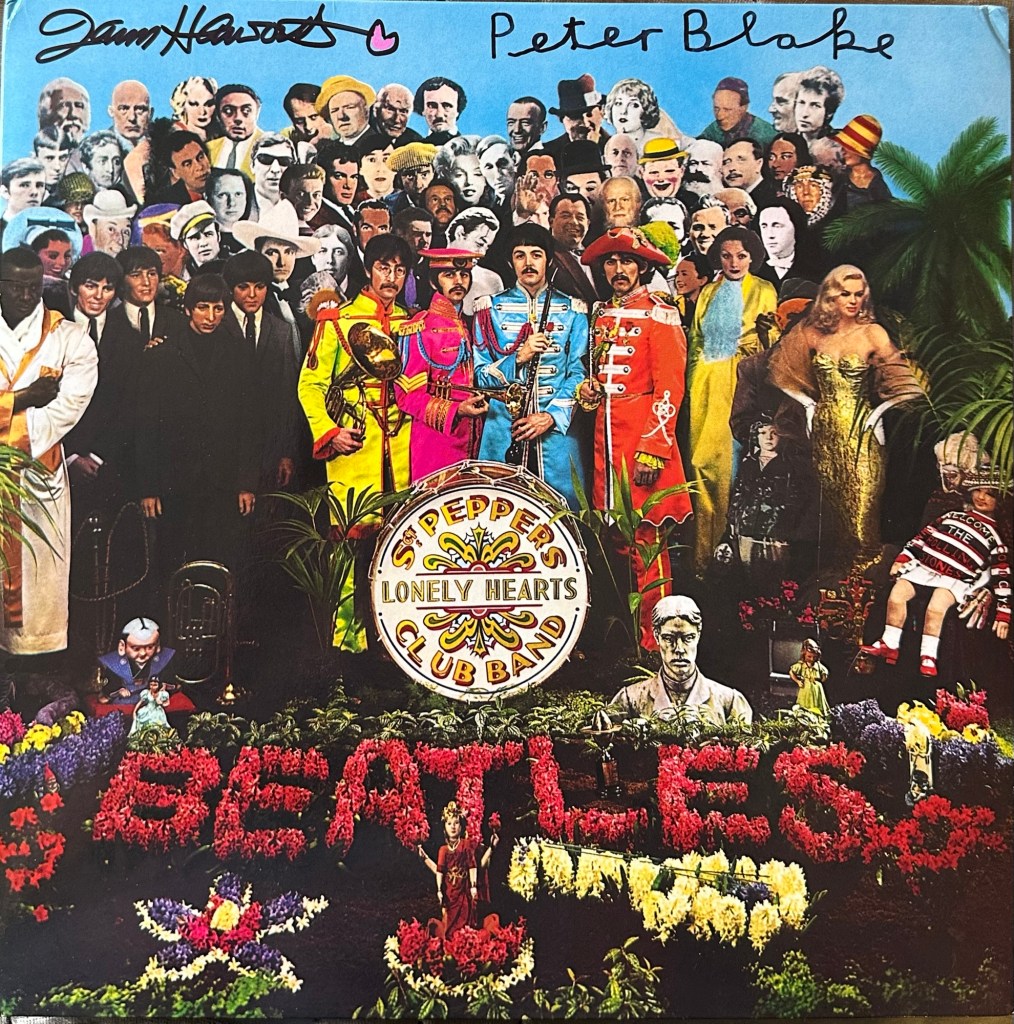
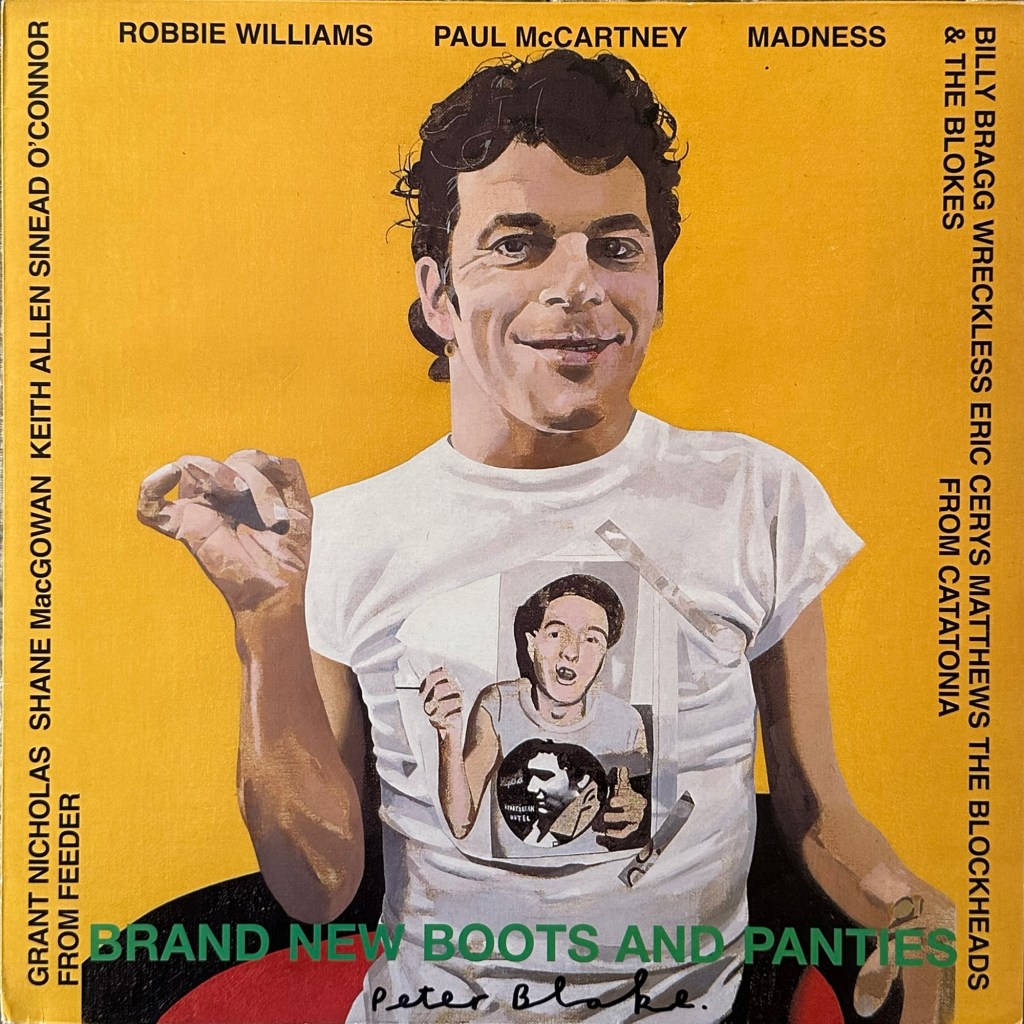
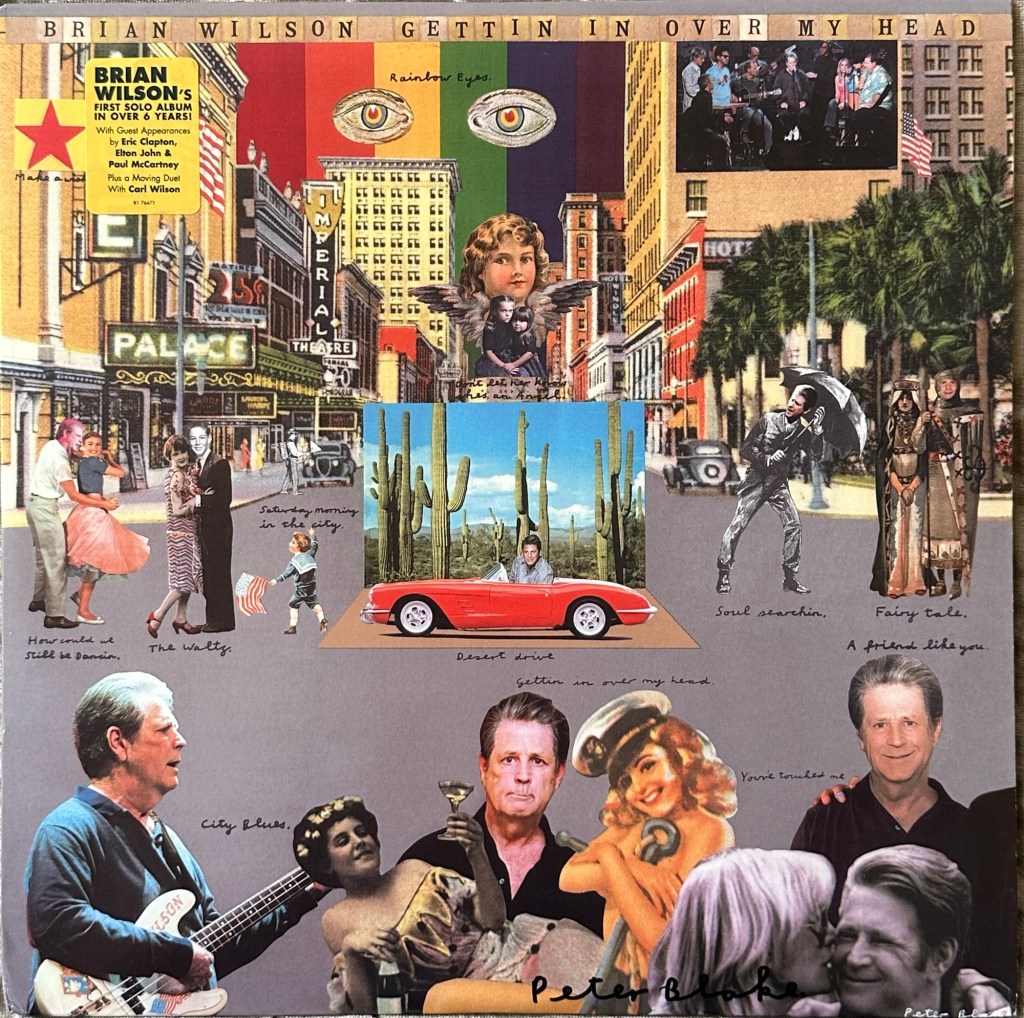
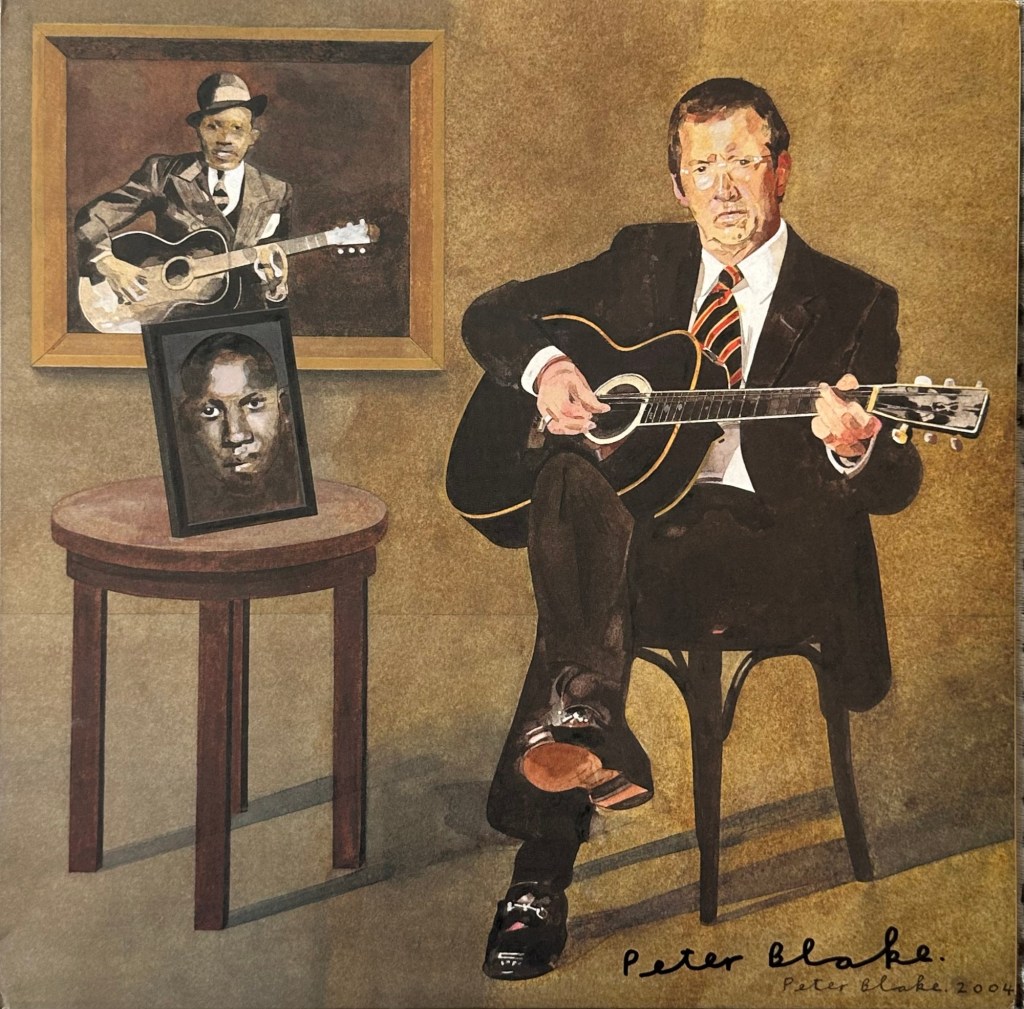
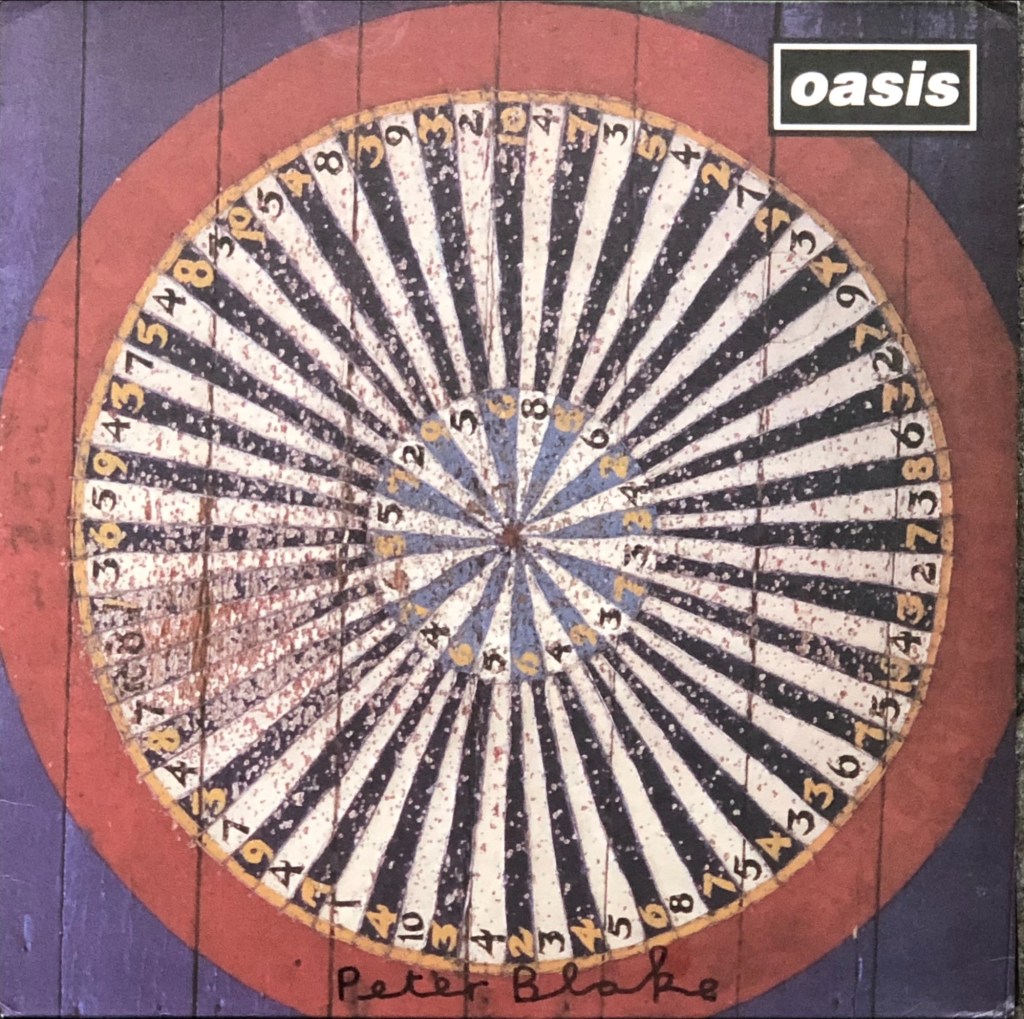
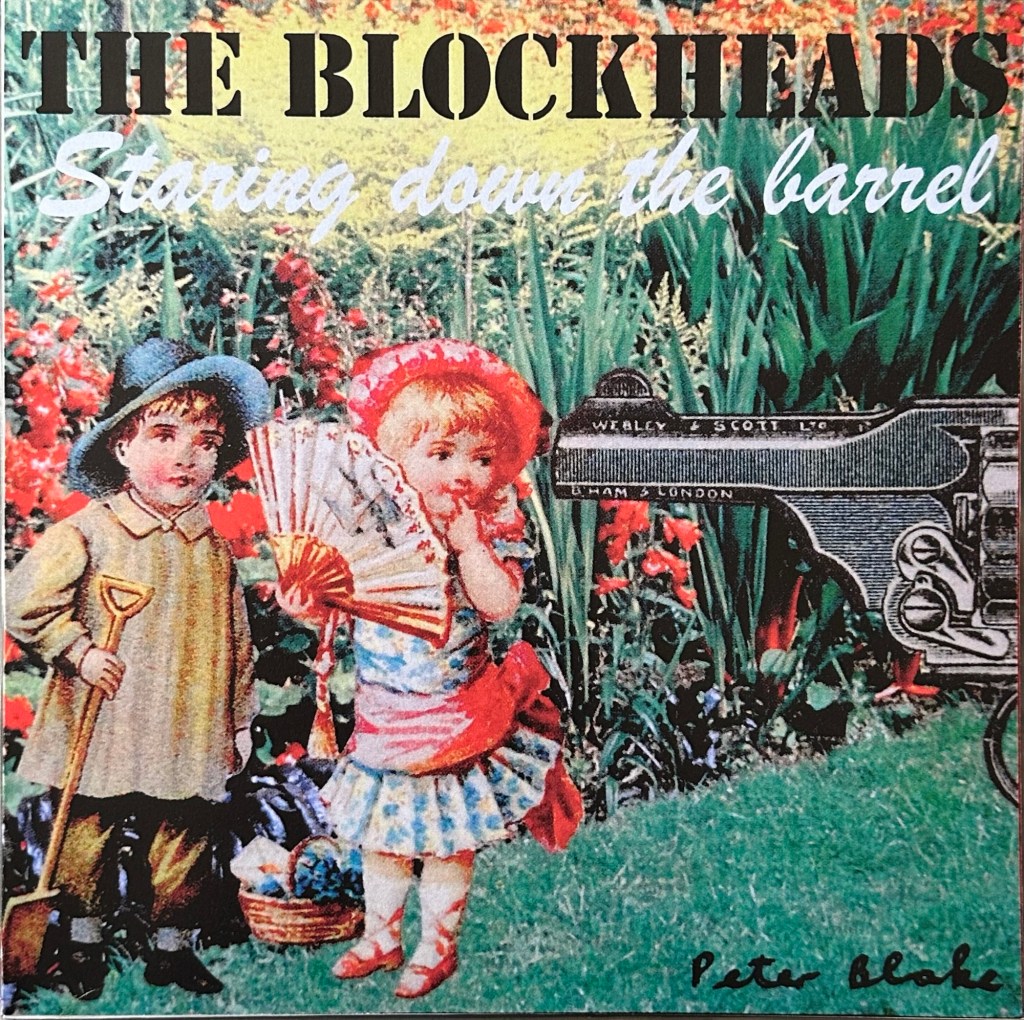
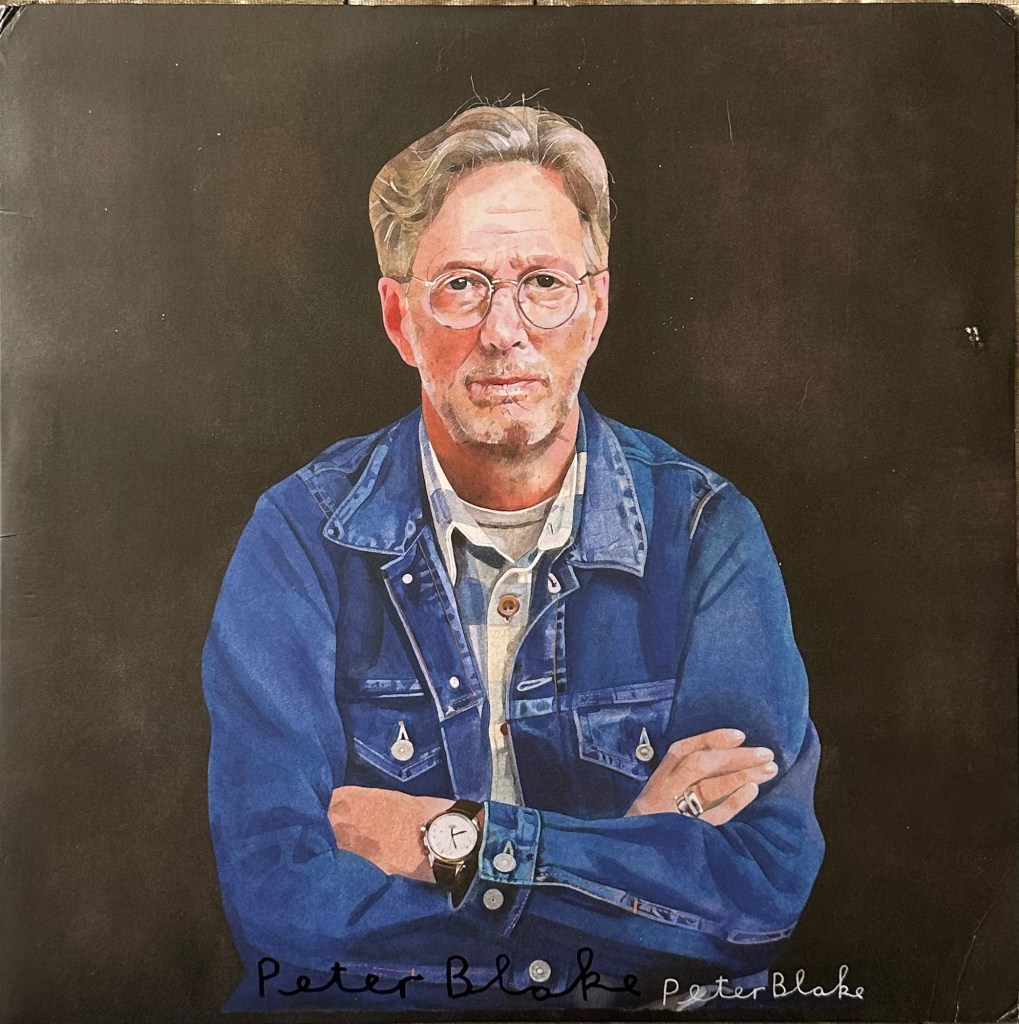
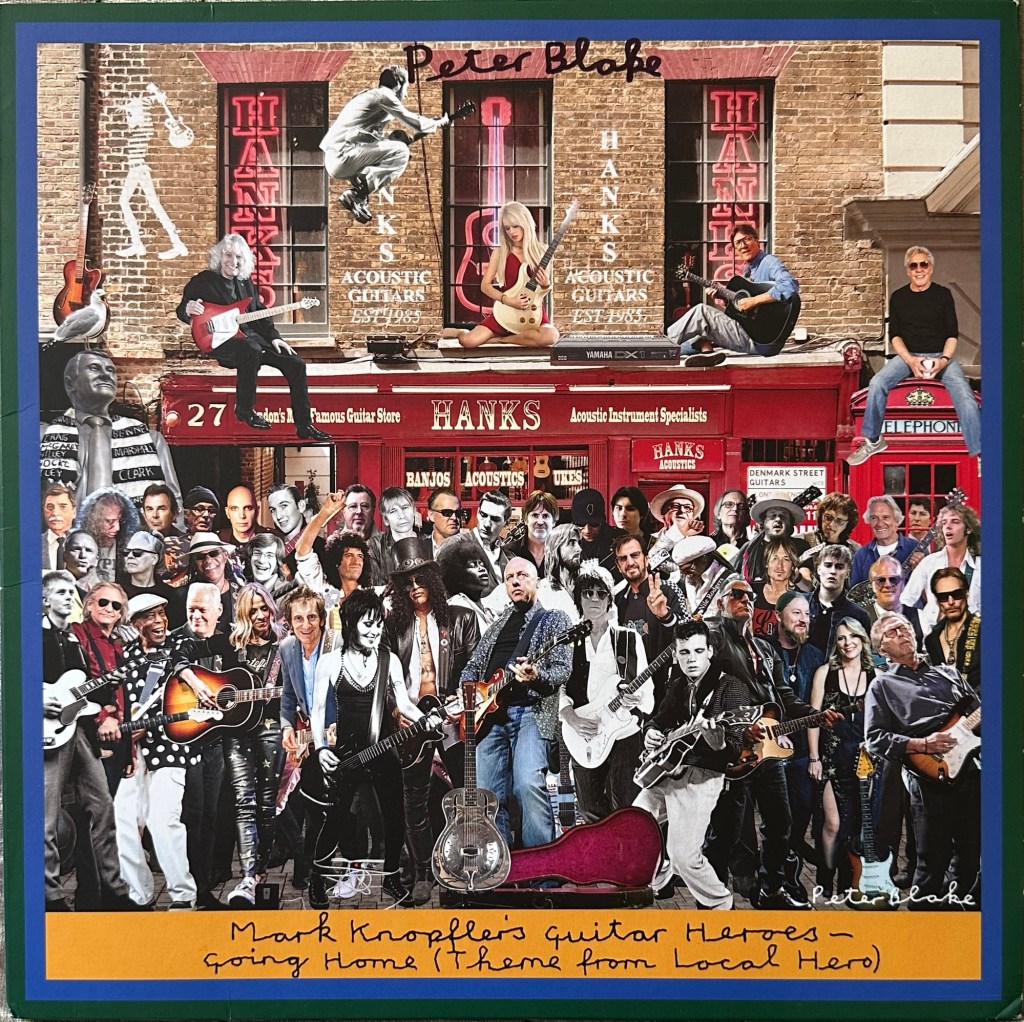
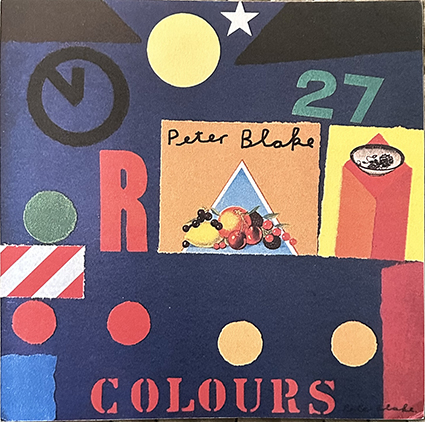
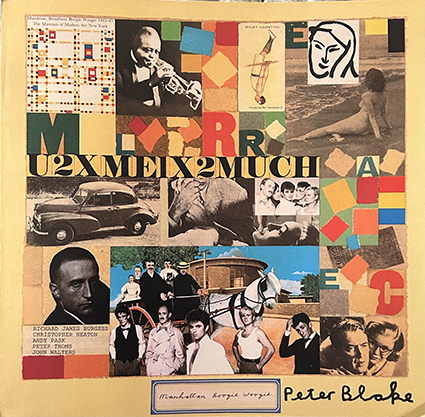
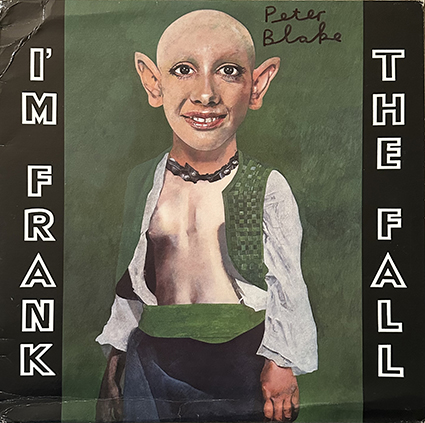
The Beatles – Sgt. Pepper’s Lonely Hearts Club BandThe Pentangle – Sweet ChildChris Jagger – The Adventures of Valentine Vox the Ventriloquist.Roger McGough – Summer With MonikaThe Who – Face DancesLandscape – Manhattan boogie WoogieBand Aid – Do They Know It’s Christmas?David Sylvain – A Little Girl Dreams of Taking the VeilIan Dury – ApplesThe Fall – i’m FrsnkEric Clapton – 24 NightsPaul Weller- Stanley RoadA Stranger Shadow – ColoursVarious Artists – Brand New Boots and PantiesBrian Wilson – Gettin’ in Over My HreadEric Cla-ton – Me & Mr JohnsonOasis – Stop the ClocksOasis – Champagne SupernovaVarious Artists – John Peel; Right Time, Wrong SpeedThe Blockheads – Staring Down the BarrelEric Clapton – I Still DoThe Who – WhoMark Knopfler’s Guitar Heroes – Leaving HomePaul Weller – 66
However, there are still three Peter Blake covers that I haven’t managed to get signed. These are Madness Oui Oui Si Si Ja Ja Da Da album, John Cooper Clarke’s CD The Luckiest Man Alive, and Eric Clapton’s box set of The Definitive 24 Hours.
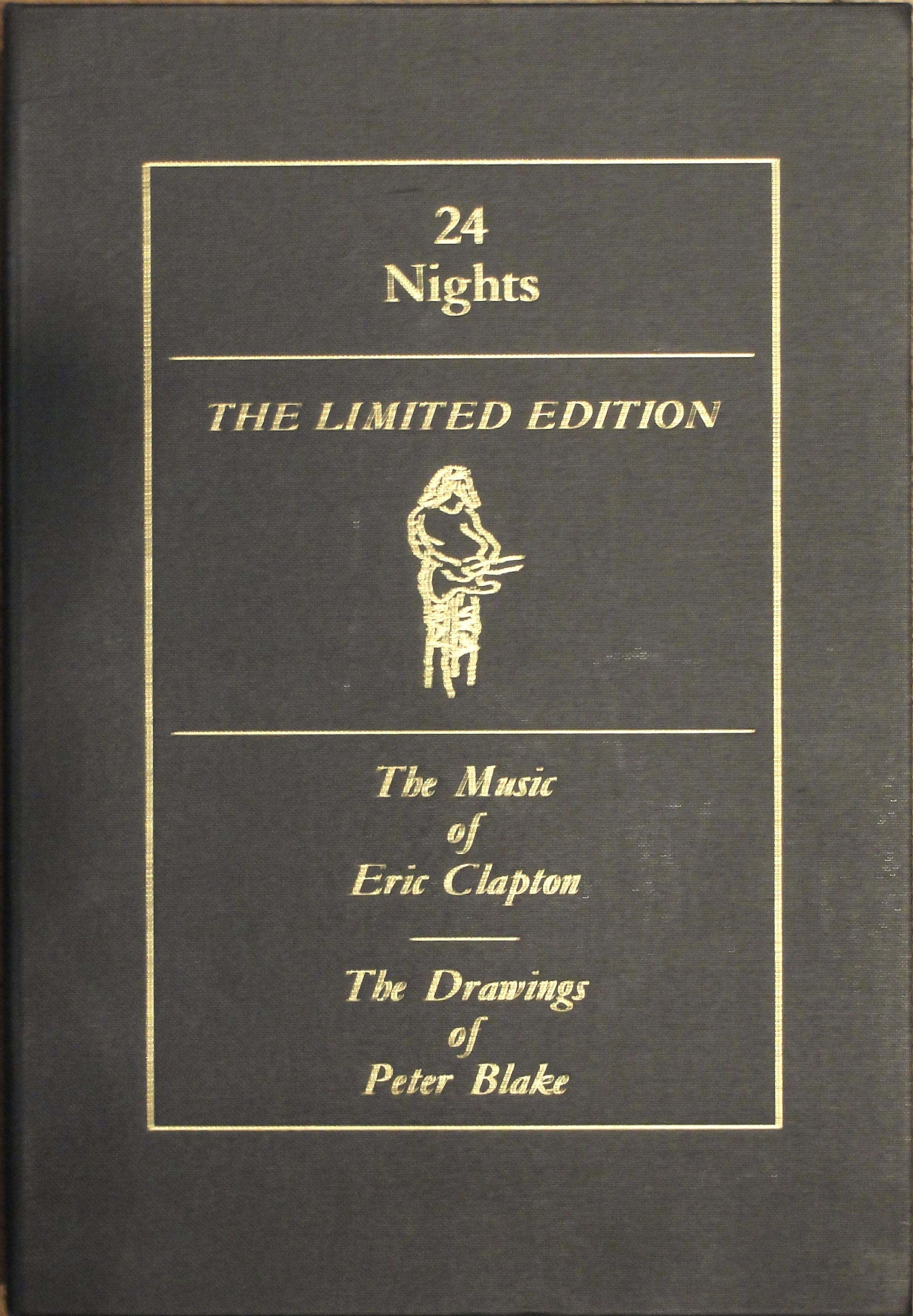
In addition, my collection includes both the Genesis Publications limited edition book sets: Eric Clapton & Peter Blake 24 Nights the Limited Edition and the Brian Wilson — Peter Blake set That Lucky Old Sun that includes twelve Peter Blake prints.
You all know I collect Peter Blake album cover art and I’ve been lucky, over the years, to get many covers signed by Sir Peter. However, as I live in Sweden, it has not been easy to get covers signed.
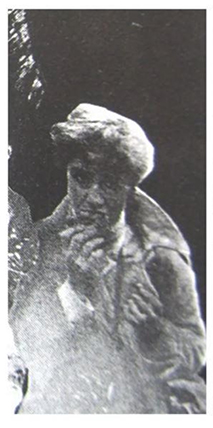
Some time in March 2024, my friend — and Beatles expert — Ken Orth wondered if I cuold help him try to solve a mystery. There is a shadowy figure from the Sgt. Pepper photo shoot that has not been identified and Ken has asked just about everybody, including Jann Haworth, if they could identify the person.
Peter Blake – Mystery figure
The only person Ken hadn’t asked was Peter Blake and so Ken asked mwe if I could pass the picture on to him to see if he knew who the person was. I wondered how this would work and decided to ask Sir Peter to sign some album covers for me and I would enclose the picture of the mystery person in the hope that he mighty remember.
So — at the end of March I assembled a package of six record covers and one CD booklet and printed a large copy of the mystery person. I wrote a long letter asking several questions about the covers and posted the package by registered mail. I received notice that the package had been delivered on April 4th and the waiting started.
One month went by. And then another… And I began to give up hope. I reckoned that I had lost the covers and managed to find replacements. Then, at the beginning of July I received and email from Blake’s gallery saying that Chrissy Blake had delivered a parcel addressed to me for the gallery to forward. I confirmed my address and the gallery sent the package off only for it to be returned after a couple of days as being “undeliverable”. The gallery director emailed my telling me the package was once again at the gallery but for some reason this email didn’t arrive until the 26th July. So I arranged a new shipment where Royal Mail would collect the package and send it registered to me. They tried to collect the parcel on August 1st but the person on the gallery’s front desk didn’t know about the collection, so had to reshedule collection for the following day. That worked and the package was on its way.
It arrived at the Swedish customs on August 12th and I collected it yesterday. In the parcel were my six record covers, on CD booklet and the poster of the Mystery person, now with an inskription by Peter Blake.
So the Mystery person is still a mystery.
Sir Peter had signed all four album covers and the CD booklet but had not commented on my questions.
I would still like to know how The Fall came to use Peter Blake’s Nadia painting on the cover of their promotional EP, and I still wonder where the original painting for the Gershwin cover is now? And how did A Stranger Shadow get their Colours CD cover designed by Peter Blake? The final mystery is why Landscape (or their record company) rejected Peter Blake’s cover for their Manhattan Boogie Woogie album? These mysteries, too, remain unsolved.
I lost my original copy of Blur’s Think Tank poster in 2010 when it got lost after an exhibition of Banksy’s record covers in Stockholm. At last I’ve found a replacement — though it was considerably more expensive than the one I lost. This new acquisition made me review my collection of Think Tank albums, promos and such.
I saw Blur at Hultsfreds Festival in Sweden in 1996 and got a couple of album covers signed. So it was quite logical that I also bought Think Tank on vinyl when it first came out, and I suppose this was the first Banksy designed cover in my collection. I also bought the Observer five-track promo soon after. I soon found the large Think Tank poster to add to the collection.
My collection of Banksy covers started in 2005-6 after I missed seeing a streeet art exhibiiton at which several Banksy prints were on sale. I found most early covers at standard issue prices with only a couple costing more than that — the Laugh Now / Keep It Real twelve-inchers cost £6.99 each back then! My next buys were the Think Tank promo CD with the petrolhead stamp and the promo twelve-inch white label.
Think Tank promo CD and 12-inch vinyl.
In addition to the double vinyl, I bought the ‘limited edition’ CD in the red book cover so I didn’t buy a standard Think Tank CD until the reissue box set with bonus CD and the four prints when it came out in 2012.
ThinkTank 2012 box set.
I had seen that a number of the Think Tank promo CDs had been found without the Petrolhead stamp and a good friend sold me a second copy of the CD with the stamp and one without. I had also read about a version with a pink baby’s hand stamped instead of the Petrolhead figure and when one came up on Ebay I nabbed it! So my collection of promo CDs has grown.
Three promotional CDs for Blur’s Think Tank album.
I wondered why no one had come up with one of these promos with a foot instead of the baby’s hand. So I went to Photoshop and created my own, though I haven’t printed it yet.
I ‘m a sucker and gave in to temptation and bought the reissue Think Tank double LP in 2023.
More recently, I read about the Blur stencil that appeared on adverts for the Think Tank album when it was released and found a nice mint stencil as well as a magazine ad for the album showing the stencil.
I know there are interesting versions of Think Tank available from other countries but I’m limiting my collection to U.K./Europe issues. I wonder what other additions may turn up in future.
Klaus Voormann will be 86 on April 29th, 2024, but he hasn’t retired from record cover design. My current list of Voormann covers has just reached its centenary — 100 covers listed! The list includes magazine and book covers in addition to the 90-odd record covers he has designed.
The latest two to turn up are Wolfgang Bernreuther’s Still a Fool, a CD or a limited edtion double LP, released on 21st April 2023.
Classic Voormann drawing.
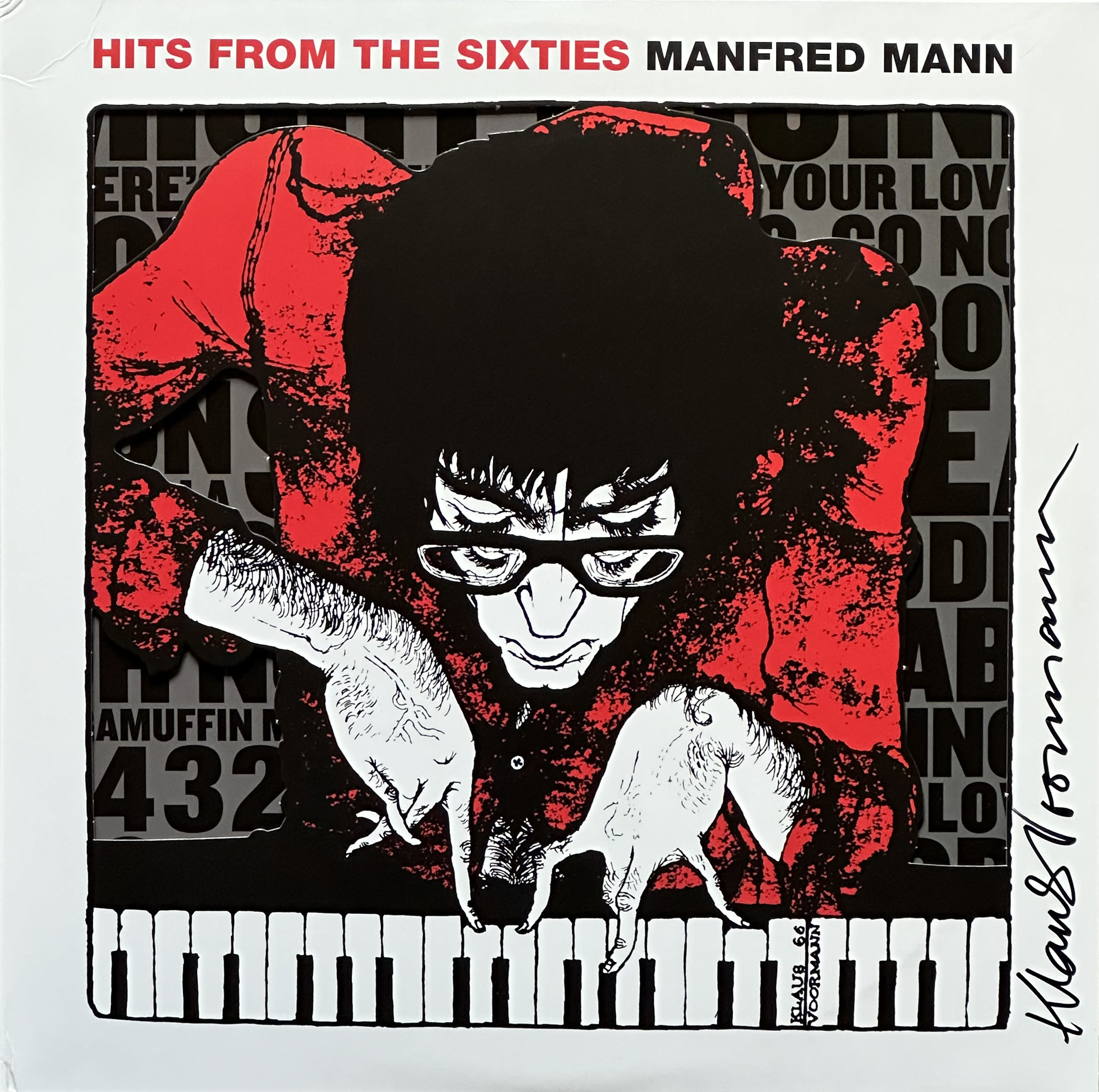
And, as mentioned in my recent post on Voormann’s early covers, the latest Manfred Mann greatest hits package called Hits From the Sixties, was released in April 2024. Thanks to Stefan Thull, a Voormann collector, I was able to get a signed copy to add to my collection.
Klaus drew this portrait of Manfred Mann in 1966 — as written on the piano keys while he was a member of Manfred Mann. He also designed the cover for the Manfred’s 1966 album As Is.
Madonna originally released her 36-track greatest hits album “Celebration” in 2009 as a double CD , BlueRay set and a limited edition 4LP set in a gatefold cover. The vinyl version soon became a collectors’ item with copies selling for up to $850. I imagine that a vinyl reissue to coincide with Madonna’s 2024 world tour must be an irritation for collectors who have the original version. Released on March 1st, 2024, the vinyl reissue is difficult to differentiate from the 2009 original, The covers, with the classic Mr. Brainwash portrait of Madonna, appear identical.
The original 2009 sticker on the left, compared with the re-issue sticker on the right.
But once the shrink wrap had been removed together with the sticker collectors will have to look at the record’s spine to be able to decide which version they have .
The original release is on the Warner Bros. label while the reissue is credited to Warner Music, or just plain “Warner” on the spine, and the catalogue number is given both with the spine number and the full barcode number on the reissue.
It’s impossible to tell if the reissue will also become a collectors’ item as I haven’t been able to find out if it is a limited edtion. I popped into one of Stockholm’s biggest record shops yesterday (8th June, 2024) and they didn’t have a copy, so perhaps it is fairly limited. Anyway, I’ll keep both my versions. But there is a limited edition od the reissue — 500 copies include a lithograph of Mr. Brainwash’s cover portrait of Madonna.
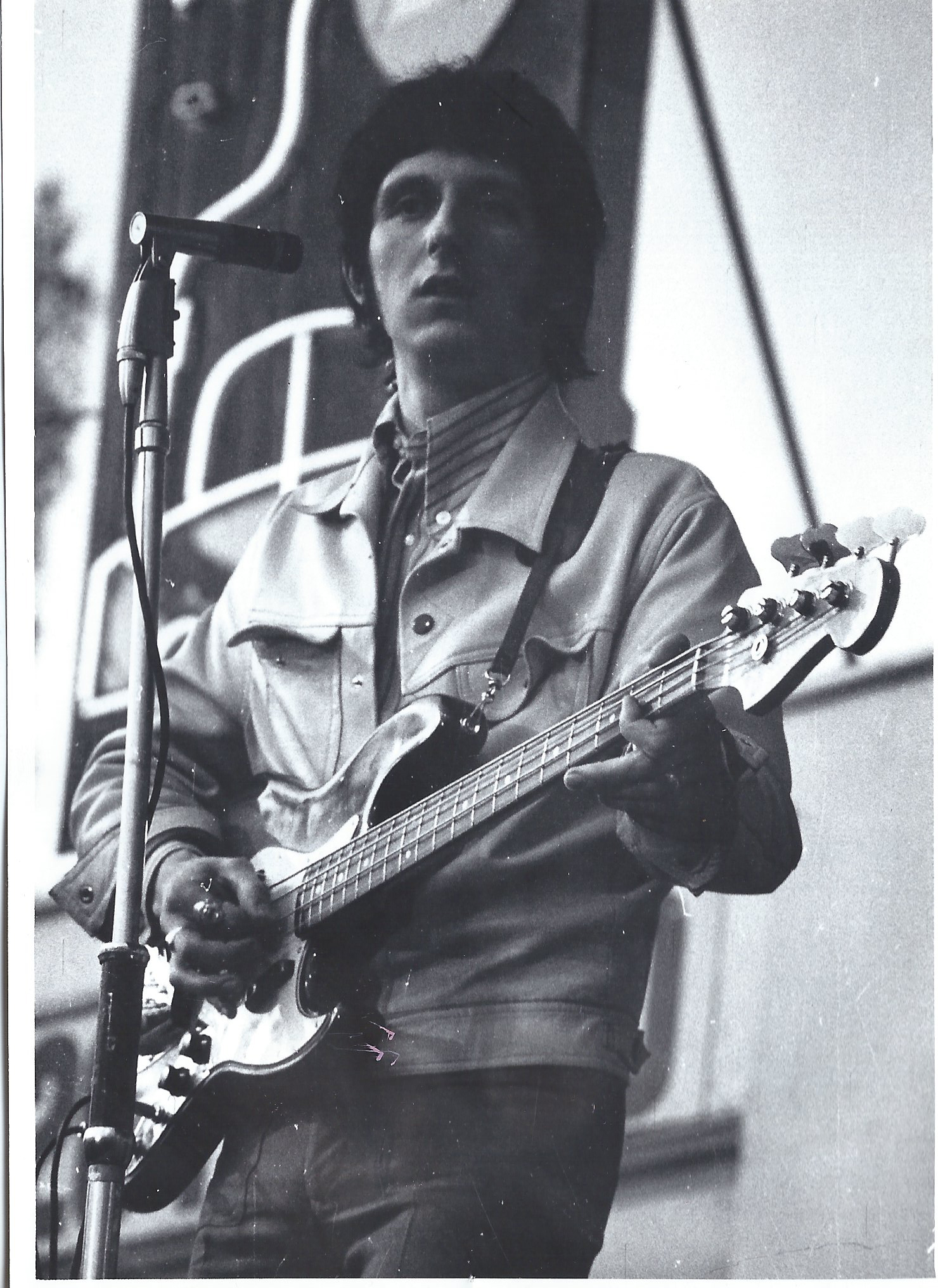
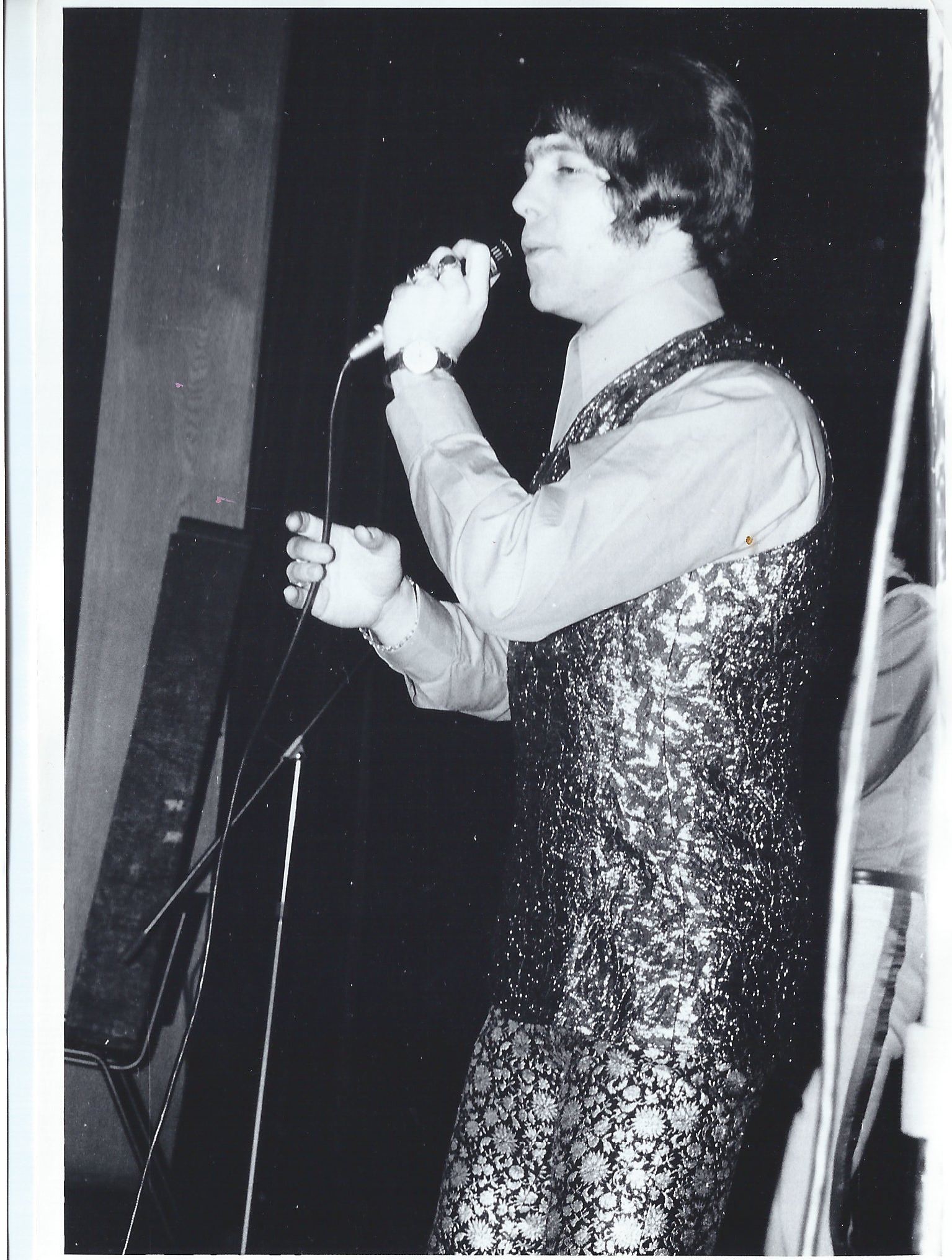
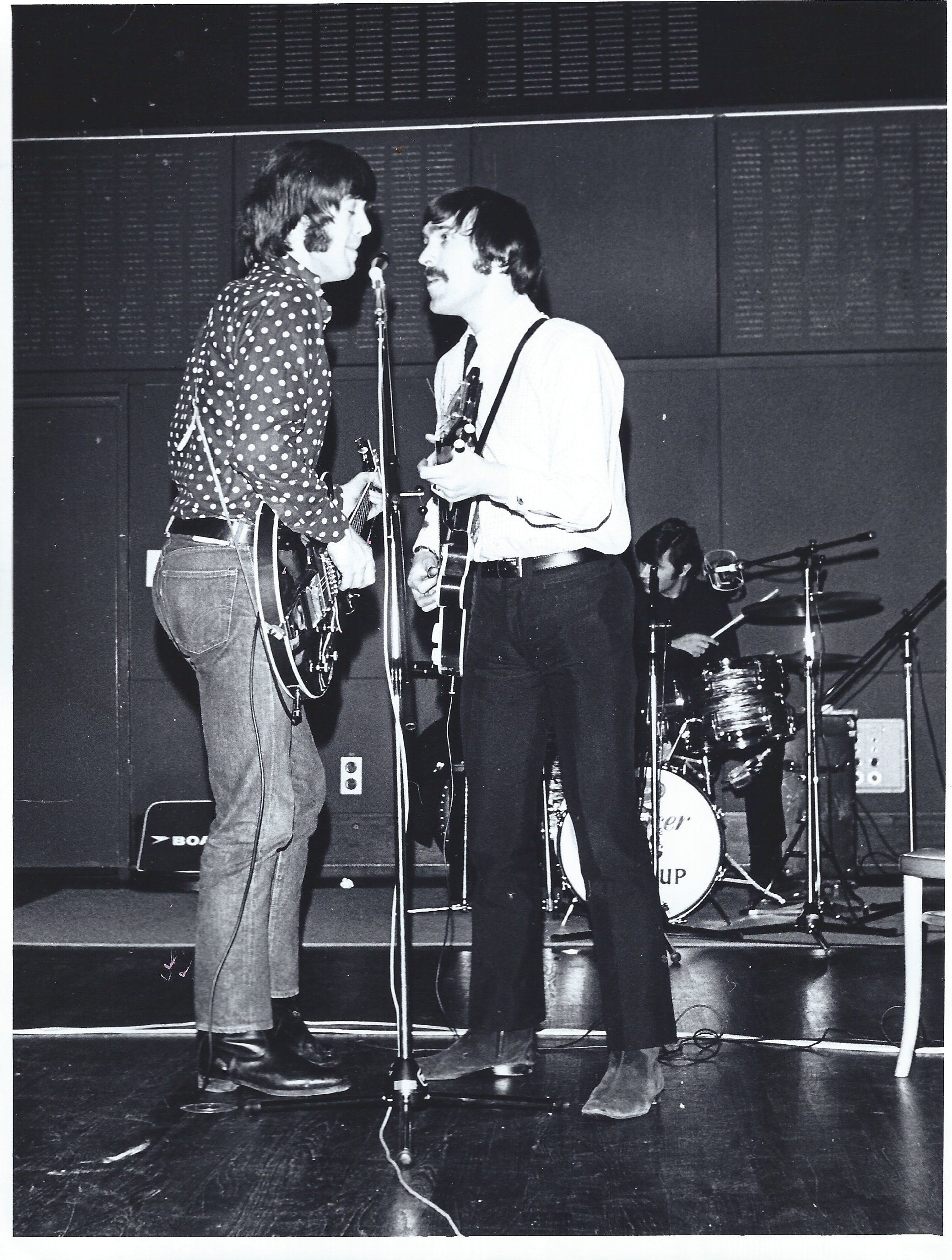
I’ve been rummaging around in one of my cupboards and found a photo album that’s been lying their for more than ten years. The album contains about twenty photos of rock acts thast visited Stockholm, Sweden, in 1966 and 1967 taken by my friend and colleague Sten Sundberg and a mate of his whom he would not name. Sten gave me these photos some twenty plus years ago together with a paper bearing the autographs of the Jimi Hendrix Experience.
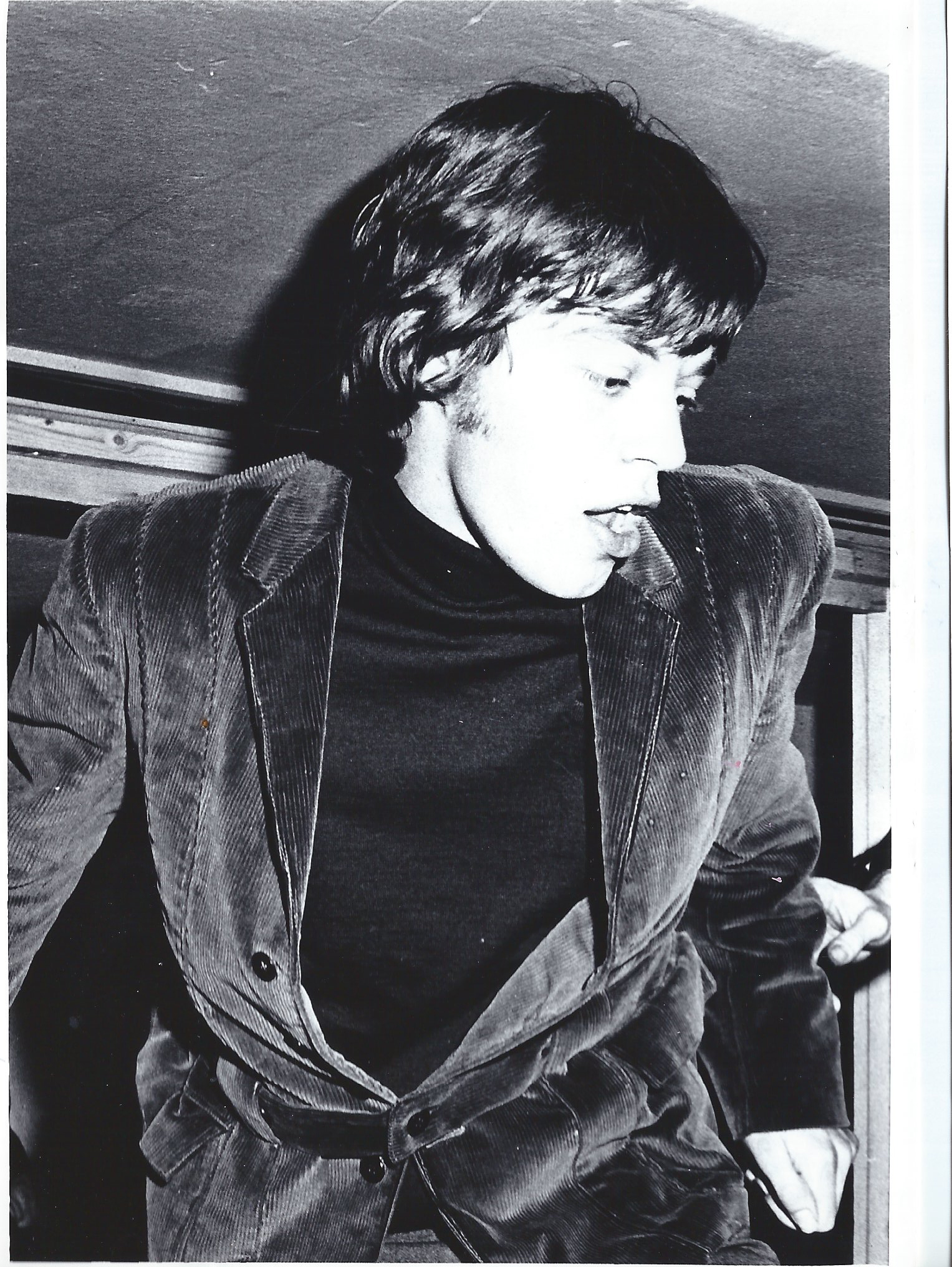
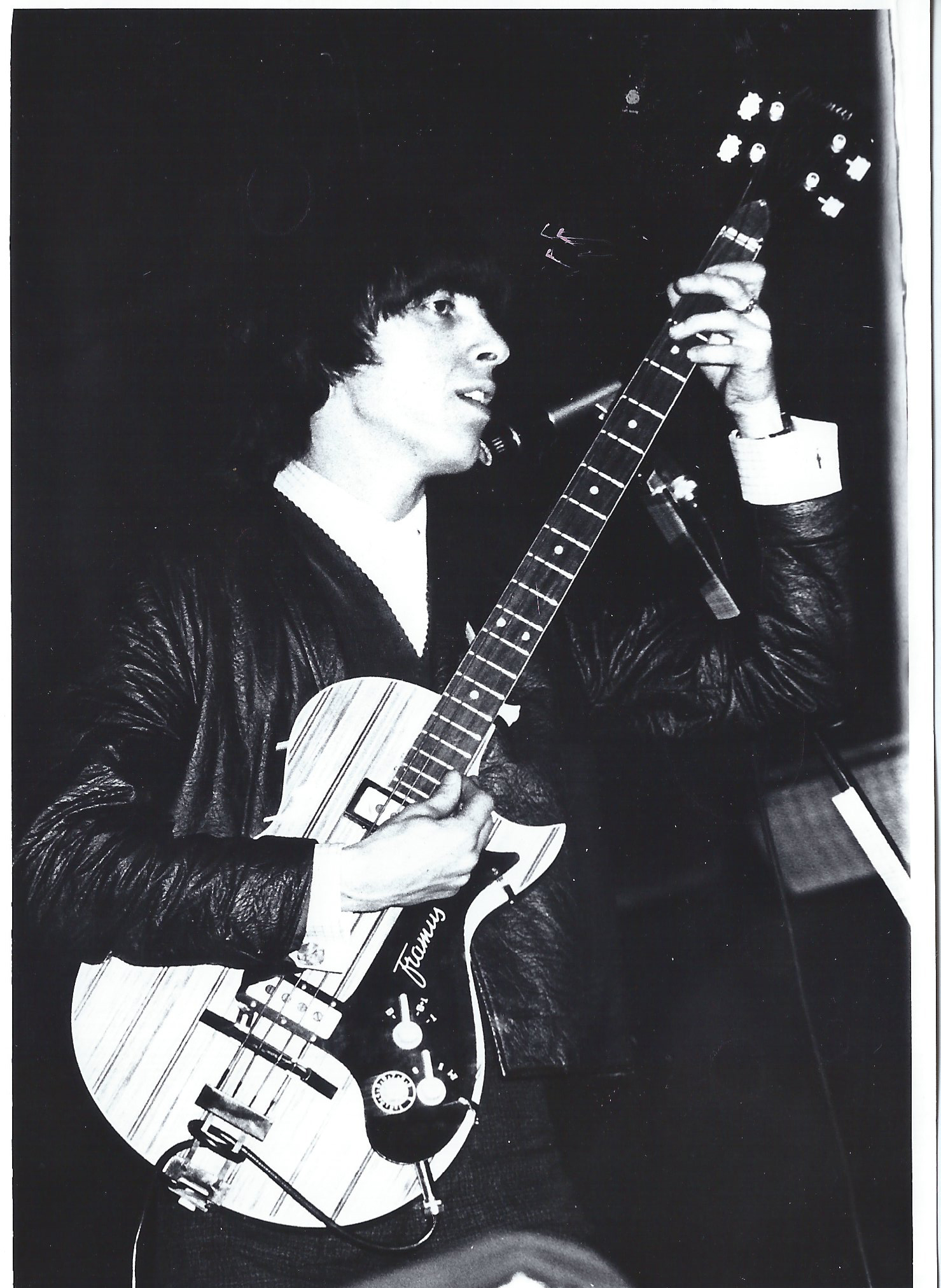
What I’ve found going through these pictures are some fascinating, but rather amateurish, pictures of some of rock music greats. There’s Otis Redding on stage at Stockholm’s Konserthus in June 1967, together with Donald “Duck” Dunn and Steve Cropper. There’s a nice profile portrait of Manfred Mann and another of the Manfred’s singer Paul Jones from a consert at Stockholm’s Nalen on 29th December 1966, Mick Jagger wearing a velvet jacket and holding his maraccas and Charlie Watts at his drums from one of the two shows at Kungliga Tennishallen on April 3rd 1966. Then there’s The Who’s Keith Moon bashing away and John Entwistle playing bass also from the Kungliga Tennishallen but on May 6th 1967.
Sten managed to follow the Spencer Davis Group around after their concert at Gröna Lund in February 1967 and even followed them to Arlanda Airport to see then fly back to England.
The Jimi Hendrix Experience played many gigs in Sweden. Sten and his mate were at Gröna Lund on May 24th 1967 when the Experience played there and managed to get on the tour bus with the band as they were whisked awat to Swedish Radio for a late night recording. Once there, they had to wait for the studion to be ready and they sat in reception and drank a bottle of Johnny Walker whisky. The band signed the back of one of Swedish Radio’s studio play sheets for Sten.
Otis Redding, Duck Dunn & Steve Cropper on Stage in Stockholm.
Three Rolling Stones in Stockholm on 3rd April 1966.
One half of The Who at Kungliga Tennishallen, 1967.
Manfred Mann and Paul Jones, Nalen, December 1966.














































 recordart