Try to imagine a shy twenry-year-old, who is conviced he is ugly (his nose is bulbous and his hair is already thinning) who leaves art college in his home town of Pittsburgh and, in the summer of 1949, moves to New York to seek his fortune. Andy Warhola is determined to find work and hawks his portfolio to the offices of glossy magazines and record companies.
He goes to the offices of Columbia Rrecords, who the previous August, had begun reieasng long playing records and was in the process of reissuing many of their best selling classical albums previously available as 78 rpm sets in the new medium that allowed a whole symphony to fit on one side of a twelve-inch LP.
In 1938, the company hired a 21-year-old Alex Steinweiss as its art director. Steinweiss felt that the company’s record albums with their plain covers were dull and suggested adding pictures to the covers. His superiors were sceptical, but allowed him to make a few trial cover. These were successful, increasing sales. Steinweiss first cover was for an album of Smash Hits by Rodgers and Hart.

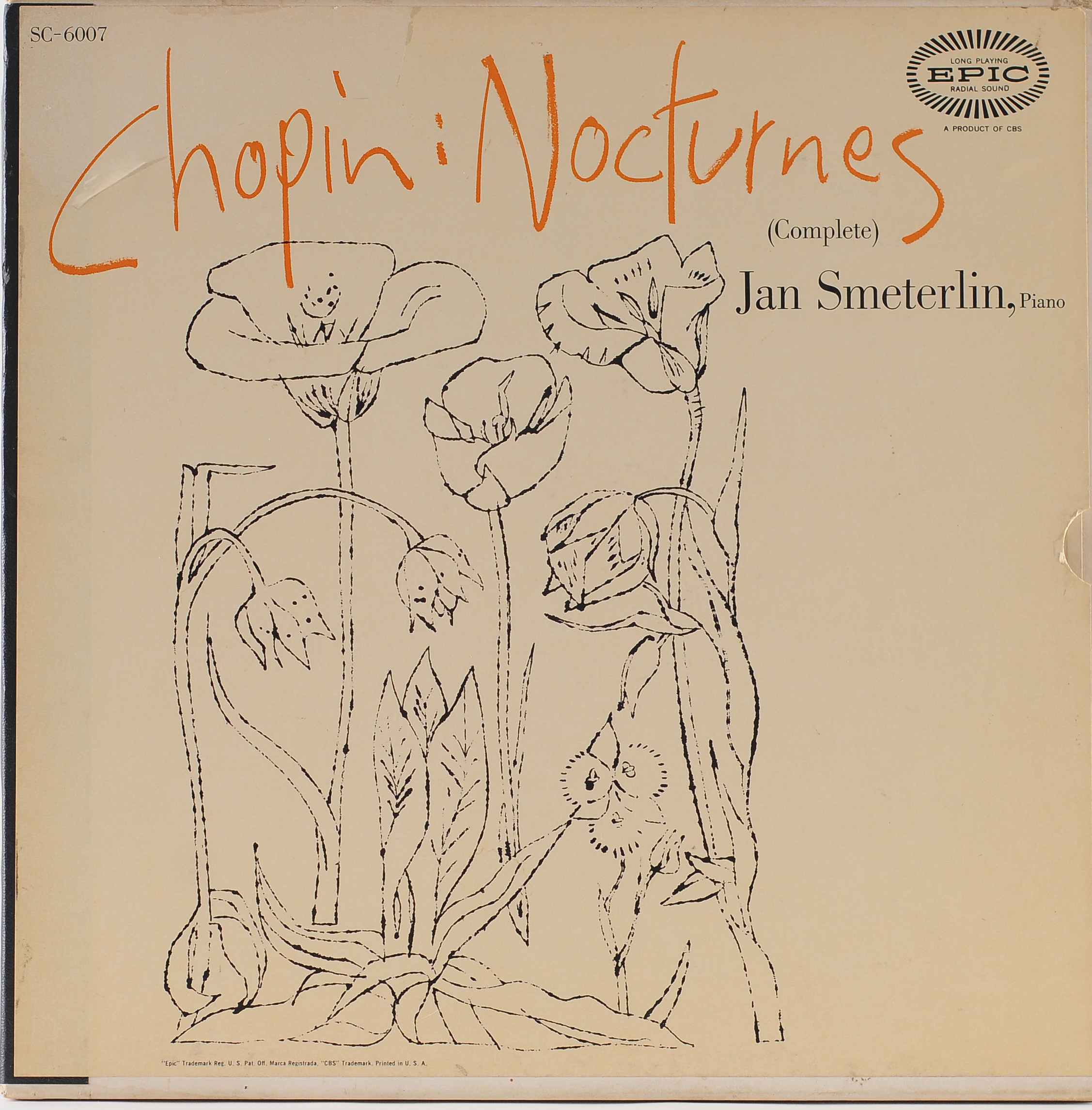
The young Warhol was commissioned to illustrate two covers.


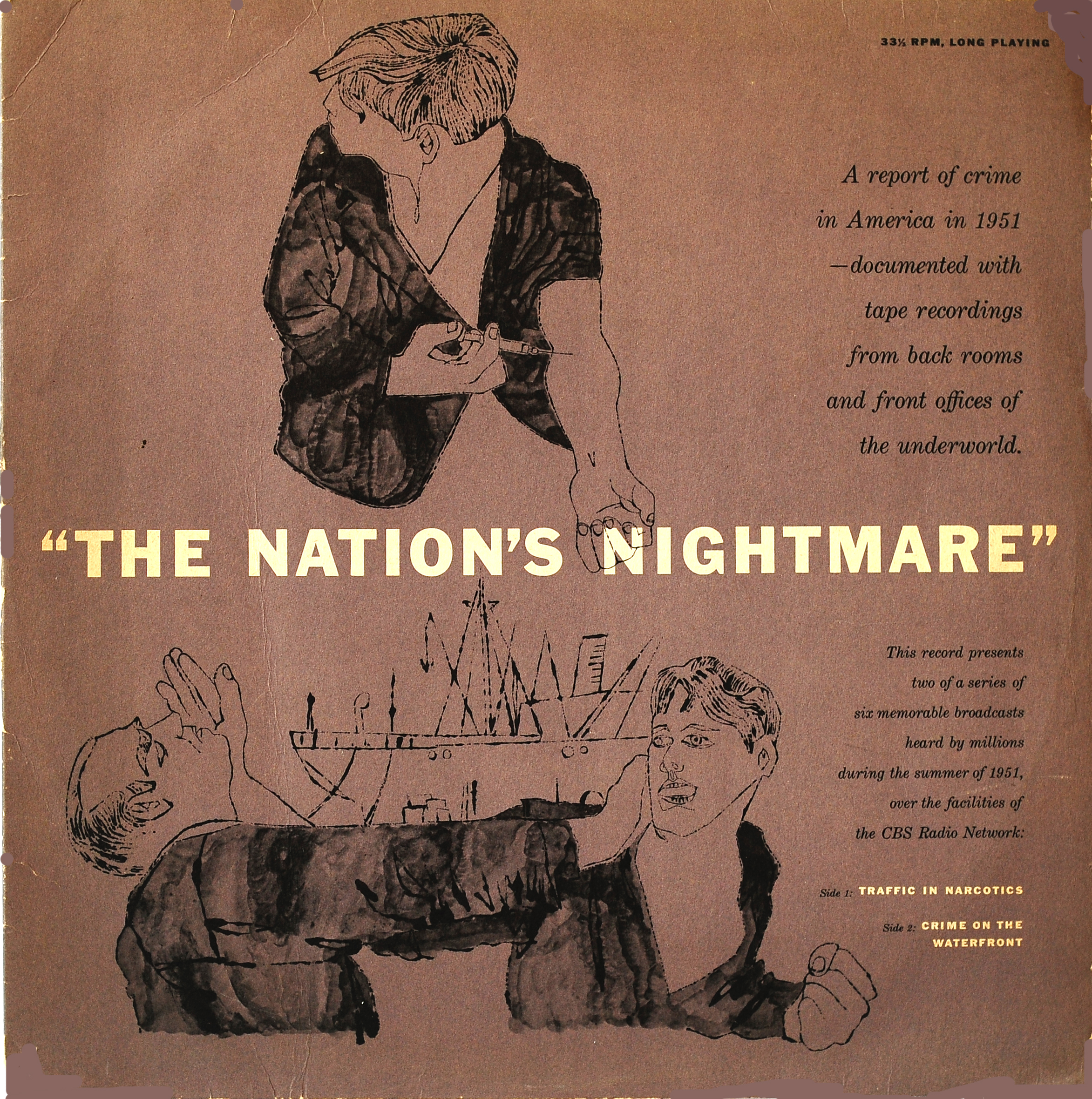
In 1951, Warhol was commissioned to illustrate a newspaper advertisement for radio programmes called The Nation’s Nightmare and Crime on the Waterfront to be broadcast by CBS Radio that autumn. CBS decied to release the programmes the following year on an LP.

Warhol won his first design award for the designs.
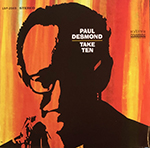
In the fifties, Warhol cooperated with Reid Miles, the legendary art director at Blue Note and Prestige Records, producing a numner of classic jazz covers. He also continued to get commissions from Columbia Records subsidiaries and designed several classical covers.

Other Pop artists would later design record covers: Robert Rauchenberg designed the limited edition cover for Talking Heads’ Speaking in Tongues (1983), Robert Indiana’s LOVE image appeared on a recording of Messiaen’s Turangalila Symphony and Ed Ruscha, who has become Paul McCartney’s buddy, has designed several covers for the ex-Beatle as well as the cover for the Beatles’ last single Now and Then.

And England’s Pop artists were also designing record covers. Peter Blake together with his wife at the time, Jann Haworth came up with the famous cover for the Beatles’ Sgt. Pepper’s Lonely Hearts Club Band album and Blake has continued to design record covers — now over forty! Richard Hamilton was invited to design the Beatles next full album The Beatles (the white album) and chose a minimalitic cover to contrast with the Sgt. Pepper design.
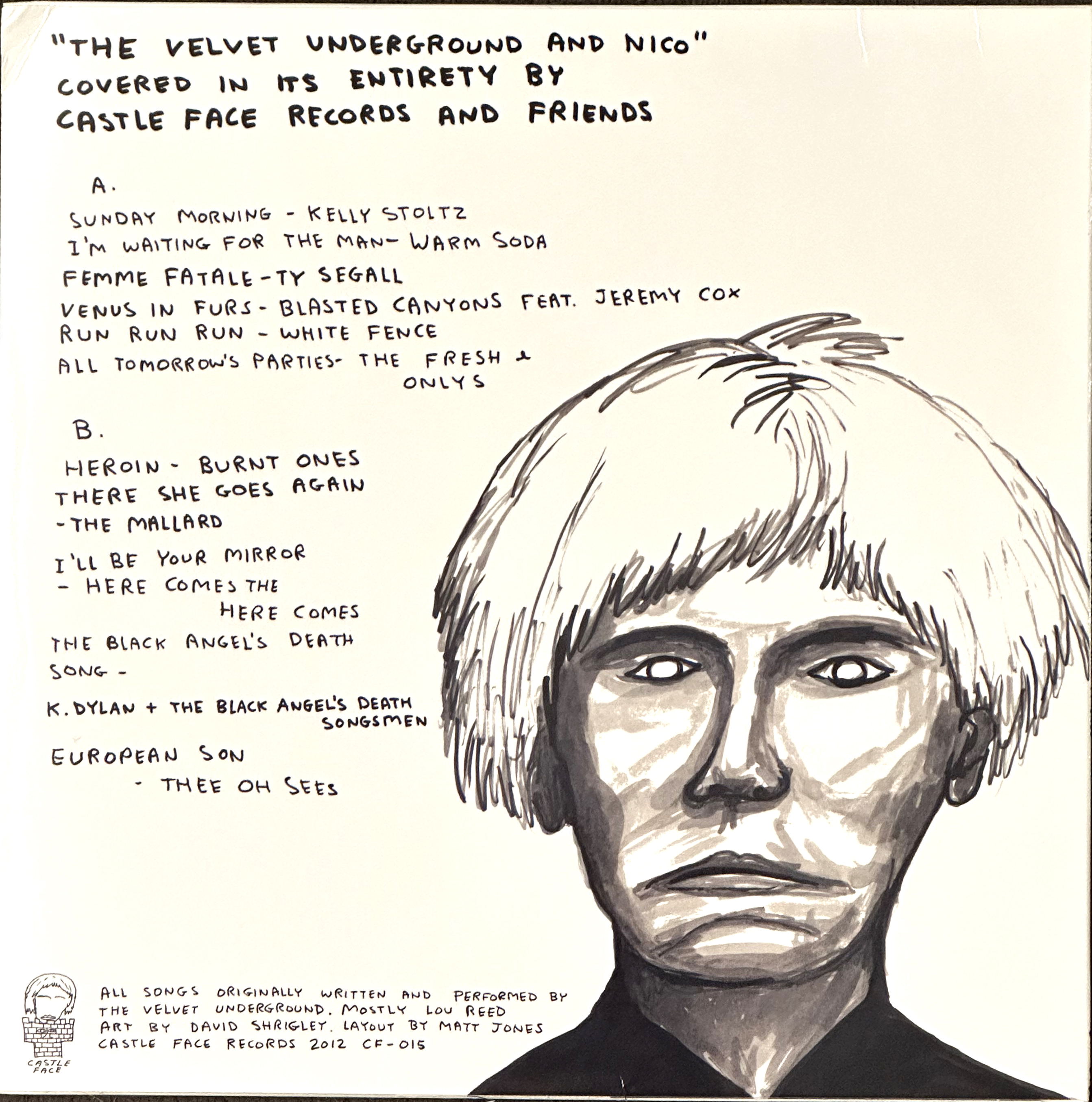
Other British artists who have designed record covers include Damien Hirst, David Shrigley, Tracy Emin as well as design groups such as Hipgnosis.
Andy Warhol, announced in 1965 that he was giving up painting to concentrated on his other projects — film and the Exploding Plastic Inevitable, featuring the Velvet Underground and performances and dancers including Gerard Malanga, who would assist Warhol in his printmaking. He took the Velvet Underground to Norman Dolph’s Scepter Studio in New York to record the band’s first album. Warhol insisting that Nico, a German singer, sing on three songs. Warhol offered the record to Columbia Records, who turned it down, suggesting it needed beter production and Warhol let Tom Wilson re-record the album, which Warhol then offered to Verve Records who released it in March 1967. Warhol designed the Banana cover and the front cover just had the banana (with ‘peel me and see’ beside the neck) and Andy Warhol’s name at the bottom.

Warhol was a “mover and shaker” in 60s and 70s New York travelling to parties and discos always with an entourage of beautiful people. He loved being with celbrities. He met Mick Jagger who asjed him to design the cover for the forst Rolling Stones album to be released on the Stones’ own label. Warhol came up with the zip cover for Sticky Fingers (released April 1971).

There has been a debate about whose jeans Warhol photographed for the Stocky Fingers cover. It wasn’t Joe d’Allesandro, as many have suggesteds. It may have been Warhol’s parrtner Jed Johnson’s twin brother Jay who was the model.
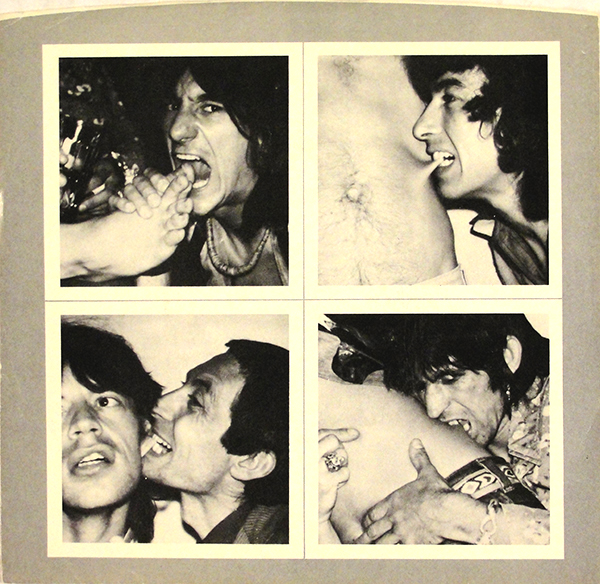
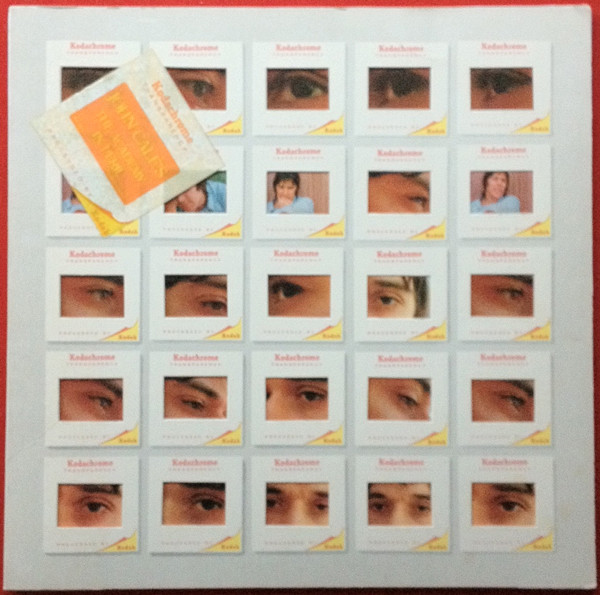
Warhol was also asked to design the cover for the Stones’ Love You Live album. He had invited the band to hs Long Island home at Montauk wherer he photographed them biting themselves or each other. He selected a picture of Mick Jagger biting his daughter Jade’s hand for the cover. Warhol dis not want any writing on the cover but Mick Jagger added the band name and the record title, which annoyed Warhol. He would normally sign anything he was asked to sign but refused to sign the front cover of the Love You Live album, usually choosing instead to sign the inner spread.

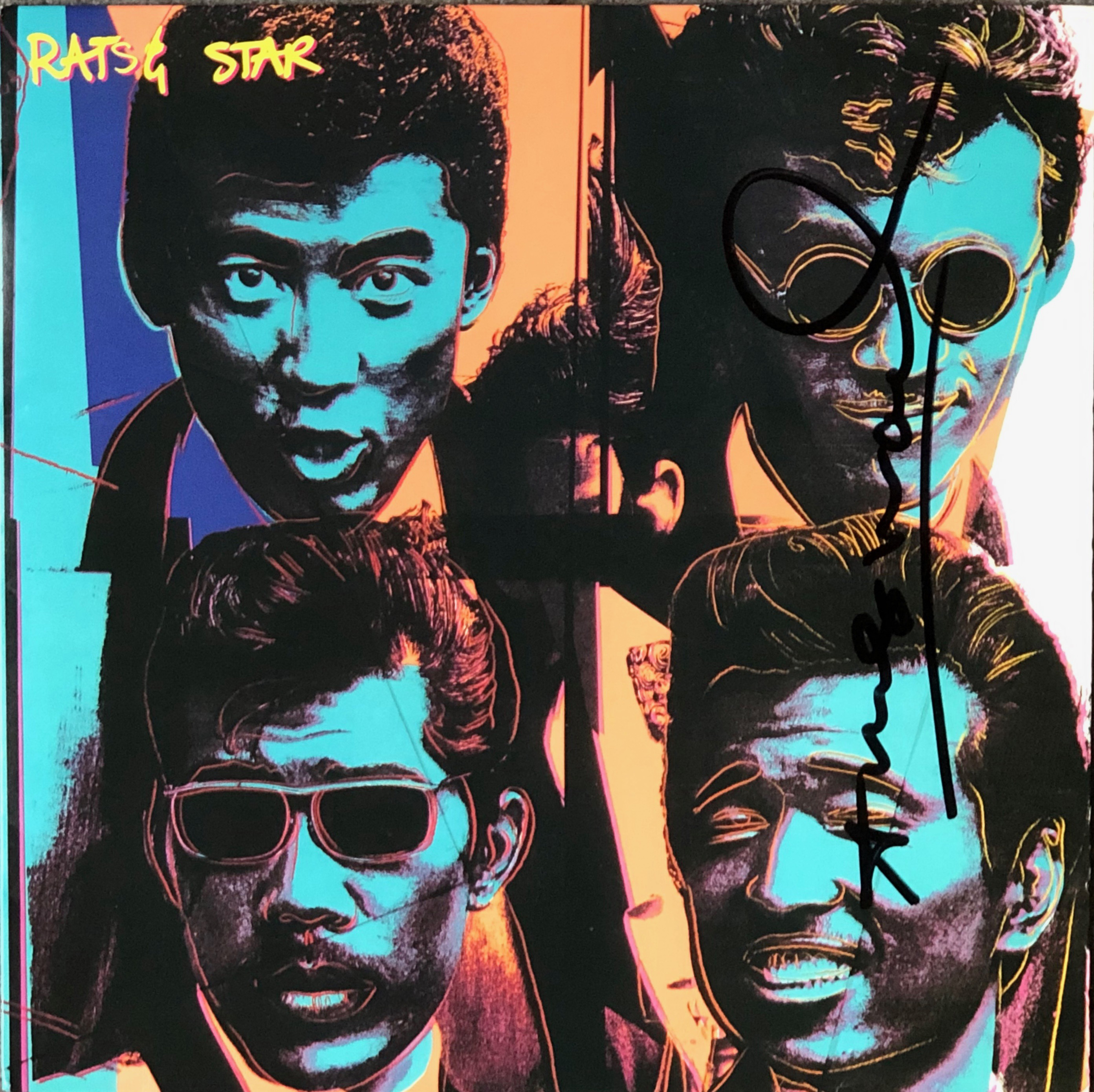
Later Warhol began a cooperation with Jean-Michel Basquiat, a New York street artist turned fine artist. Basquiat would only outlive Warhol by little over a year, dying in 1968 of a drug overdose, but nor before he had managed to produce a few record covers.

That brings me to other street artists, including the enigmatic artist who calls himself Banksy. Banksy started as a street artist in his native Bristol in the late 90s and produced designs for record covers from then. His first major albel design was for Blur’s Think Tank album in 2003.

Bansky’s art has appeared on over two hundred records and CDs, the majority unofficially.
Other street artists have designed record covers. Mr. Brainwash designed Madonna’s Celebration compilation from 2009.

Hellstrom, a Swedish street artitst, designed a limited edition cover (40 copies) for his namesake Håkan Hellström’s Illusioner album (2019) with a silkscreened portrait of the artist.

Other Swedish designers and artists have designed interesting ecord covers. Martin Kann has designed the covers for bob hund’s records and CDs and — as far as I know — produced on the second cover to give the cover designer’s name on the front of a release: Omslag Martin Kann by bob hund.

The Swedish designer who has sold the most ercords in Swedden is probably Helen Sköld, who has desgne dthe covers for kent, Sweden’s biggest band since ABBA.
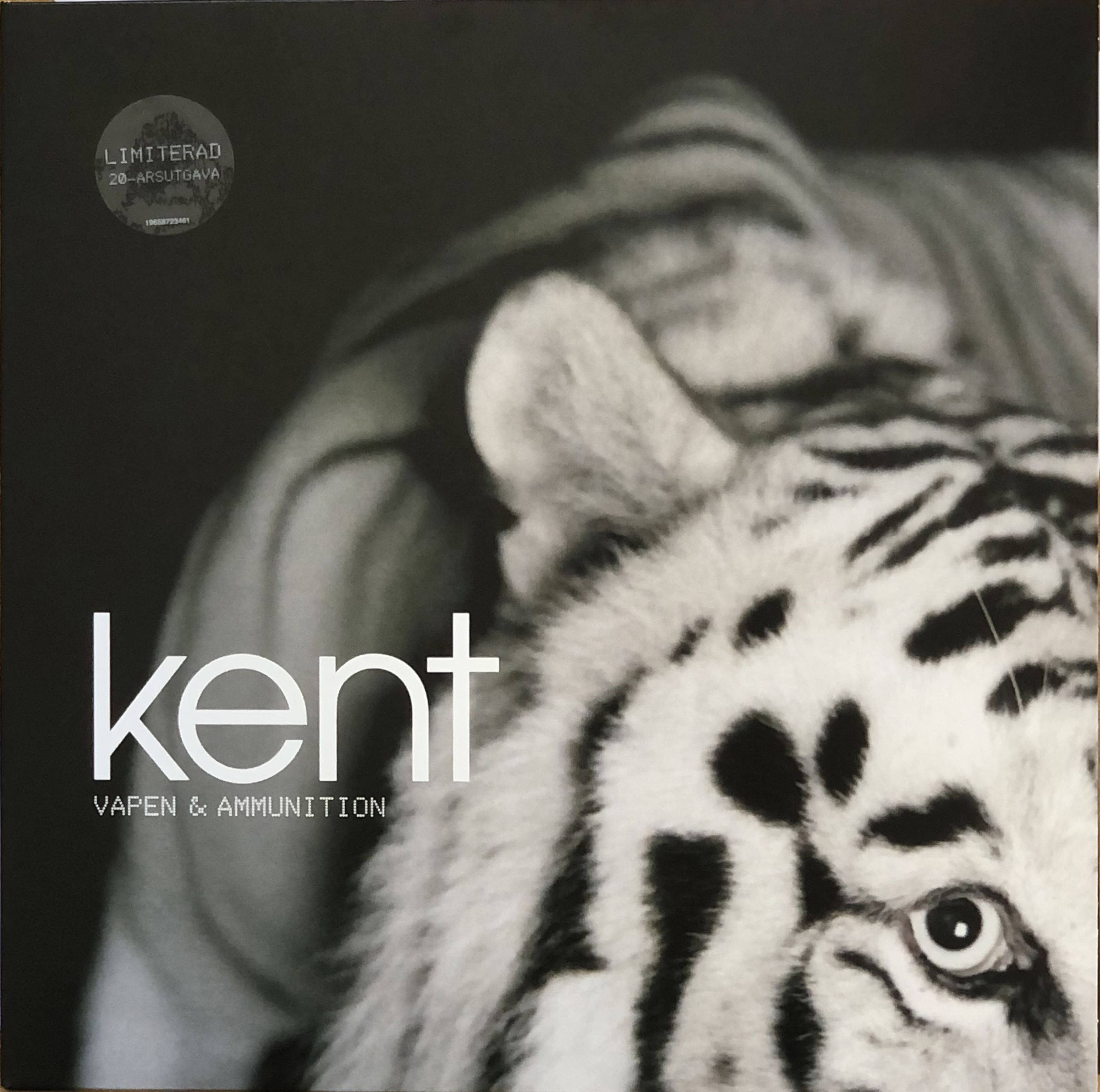
Karin Mamma Andersson is a Swedish artist who has made an international career. She has designed covers for the alternative poet and songwriterr Mattias Alkberg as well as providing paintings for three of Beck’s releases.

Cundy Sherman is another worrld renowned photographer who has used her photos on record covers. The latest is for her friend Jenni Muldaur’s (daughter of singer Maria Muldaur) and Teddy Thompson’s (son of Richard Thompson) Teddy & Jenni do George & Tammy EP.

There are other ways of collecting record cover art. Anyone remember bubble gum packaged in small copies of record covers? They are quite collectable. As we are at Spritmuseum, hoem of the Absolut Art Collection, I wold also mention the Absolut Cover adverts that use Bowie’s Aladin Sane image, Miles Davis’s Bitches Brew cover image and others in adverts.
Just recently, I discovered an invitation to an exhibition of the Absolut Vodka record cover adverts in New York in the form of a seven-inch single.

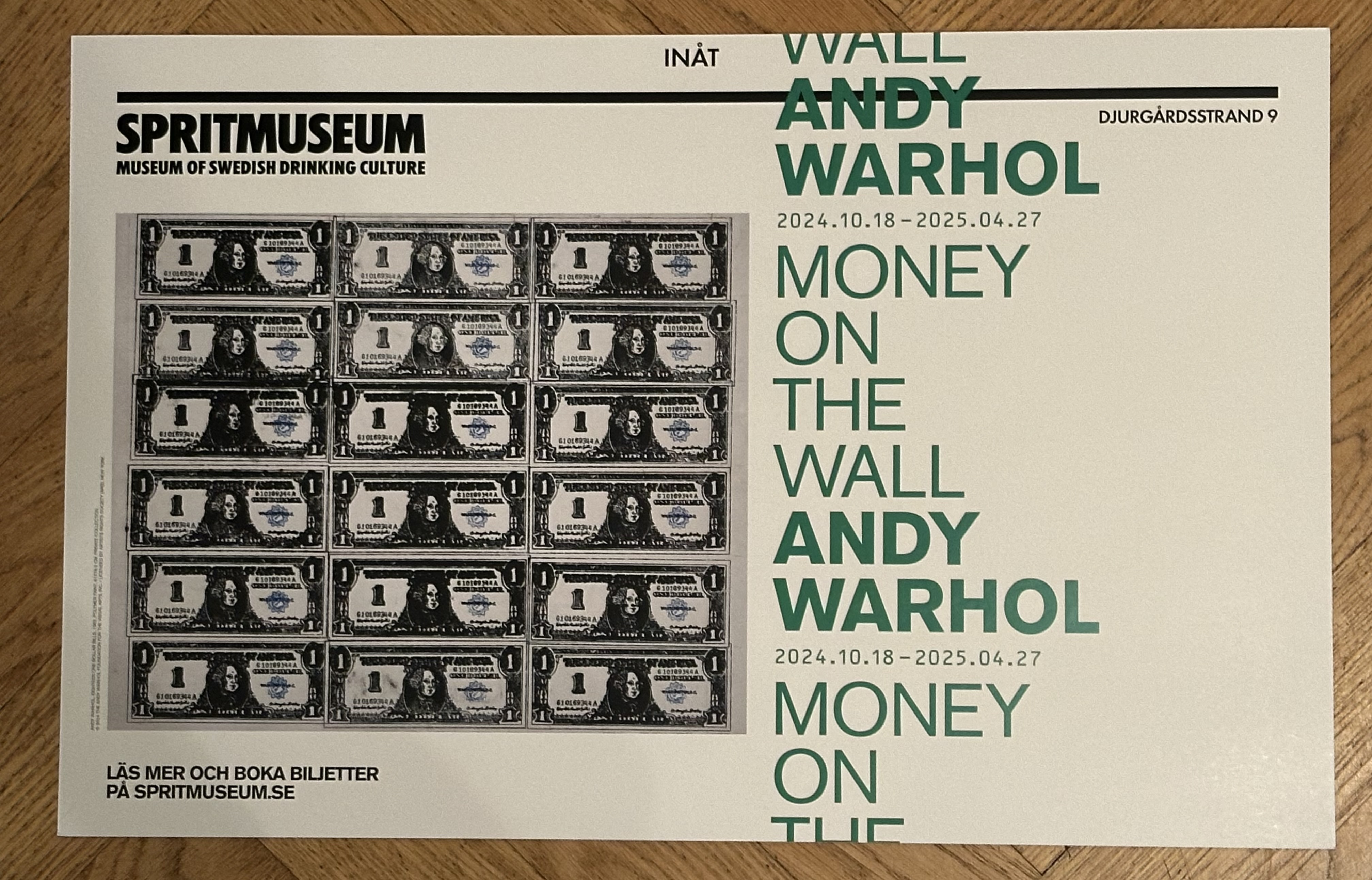
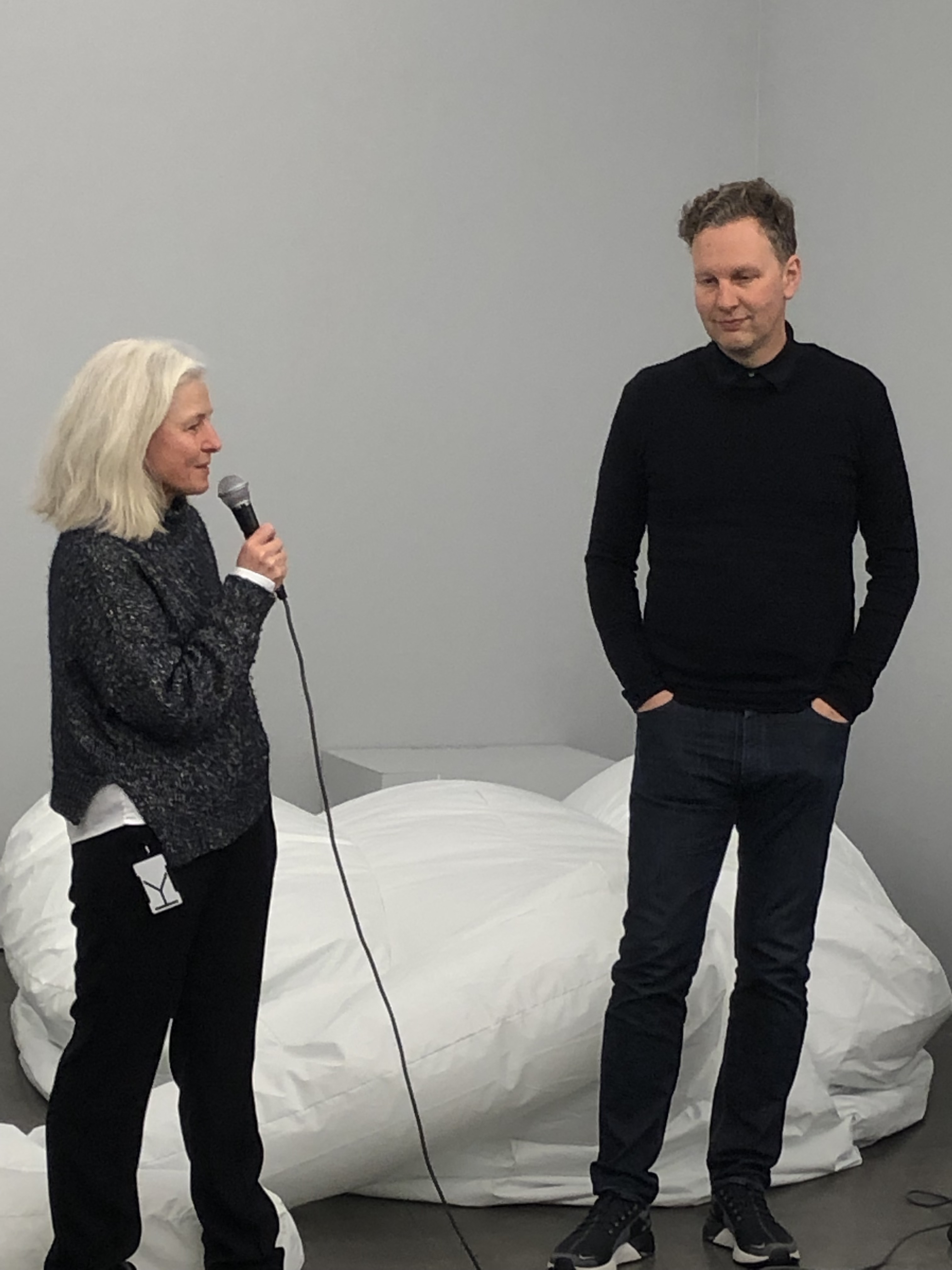
This article is a somewhat expanded version of a lecture given in Swedish on Sunday January 26th 2025 at Spritmuseum, Stockholm, as part of the Money on the Wall– Andy Warhol Exhibition that runs until September 14th 2025.

















 recordart