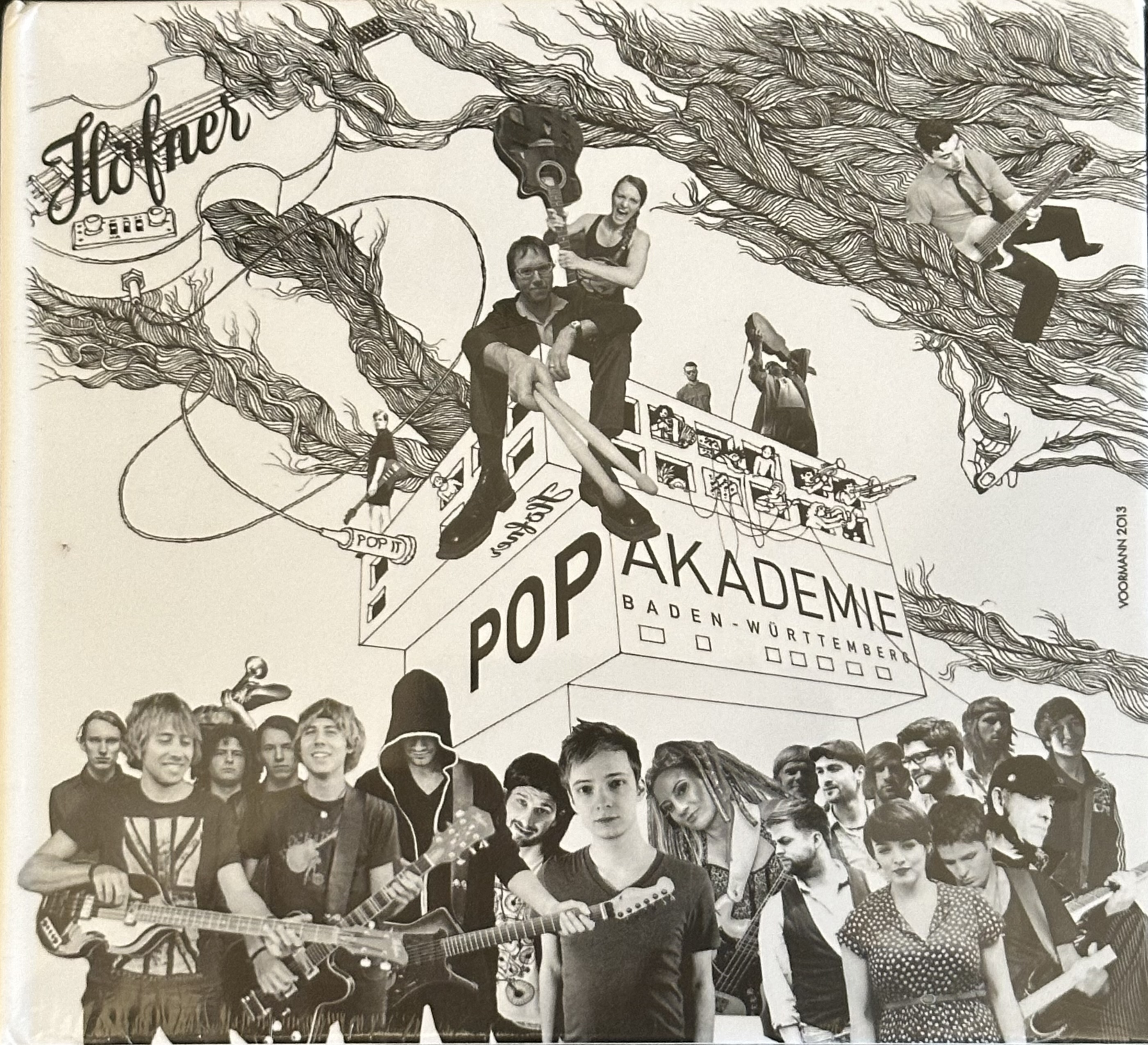
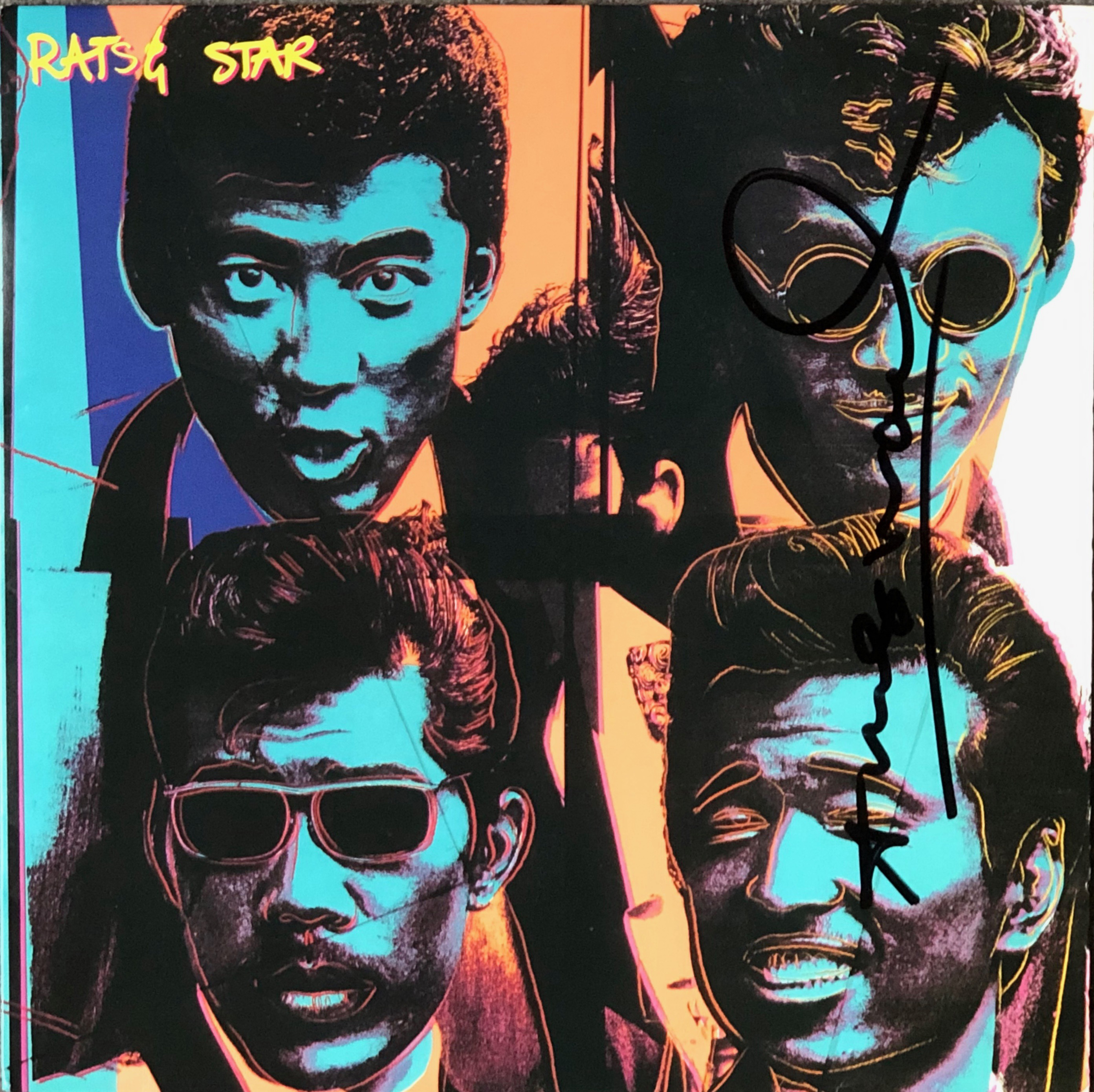
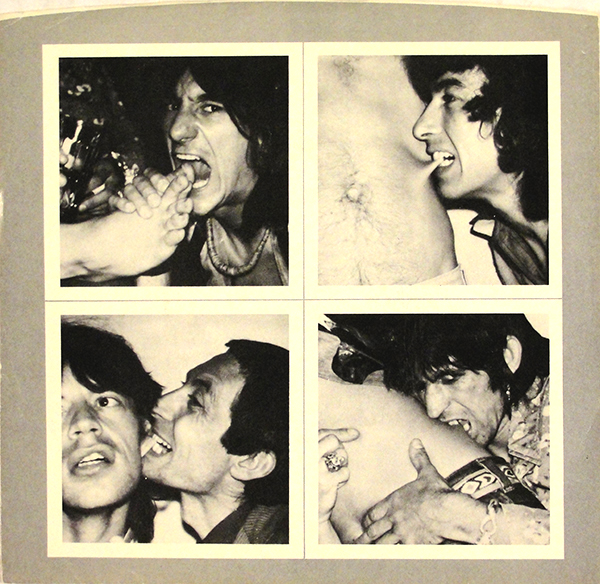
Klaus Voormann will be 86 on April 29th, 2024, but he hasn’t retired from record cover design. My current list of Voormann covers has just reached its centenary — 100 covers listed! The list includes magazine and book covers in addition to the 90-odd record covers he has designed.
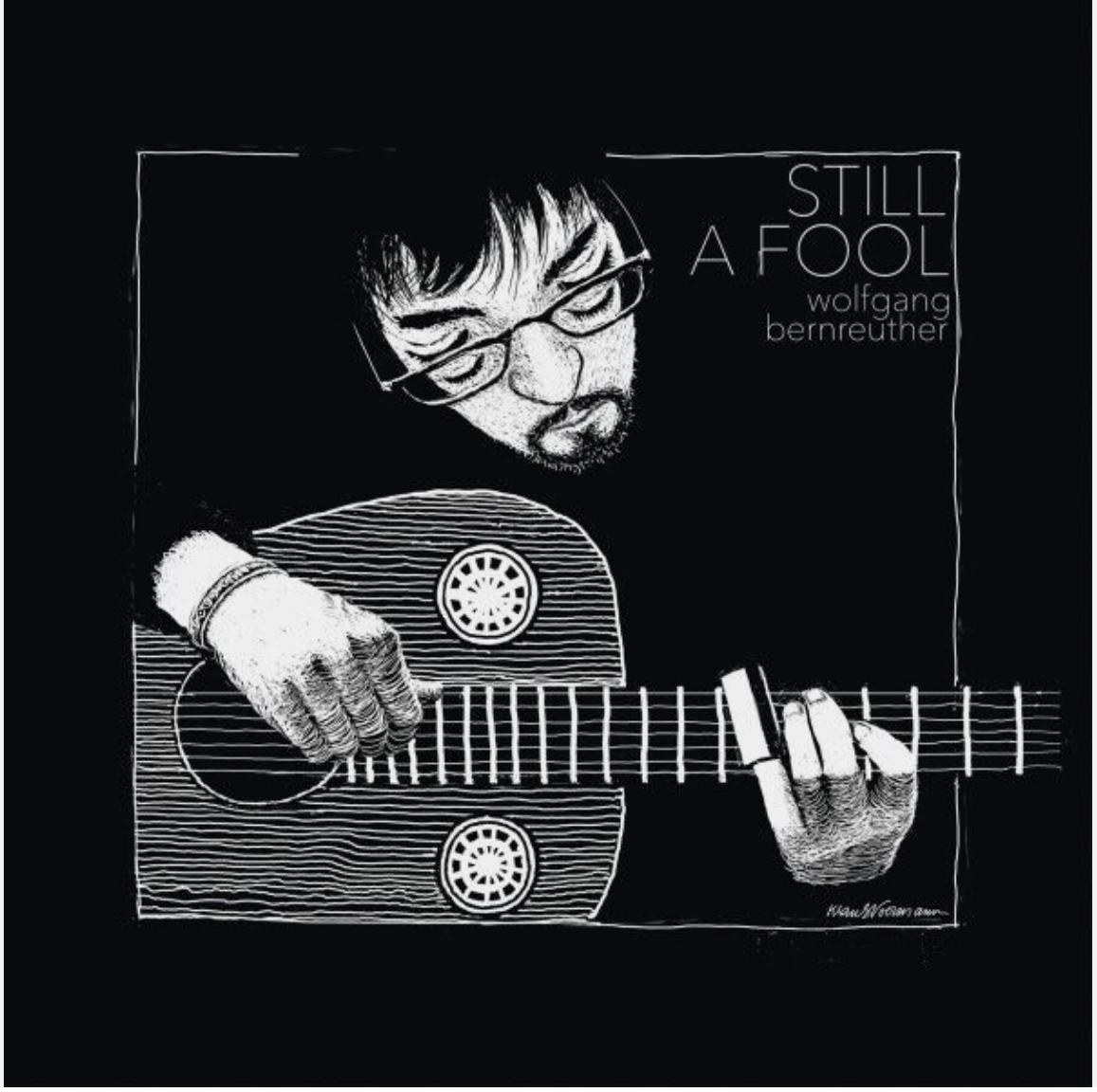
The latest two to turn up are Wolfgang Bernreuther’s Still a Fool, a CD or a limited edtion double LP, released on 21st April 2023.
Classic Voormann drawing.
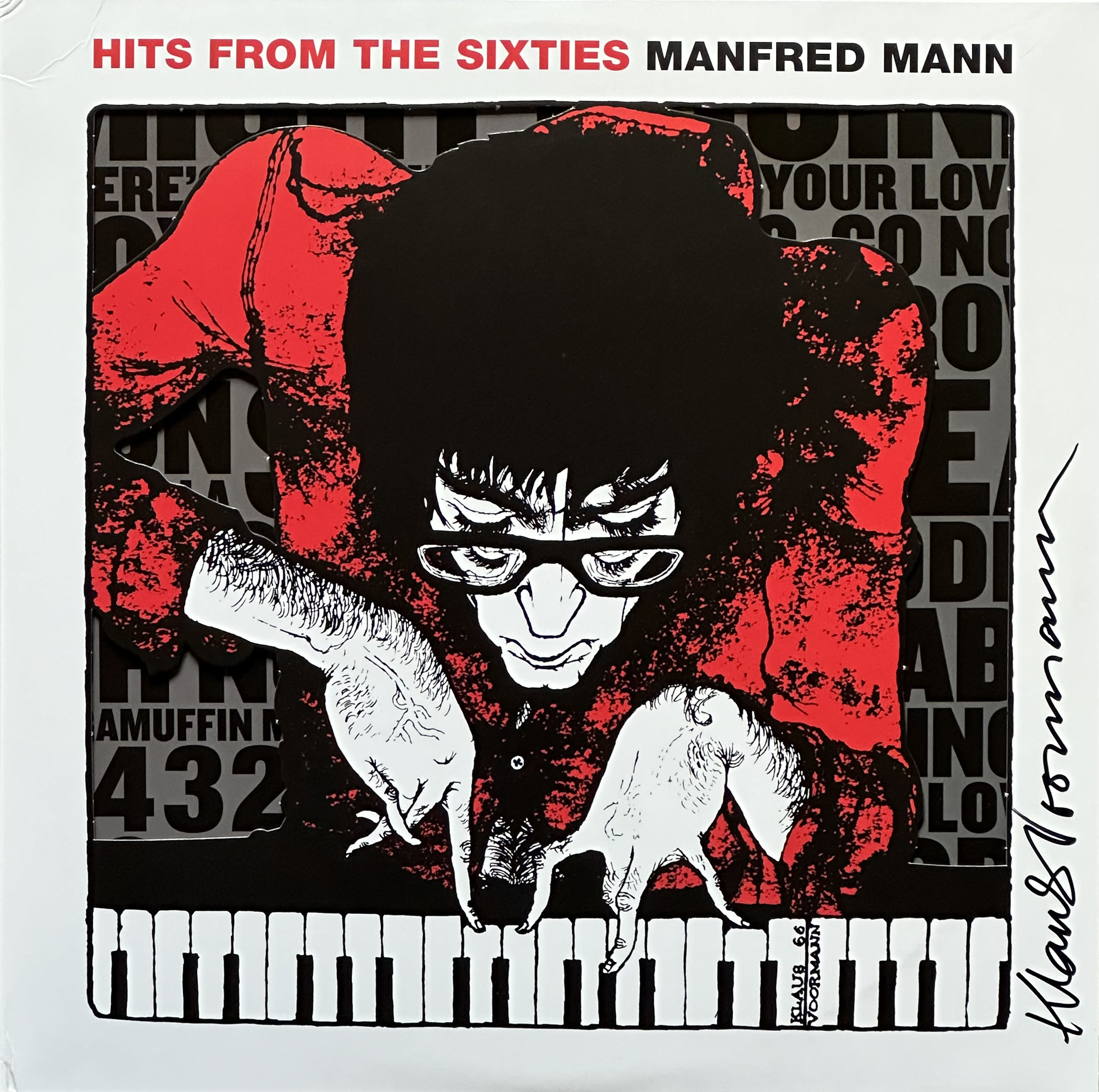
And, as mentioned in my recent post on Voormann’s early covers, the latest Manfred Mann greatest hits package called Hits From the Sixties, was released in April 2024. Thanks to Stefan Thull, a Voormann collector, I was able to get a signed copy to add to my collection.
Klaus drew this portrait of Manfred Mann in 1966 — as written on the piano keys while he was a member of Manfred Mann. He also designed the cover for the Manfred’s 1966 album As Is.
Madonna originally released her 36-track greatest hits album “Celebration” in 2009 as a double CD , BlueRay set and a limited edition 4LP set in a gatefold cover. The vinyl version soon became a collectors’ item with copies selling for up to $850. I imagine that a vinyl reissue to coincide with Madonna’s 2024 world tour must be an irritation for collectors who have the original version. Released on March 1st, 2024, the vinyl reissue is difficult to differentiate from the 2009 original, The covers, with the classic Mr. Brainwash portrait of Madonna, appear identical.
The original 2009 sticker on the left, compared with the re-issue sticker on the right.
But once the shrink wrap had been removed together with the sticker collectors will have to look at the record’s spine to be able to decide which version they have .
The original release is on the Warner Bros. label while the reissue is credited to Warner Music, or just plain “Warner” on the spine, and the catalogue number is given both with the spine number and the full barcode number on the reissue.
It’s impossible to tell if the reissue will also become a collectors’ item as I haven’t been able to find out if it is a limited edtion. I popped into one of Stockholm’s biggest record shops yesterday (8th June, 2024) and they didn’t have a copy, so perhaps it is fairly limited. Anyway, I’ll keep both my versions. But there is a limited edition od the reissue — 500 copies include a lithograph of Mr. Brainwash’s cover portrait of Madonna.
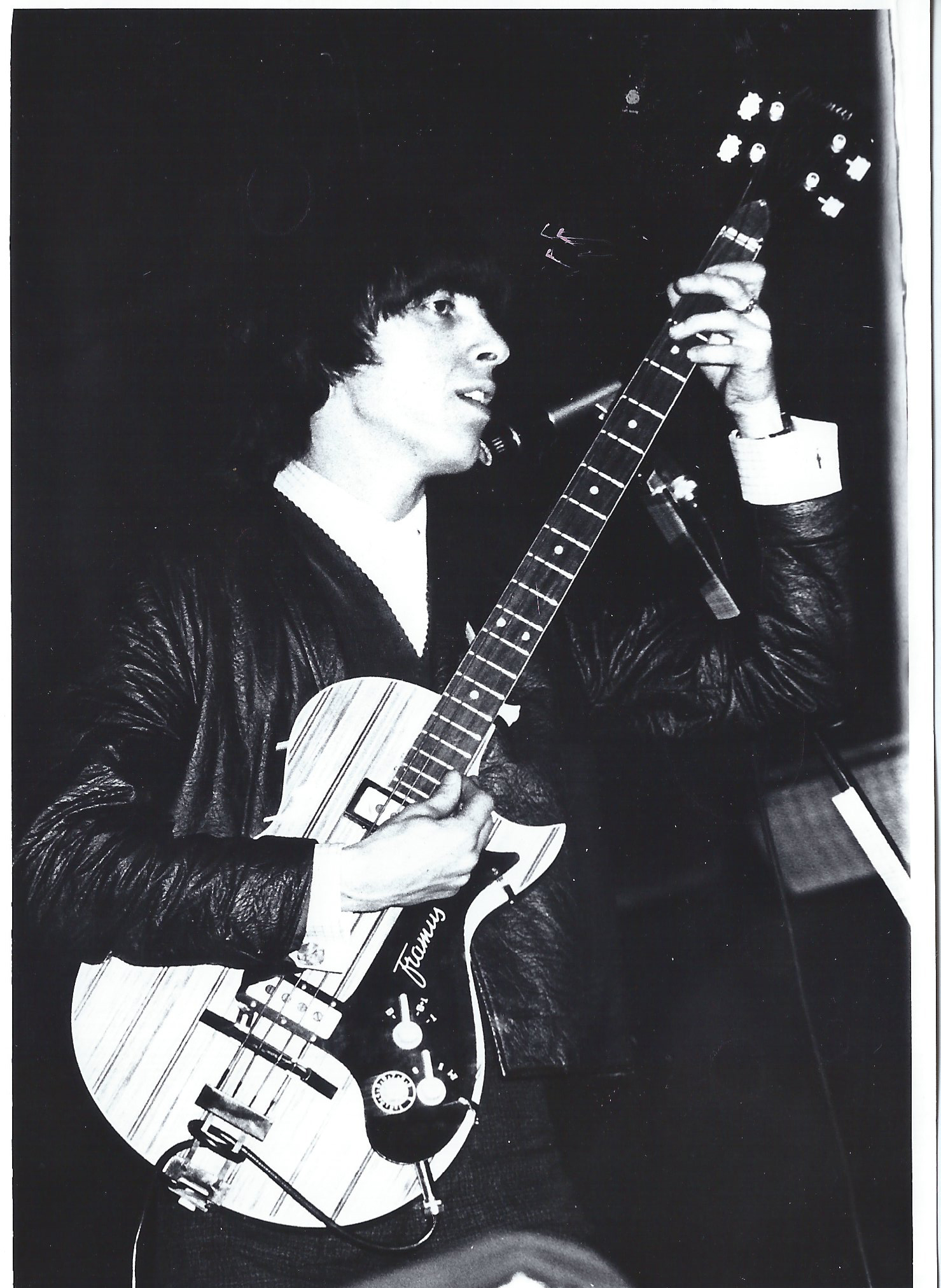
I’ve been rummaging around in one of my cupboards and found a photo album that’s been lying their for more than ten years. The album contains about twenty photos of rock acts thast visited Stockholm, Sweden, in 1966 and 1967 taken by my friend and colleague Sten Sundberg and a mate of his whom he would not name. Sten gave me these photos some twenty plus years ago together with a paper bearing the autographs of the Jimi Hendrix Experience.
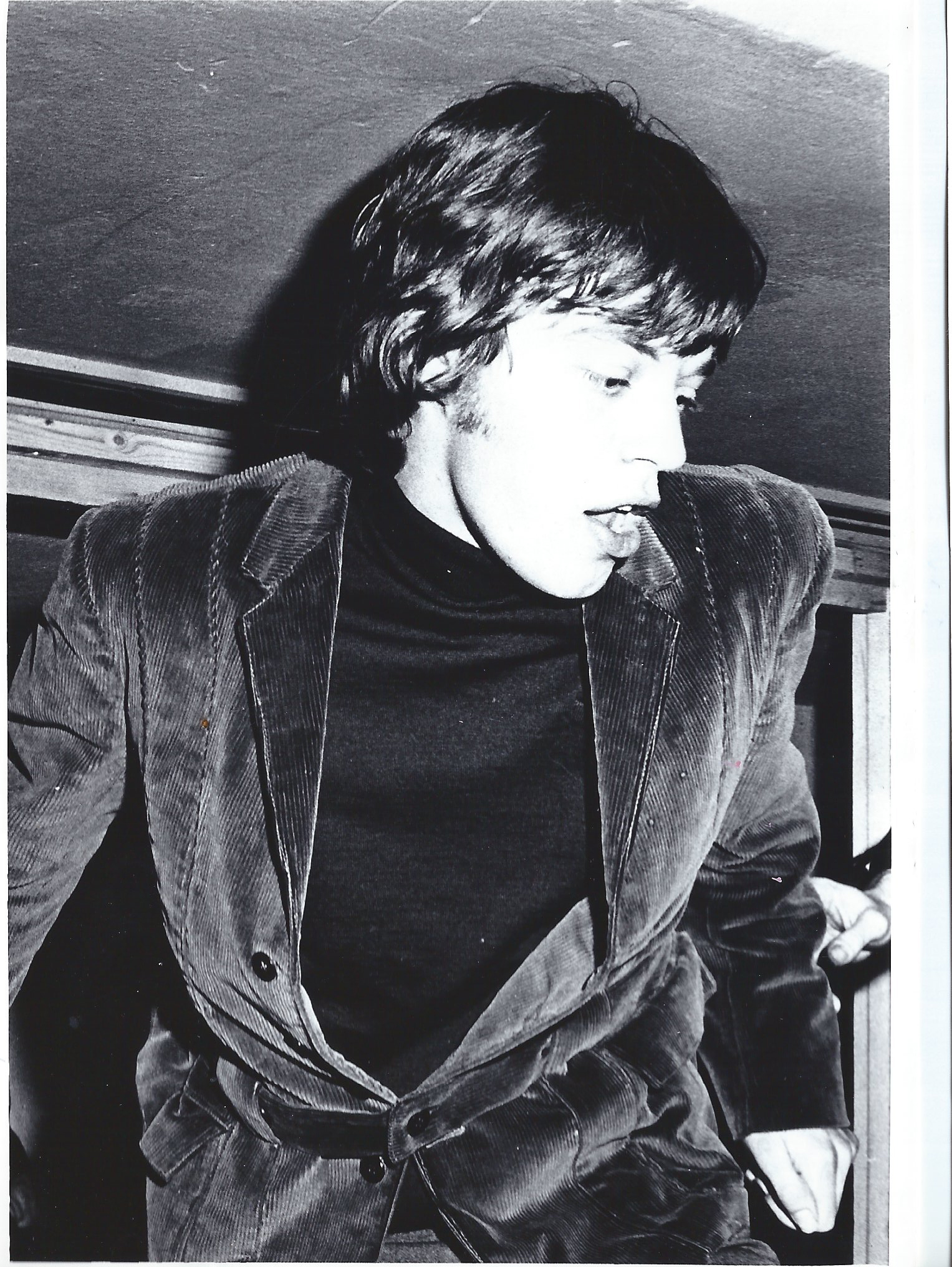
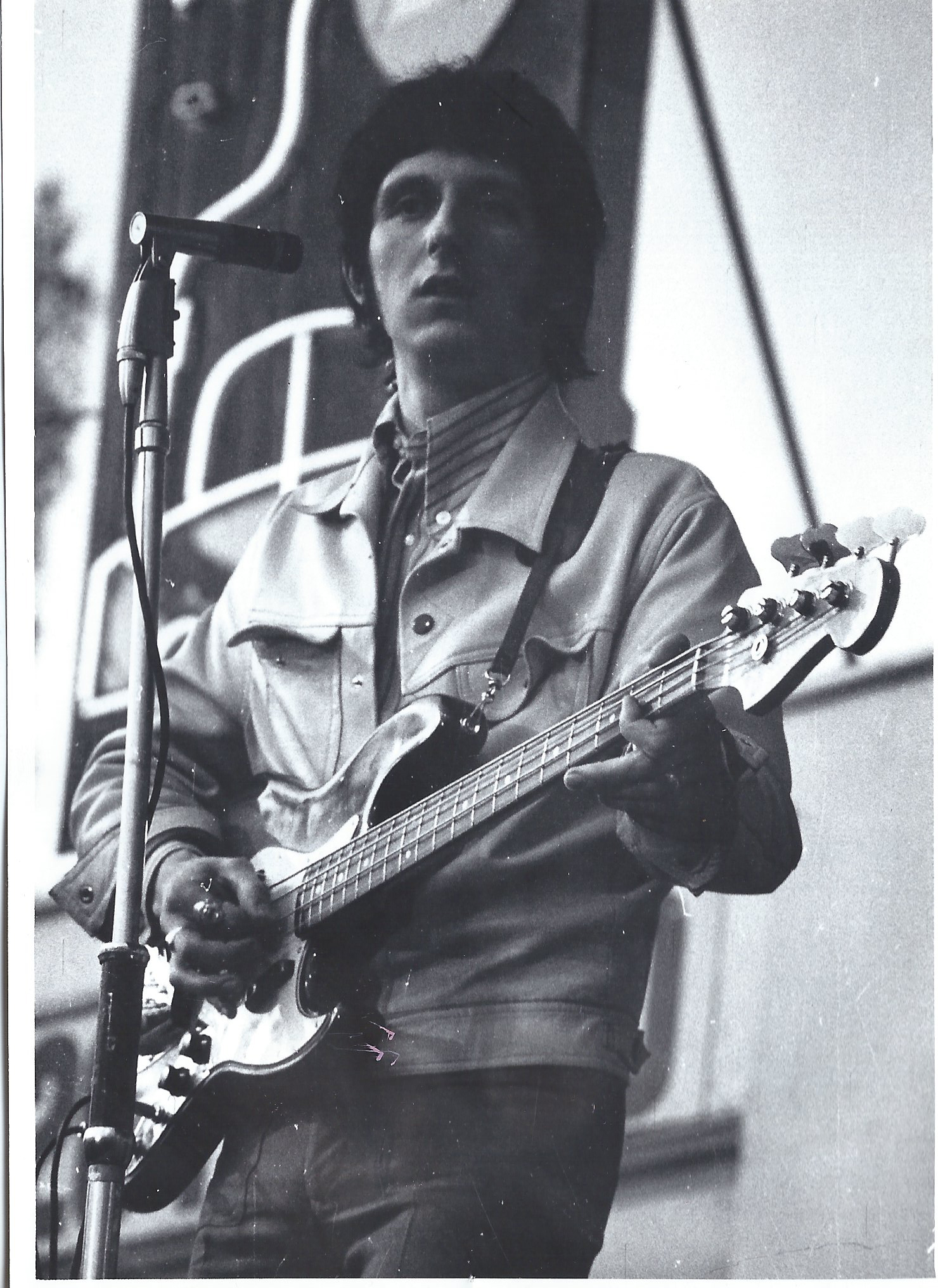
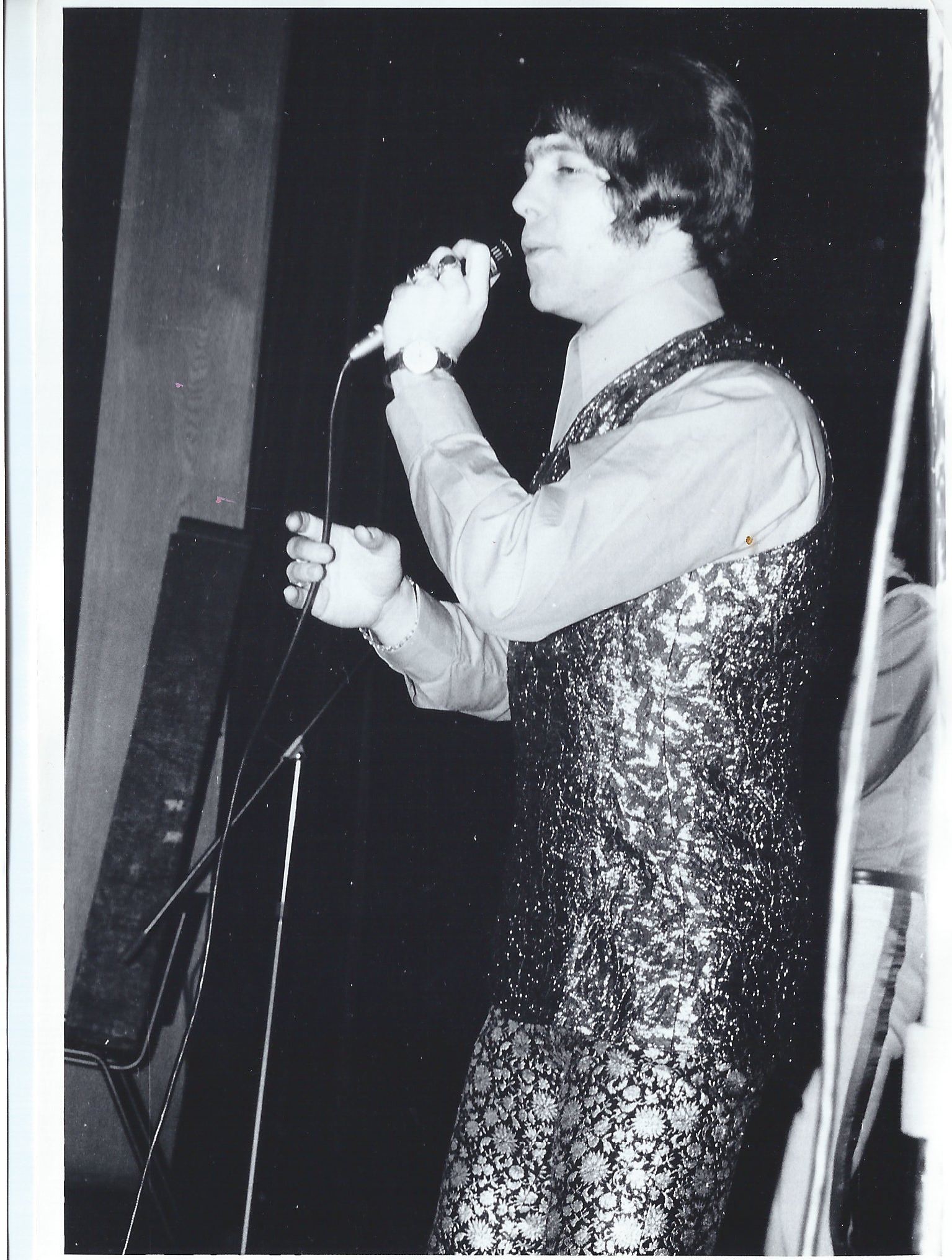
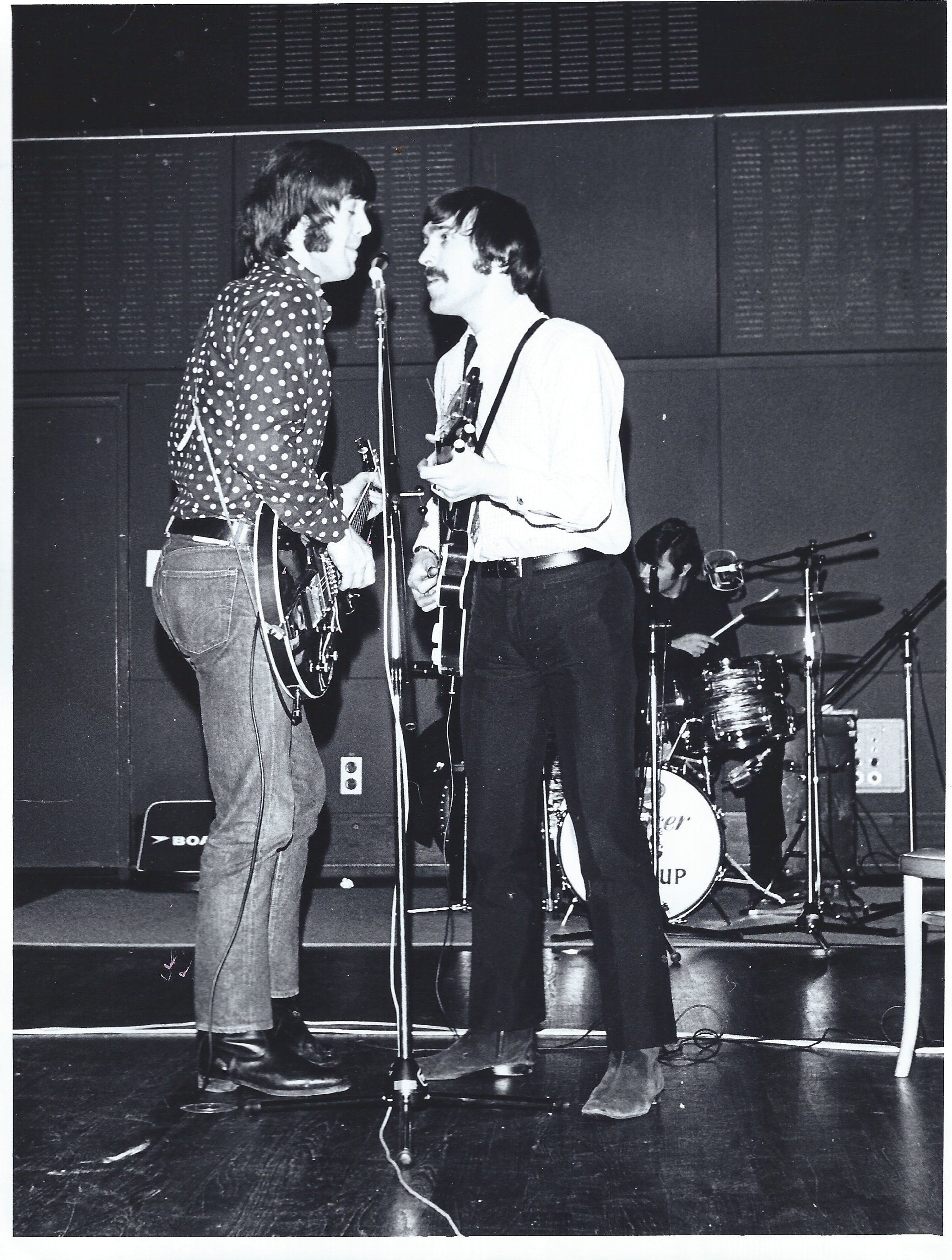
What I’ve found going through these pictures are some fascinating, but rather amateurish, pictures of some of rock music greats. There’s Otis Redding on stage at Stockholm’s Konserthus in June 1967, together with Donald “Duck” Dunn and Steve Cropper. There’s a nice profile portrait of Manfred Mann and another of the Manfred’s singer Paul Jones from a consert at Stockholm’s Nalen on 29th December 1966, Mick Jagger wearing a velvet jacket and holding his maraccas and Charlie Watts at his drums from one of the two shows at Kungliga Tennishallen on April 3rd 1966. Then there’s The Who’s Keith Moon bashing away and John Entwistle playing bass also from the Kungliga Tennishallen but on May 6th 1967.
Sten managed to follow the Spencer Davis Group around after their concert at Gröna Lund in February 1967 and even followed them to Arlanda Airport to see then fly back to England.
The Jimi Hendrix Experience played many gigs in Sweden. Sten and his mate were at Gröna Lund on May 24th 1967 when the Experience played there and managed to get on the tour bus with the band as they were whisked awat to Swedish Radio for a late night recording. Once there, they had to wait for the studion to be ready and they sat in reception and drank a bottle of Johnny Walker whisky. The band signed the back of one of Swedish Radio’s studio play sheets for Sten.
Otis Redding, Duck Dunn & Steve Cropper on Stage in Stockholm.
Three Rolling Stones in Stockholm on 3rd April 1966.
One half of The Who at Kungliga Tennishallen, 1967.
Manfred Mann and Paul Jones, Nalen, December 1966.
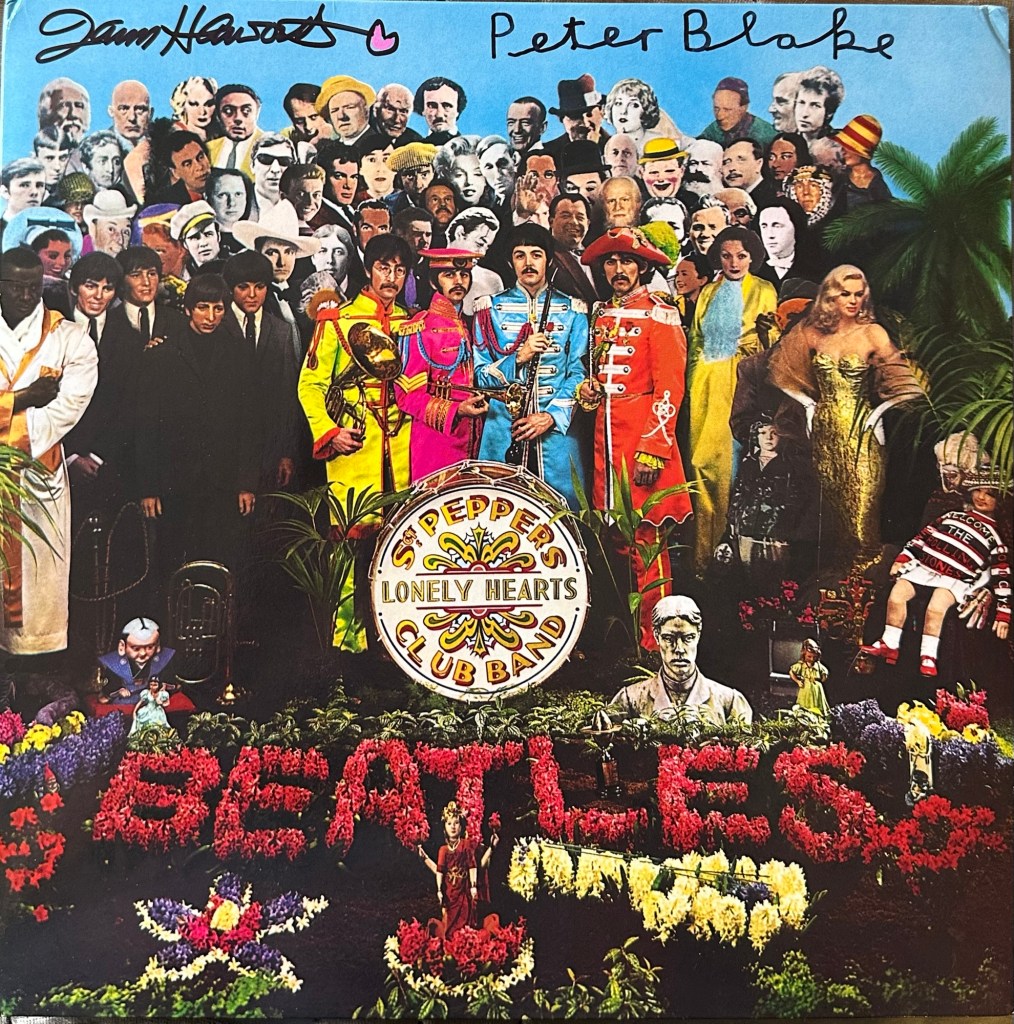
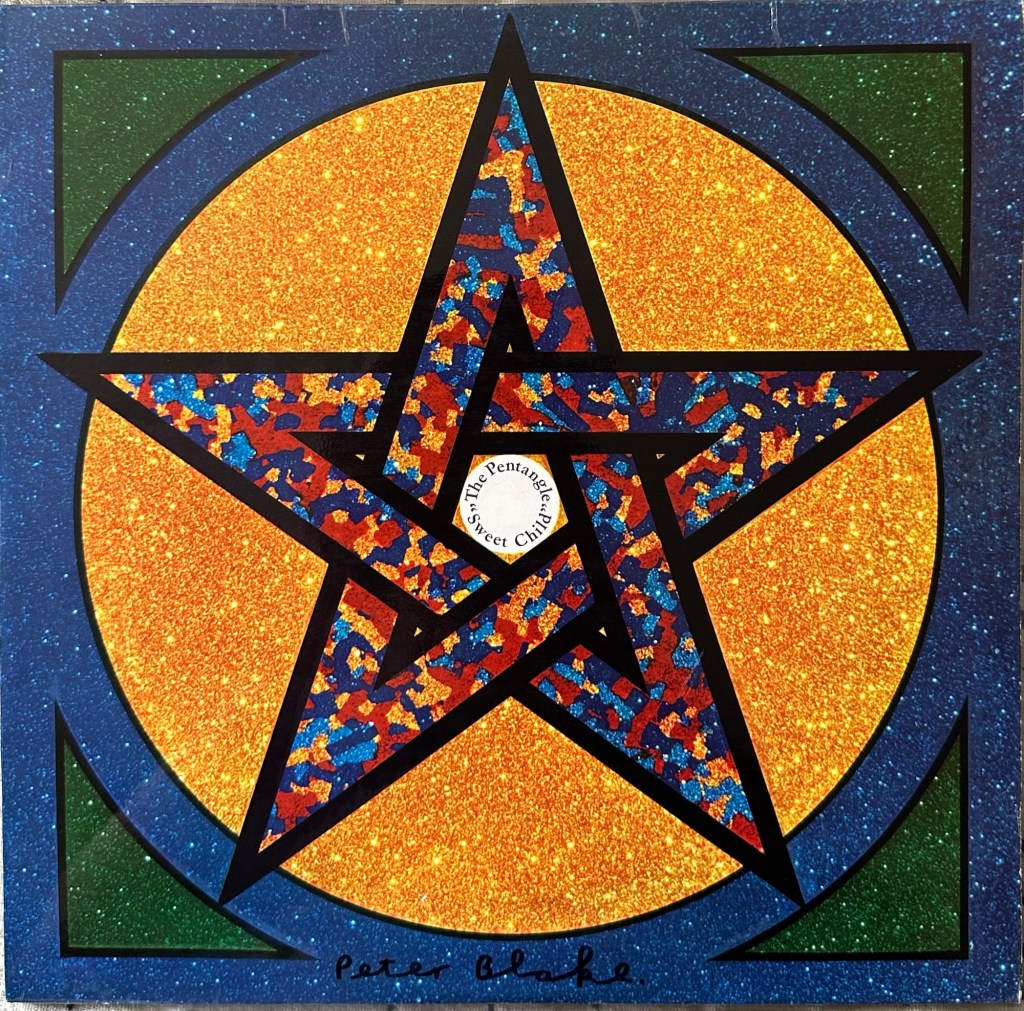
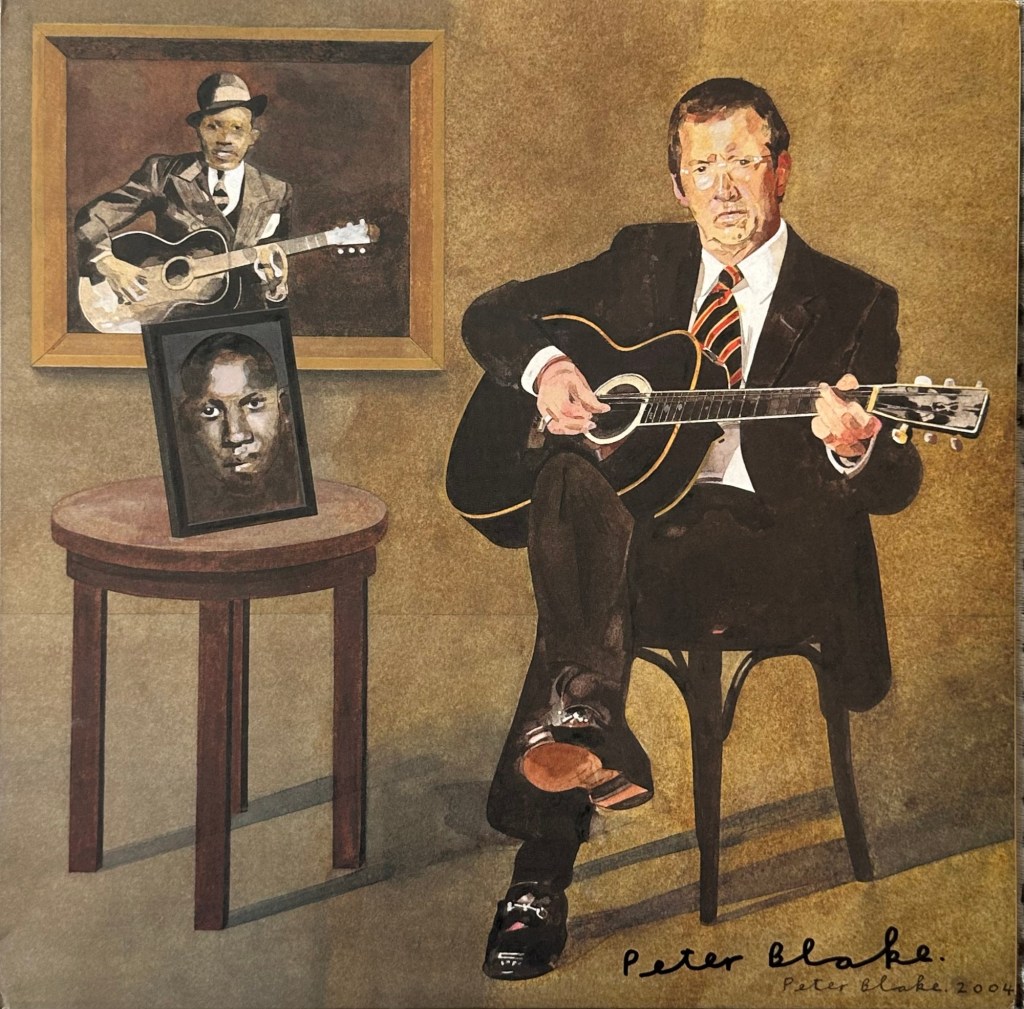
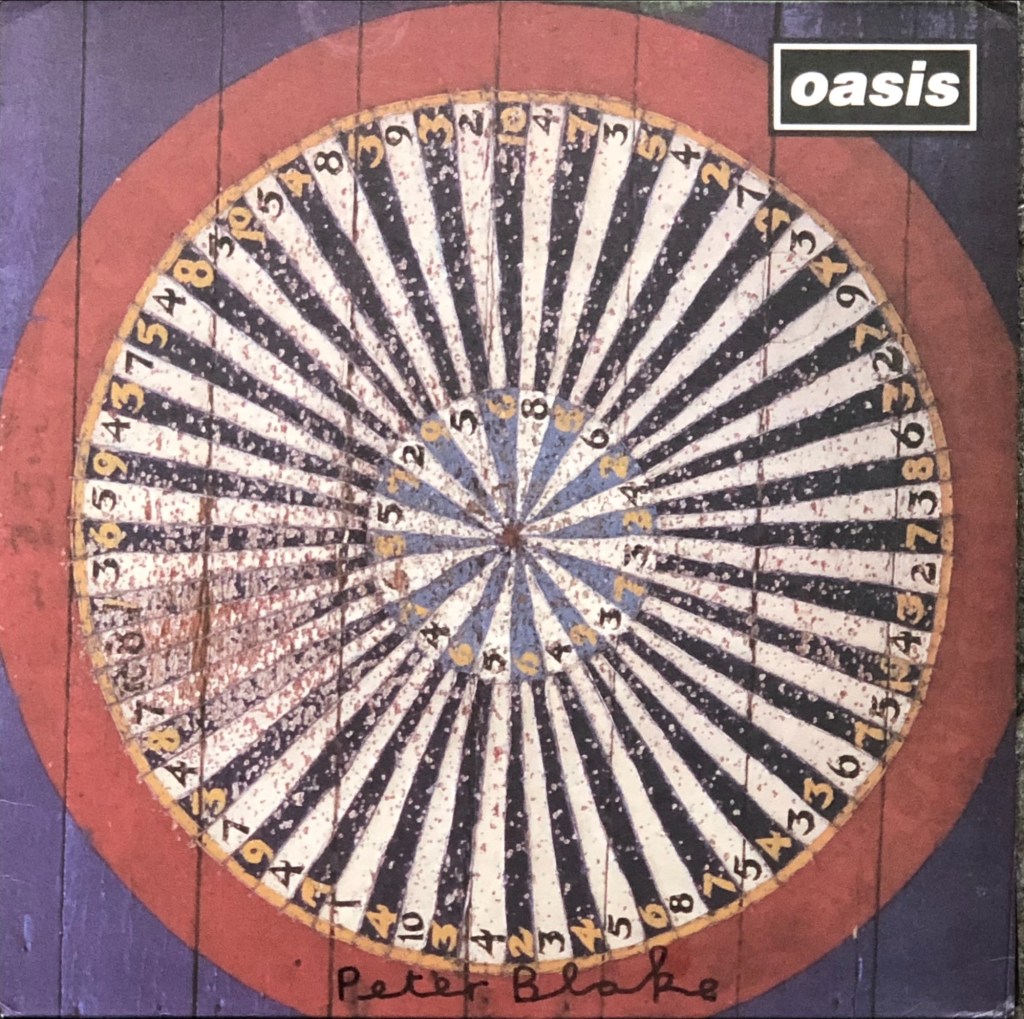
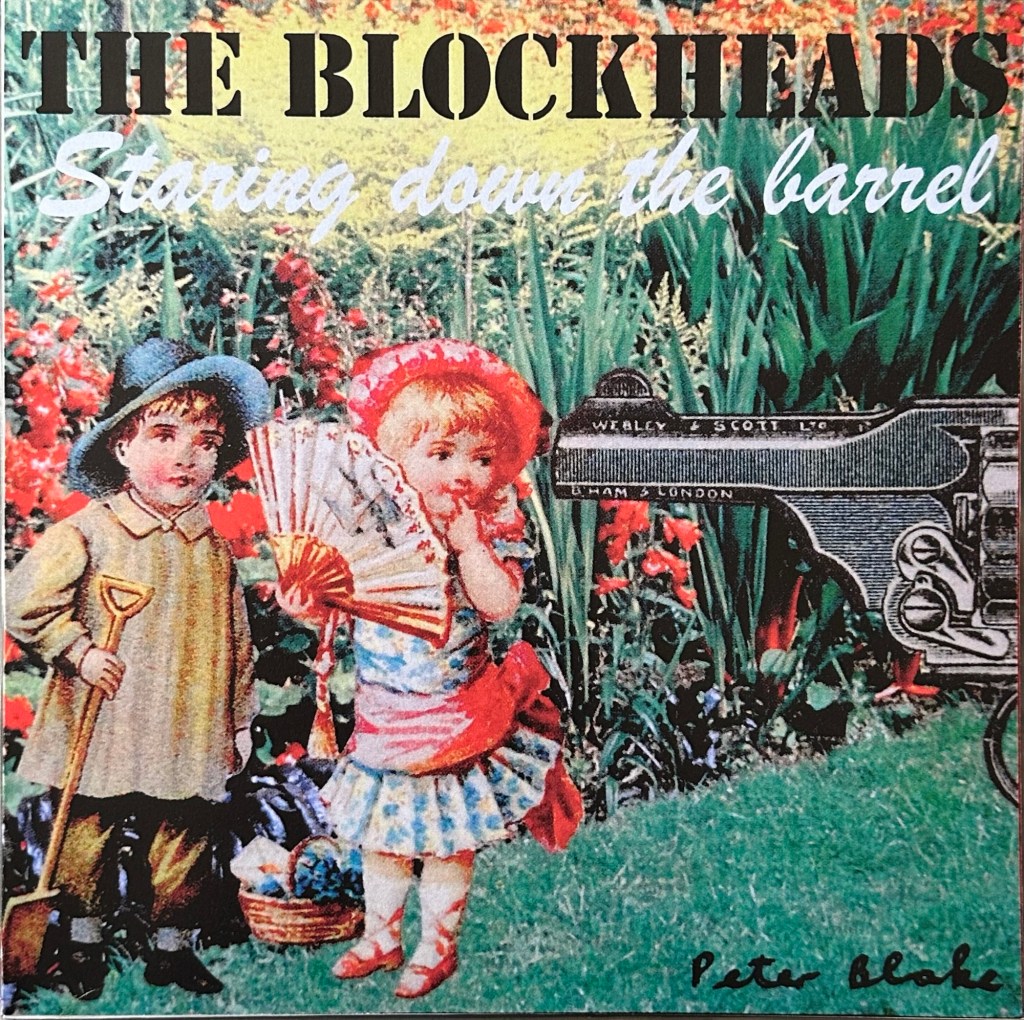
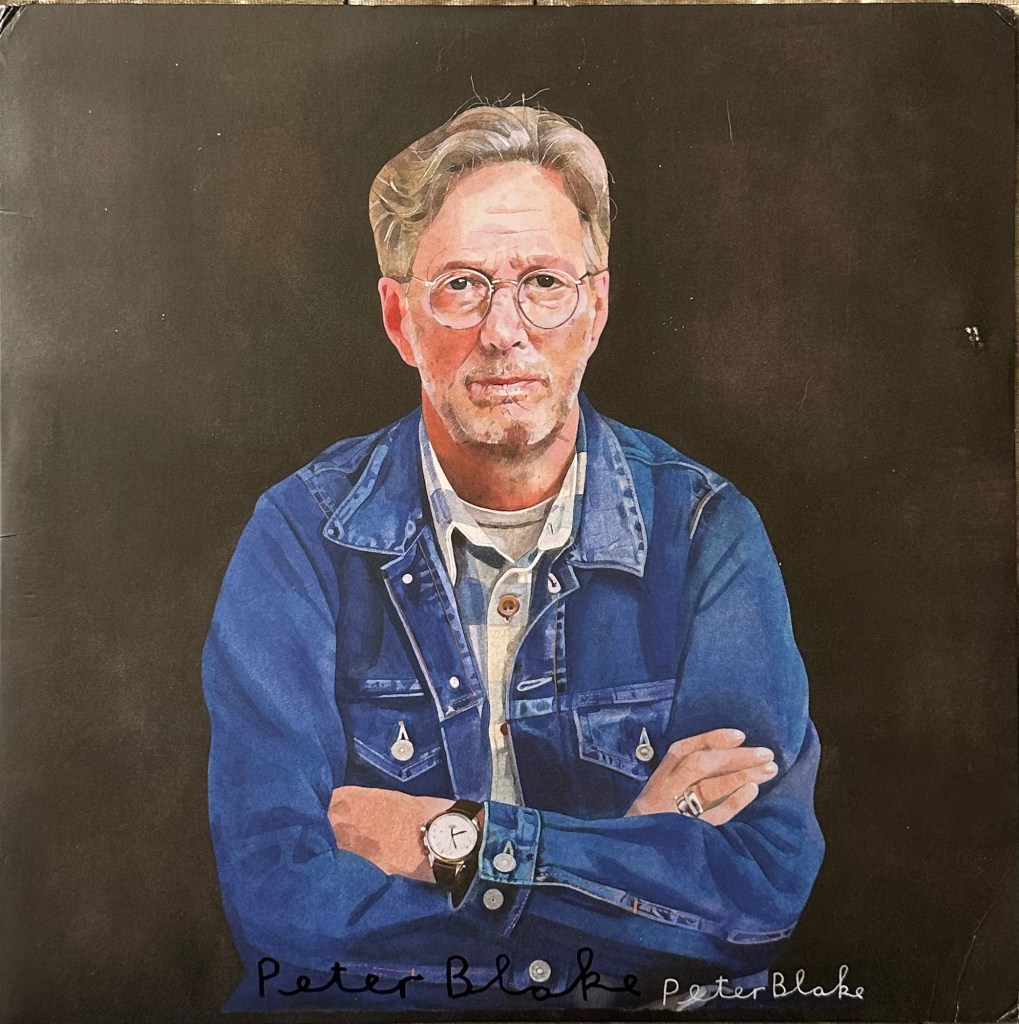
There can be few artists or graphic designers who have designed record covers for more than half a century. Offhand, I can think of three: the late great Alex Steinweiss (1917-2011), who designed over 2,500 covers in his career, Sir Peter Blake, who is till going strong at the age of 91 and Klaus Voormann, who designed his first cover in 1960 and his most recent to be released in April 2024. His most famous cover, of course, is the one he did in 1966 for the BeatlesRevolver, that he revisited in his book The Birth of an Icon. Revolver 50 on the fiftieth anniversary of Revolver’s release.
Voormann has designed over eighty record covers since the first that was released in 1960, when Klaus was only 22 years old. I am indebted to Thorsten Knublauch for much of the information on release dates for Klaus’s early covers. He is a mine of knowledge about matrix numbers and had tipped me off about several Voormann covers that I otherwise wouldnt have been able to collect. So, thank you, Thorsten!
Voormann’s first cover was for the Walk Don’t Run / Parisian Heiress 7″ single by a band called the Typhoons released on the Heliodor label, a subsidiary of Deutsche Grammophon that was released in autumn 1960. According to Thorsten, the Typhoons were a group of New York session musicians — but how they came to release this lone single in Germany remains a mystery.
In late October 1960, according to Klaus’s own accounts in his books, he Klaus was walking in Hamburg’s Reeperbahn district after a row with Astrid Kirchherr, when he heard music coming from the Kaiserkellar bar, on Grosse Freihet Strasse, and went in to investigate. There he was fascinated by the young Beatles and returned several times and befriended the band members. And at about the same time, he showed John Lennon the cover of the TyphoonsWalk Don’t Run single.
Voormann’s first publsihed record cover.
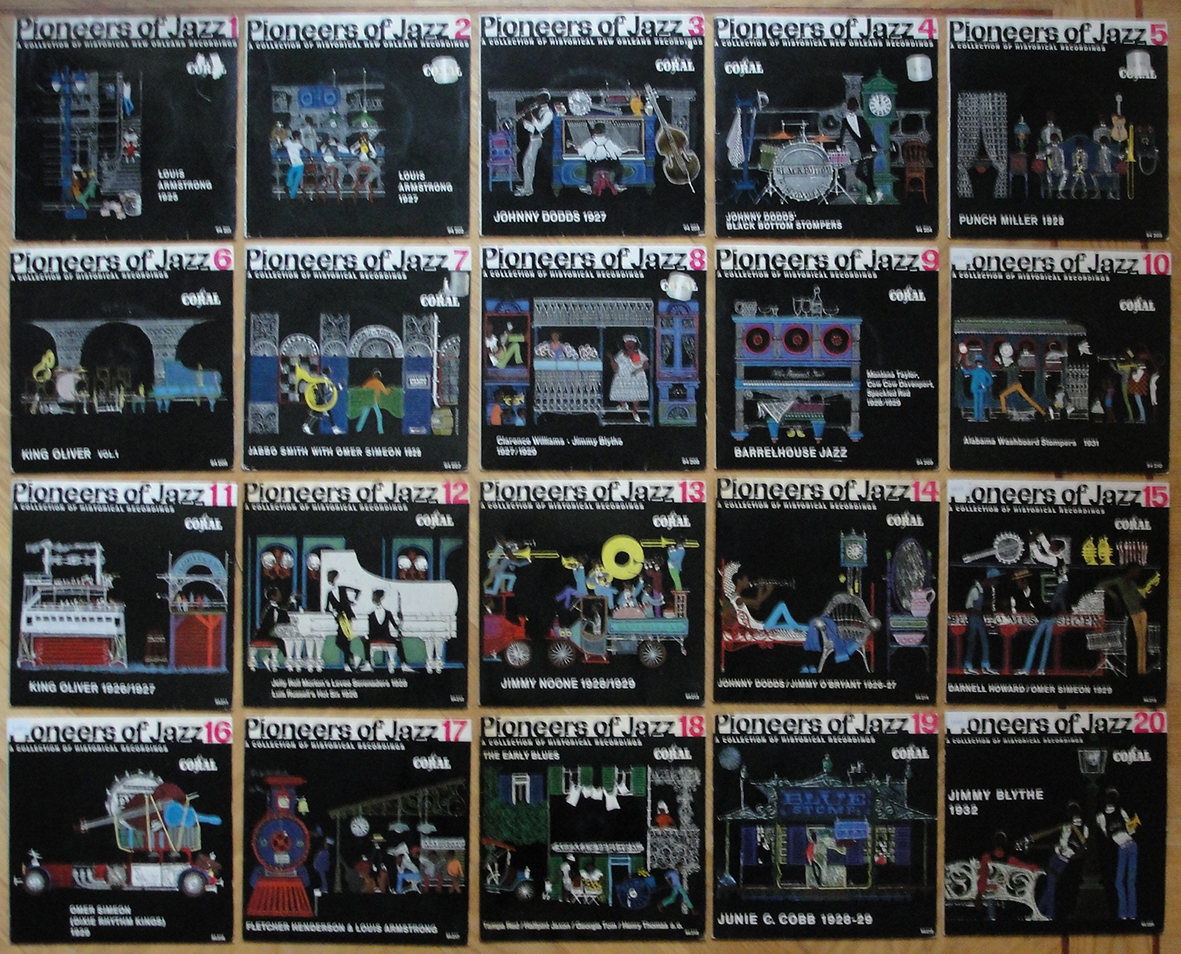
Klaus got another cover commision from Reinhart Wolf in 1960/1 to illustrate the covers for a series of jazz reeissue EPs called Pioneers of Jazz. These archival recordings were released on the German Coral label, another Deutsche Grammophon imprint at the time. Klaus illustrated all twenty covers
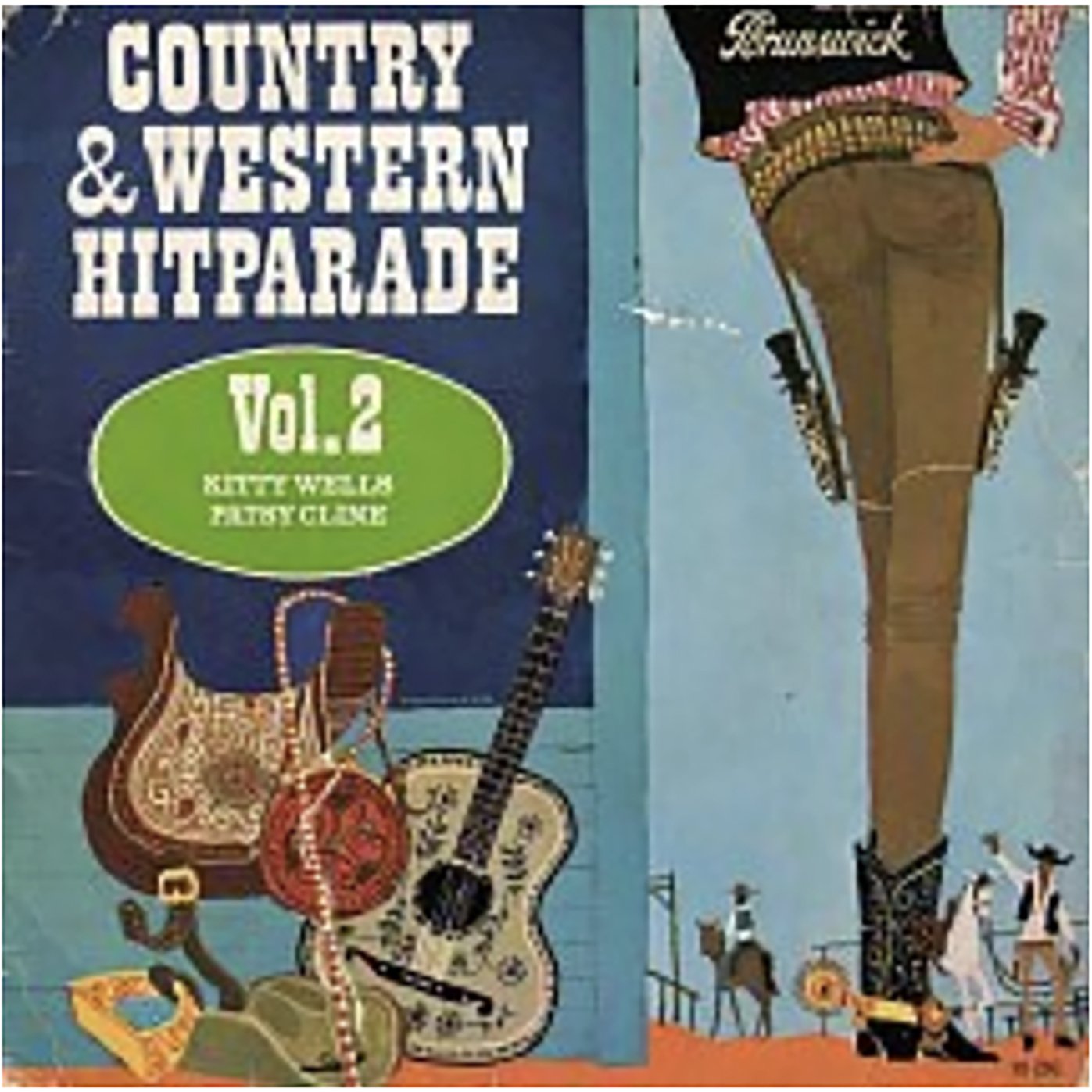
Soon after, Klaus illustrated the covers for another reissue series, this time eight seven-inch EPs each called Country & Western Hitparade, Vols 1 to 8. This time, though, all eight covers bore the same Voormann illustration. The series was released in January 1962 (my copies have a sticker on the front of each dated 2.62, implying they were availabe as early as February 1962). It’s tempting to wonder if the cowboy boot on the cover was a wink to the Beatles, who bought cowboy boots and wore them on stage while playing in Hamburg.
Voormann’s cover for the Country & Western Hitparade EPs.
Then in late 1962, probably as a Christmas gift for employees at Deutsche Grammophon, Klaus was commissioned to design the cover for the LP album Wer nie im Bett Programm gemacht.
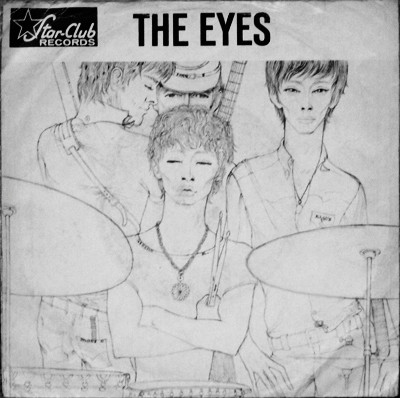
Klaus Voormann is a musician as well as a graphic designer, record producer and author and has played in a number of bands, the first of which was the Eyes, together with Gibson Kemp and Patrik Chambers. The Eyes released a single calledShe / Peanut Butter in 1965 with cover illustration by Klaus.
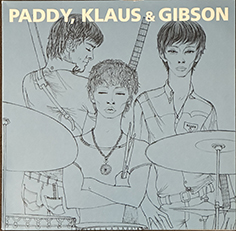
Paddy, Klaus and Gibson were three of the four members of the Eyes and they released three singles on the Pye label in 1965/6 as Paddy, Klaus & Gibson. The six tracks from these singles were reissued on a ten-inch EP in 2014 and the cover illustration was an editied version of the Eyes’cover with only Paddy, Klaus and Gibson. The limited edition EP was available on black, red and clear vinyl.
Revolver, Voormann‘s most famous cover design, was released on 5th August 1966 when Klaus was back in London as the basist in Manfred Mann’s reformed band after Paul Jones had left Manfred Mann released their latest album As Is on 21st October 1966, with cover design by Klaus Voormann. And in the following decade, Voormann went on to design covers for the Bee Gees, Gary Wright, Harry Nilsson, Edwards Hand, Ringo Starr,Jimmy Smith and Jackie Lomax.In April 2024 his 1966 portrait of Manfred Mann appeared on a double LP greatest hists package entitled Manfred Mann — Hits from the Sixties.
Voormann’s 1966 portrait of Manfred Mann on the cover of the 2024 Hits album.
One of the first things I look for when I see a record cover I like — or have just bought — is to check the liner notes, back cover or possibly the printed inner sleeve to find out who was responsible for the cover artwork/design. I never knew I had a collection of Barney Bubbles’ record covers despite having (at least) thirteen in my record collection. If he did allow a designer credit he would, as often as not, use a pseudonym.
I suppose I knew that Barney Bubbles (born Colin Fulcher on 30th July 1942, died 14th November 1983) had designed the logos for Stiff and F-beat record labels but none of my Elvis Costello albums or my Wreckless Eric records mentioned a designer. I did like a couple of Hawkwind’s covers, but I never bought any. No mention of a designer on those anyway. Other artists include Nick Lowe, Ian Dury, Quintessence and Billy Bremner. Barney Bubbles even released his own album, Ersatz, credited to The Imperial Pompadours
I recently starteed reading Kenneth FitzGerald’s Process Music: Songs, Stories and Studies in Graphic Design. FitzGerald writes beautifully — the book is a collection of his writings on graphic design with focus on a number of designers, one of whom is Barney Bubbles. There I read descriptions of many covers but there aren’t any pictures, so I was constantly searching Discogs to see what FitzGerald was describing. Then I found Discogs list of seventy-two Barney Bubbles cover designs, though incomplete, it is a good way to see images of most of his covers.
Here are a couple of other Barney Bubbles covers not included in the Discogs list:
These eclectic designs show that Barney Bubbles knew his design history. The Art of Roger Bechirian cover referencing Alex Steinweiss’ early designs for Columbia Records in the 1940s and fifties.
FitzGerald is impressed by the sheer amount of work Barney Bubbles produced between 1977 and his death at the age of forty-one in 1983. In addition to record covers he designed advertising material, posters and was an accomplished draughtsman and painter. He was suppported by Stiff Records, and later Radar Records, founder Jake Riviera.
Paul Gorman, who manages Barney Bubbles’ estate, has written a book, about Barney Bubbles’ art. Reason to Be Cheerful: The Life and Work of Barney Bubbles that was originally published in 2010 and an updated version came out in 2022. There is also a 500 copy, limited edition, box set of Barney Bubbles’ work called A Box of Bubbles.
I can’t remember how, or why, I became interested in Richard Prince’s record cover art. I was a fan of Sonic Youth and saw them live at Hultsfreds Festival in 2002. I already owned the Ciccione Youth Burnin’ Up 12″ and Perhaps it was through listening to Sonic Youth and then buying the Sonic Nurse album that introduced me to his art.
Richard Prince was born on 6th August 1949, 21 years to the day after Andy Warhol. He grew up fascinated by Jackson Pollock’s art and that hinted to him that it might be possible to make a living as an artist. The coincidence of Price’s birthday is not the only similarity to Warhol’s art. Like Warhol, Prince has used appropriated images from adverts (his Cowboy series) and photographs. He started by rephotographing pictures and, working for a time at Time Magazine and had his first solo exhbition in 1980 and has had many later exhibitions at prestigious galleries and museums including the Guggenheim (2007).
Like Andy Warhol before him, Prince began appropriating advertisments for his art. He made a series of Cowboy paintings based on the Marlboro Man adverts. And like Warhol, who was sued by Patricia Caulfield for appropriating her photograph of hibiscus flowers for his Flowers paintings and prints, Prince (together with the Gagosian Gallery and Lawrence Gagosian) was sued by photographer Patrick Cariou whose photographs he had appropriated for a series of paintings shown at the Gagosian Gallery. Emily Ratajkowski, another photographer, used a different method to get retribution for Prince appropriating one of her Instagram posts. She photographed herself in front of Prince’s painting and made an NFT of the image that sold at Christies, New York, for $175,000!
In 1985 Prince recorded his composition Loud Song onto a cassette tape and then rerecorded it onto a second cassette. Prince described the process thus: “Loud Song was recorded in Venice Beach California in a house that I rented in the winter of 1985. I recorded the song on an electric keyboard. I used two cassette tape recorders. I Would play the keyboard and record what was played on the first cassette. Then I would play what I recorded and play more keyboard and record both sounds on the second cassette. Then I would play back what I recorded on the second cassette and play more keyboard and record all that onto the first cassette. It was like I was using the cassette players as musicians. I would record this way until the song got really loud.”
Kim Gordon painted the cover picture and a limited edition of 250 copies, signed by Prince, was published by 303 Gallery.
Loud Song 12″ single-sided vinyl, signed by Richard Prince.
There is also a 7″ version released in a limited edition by Eric Doeringer that has Loud Song as its A-side and two tracks, Catherine and My Way, by Doeringer on the B-side. I also feel that the cover is Doeringer’s re-imagination of Kim Gordon’s original painting. Doeringer took the Loud Song track from Richard Prince’s Loud Song CD.
Eric Doeringer is an artist living in Los Angeles, who often appropriates other artists’ works in his art. Many of them, including Richard Prince, have applauded his work, while others have treatened him with legal action to stop him using their work.
I found a further version of Loud Song when, in 2022, I bought Richard Prince’s High Times book. Inside was a single-sided, green flexidisc version released in 2018.
The “Loud Song” flexi from the “High Times” book.
There is also a Loud Song CD that I haven’t managed to find. I’m primarily interested in vinyl so I probably won’t go after the CD.
The next record produced by Richard Prince was Good Revolution / Don’t Belong, a limited edition artwork published in 1992 in an edition of 80 copies. These were presentation gold seven-inch records with an engraved plaque mounted on a C-print, framed, includes a playable black vinyl record by the artist, recorded both sides, “Good Revolution” (1:46) and “Don’t Belong” (1:46), arranged and performed by Richard Prince, recorded and mixed at Harmonic Ranch by Mark Degliantoni, September 1992 (20 1/2 × 16 1/2 × 1 1/2 in | 52.1 × 41.9 × 3.8 cm).
A Tribe Called Quest released their final album, We Got It From Here … Thank You 4 Your Service, in 2017 with cover art bt Richard Prince. Prince’s design harked back to the. femail form on earlier ATCQ albums, althoiugh, to my eyes the figure looks more masculine. The coloration would be repeated in the nine covers Prince produced for his Gagosian exhibiition in 2022 (see below).
In 2018, Prince released a single-sided, 12-inch picture disc in conjunction with the Brigade Commerz Gallery entitled It’s a Free Concert Now. There was a limited “Artist’s” edition of twenty-five signed copies and a further unsigned edition, also of 25 copies. Mine, I think, is the unsigned edition (it’s still sticker-sealed, so I haven’t been able to see the B-side where Prince’s signature would be.)
Then in 2022 Prince designed a series of nine record covers that were really just artworks. Each cover contained a random 12″ record. I haven’t been able to establish whether or not these were a limited edition. The covers were part of a Richard Prince exhibition at the Gagosian Gallery in Burlingtin Arcade, London, and apparently sold for £30 each. Unfortunately, I arrived too late to get any.
Nine covers designed by Richard Prince to hold random records.
The final, and most recent, Richard Prince cover is his reimagining of the Nine Inch Nail’s The Downward Spiral album, commissioned by Interscope Records as part of the company’s 2023 thirtieth anniversay set of reissues. I’ve described the twelve Damien Hirst covers in this series in a previous post. Richard Prince only got to reimagine this one cover. It is available in two versions: a picture disc, double LP, in a sngle pocket cover in an edition of 500 copies and a 100 copy, deluxe black vinyl version in a gatefold cover packaged in Gucci packeting. Needless to say, I could only stretch to the picture disc version (I can survvive without the Gucci packaging.)
Nine Inch Nails’ The Downward Spiral cover reimagined by Richard Prince.
These are all the Richard Prince covers I have found so far. I’m sure there may be more. I’ll keep you posted.
Just when I thought my record buying days were over I got hit by the Interscope 30th anniversary reissues with covers of classic albums reimagined by contemporary artists including the whole Eminem album catalogue with covers reimagined by Damien Hirst and a Nine Inch Nails cover reimagined by Richard Prince. In all, Interscope reissued 47 albums with reimagined cover art.
The Slim Shady LPThe Eminem ShowRevival8 MileThe Marsjhall Mathers LP
Nine Inch Nails The Downward Spiral Reimagined by Richard Prince.
Here’s the full list (thanks to Vinyl Factory for the compilation): 1. Dr. Dre – The Chronic (Adam Pendleton) 2. 6LACK – FREE 6LACK (Amoako Boafo) 3. Billie Eilish – When We All Fall Asleep Where Do We Go? (Anna Park) 4. Gwen Stefani – The Sweet Escape (Anna Weyant) 5. Timbaland – Shock Value (Burnt Toast) 6. N.E.R.D. – Seeing Sounds (Burnt Toast) 7. Billie Eilish – dont smile at me (Cecily Brown) 8. Yeah Yeah Yeahs – It’s Blitz! (Chloe Wise) 9. Eminem – Entire Catalogue (Damien Hirst) 10. Mary J. Blige – The Breakthrough (Derrick Adams) 11. 2Pac – All Eyez On Me (Ed Ruscha) 12. Nine Inch Nails – Broken (Emily Mae Smith) 13. Blackstreet – “No Diggity” (Ferrari Sheppard) 14. Summer Walker – Over It (Genesis Tramaine) 15. Olivia Rodrigo – SOUR (Henni Alftan) 16. Kendrick Lamar – DAMN. (“DNA”) (Henry Taylor ) 17. Selena Gomez – Rare (Hilary Pecis) 18. Gwen Stefani – Love. Angel. Music. Baby. (“Cool”) (Issy Wood) 19. Lana Del Rey – Born To Die (Jenna Gribbon) 20. BLACKPINK – THE ALBUM (Jennifer Guidi) 21. U2 – “Beautiful Day” (John Currin) 22. Machine Gun Kelly – Tickets to My Downfall (“My Bloody Valentine”) (Jordy Kerwick) 23. No Doubt – Tragic Kingdom (“Just a Girl”) (Julie Curtiss) 24. Snoop Dogg – Doggystyle (KAWS) 25. Dr. Dre – The Chronic 2001 (Kehinde Wiley) 26. Kendrick Lamar – To Pimp a Butterfly (Lauren Halsey) 27. Billie Eilish – Happier Than Ever (Lisa Yuskavage) 28. Lady Gaga – Fame Monster (Loie Hollowell) 29. No Doubt – Tragic Kingdom (“Spiderwebs”) (Lucy Bull) 30. Machine Gun Kelly – Tickets to My Downfall (Mark Quinn) 31. Lana Del Rey – Paradise (Matthew Wong) 32. The Game – The Documentary (Fulton Leroy Washington a.k.a. Mr. Wash) 33. Lady Gaga – Joanne (Nicolas Party) 34. 2Pac – The Don Killuminati: The 7 Day Theory (Nina Chanel Abney) 35. Black Eyed Peas – The E.N.D. (OSGEMEOS) 36. Kendrick Lamar – Good Kid MAAD City (Rashid Johnson) 37. Lana Del Rey – Norman Fucking Rockwell (Raymond Pettibon) 38. Kendrick Lamar – Good Kid M.A.A.D City (“Swimming Pools” (Drank)) (Reggie Burrows Hodges) 39. Nine Inch Nails – The Downward Spiral (Richard Prince) 40. 50 Cent – Get Rich or Die Tryin’ (Sayre Gomez) 41. Yeah Yeah Yeahs – Fever To Tell (Shepard Fairey) 42. Kendrick Lamar – To Pimp A Butterfly (“King Kunta”) (Stanley Whitney) 43. Juice WRLD – Goodbye and Good Riddance (Takashi Murakami) 44. Eve – Scorpion (Titus Kaphar) 45. Kendrick Lamar – DAMN. (Toyin Ojih Odutola) 46. Tupac – Me Against The World (Umar Rashid) 47. Helmet – Meantime (Will Boone)
So I reckoned I was up to date with my Damien Hirst collection even though I am going to have to forgo the full Eminem oeuvre as these 12 albums cost a prohibitive $2,500 each (but you get a giclee print of the album’s artwork signed by Damien Hirst in an edition of 100, so effectively you get a free album if you buy the print!) However, no sooner had these five new Damien Hirst creations arrived than I found out the he had designed the cover for Pete Townshend’s (he of The Who) latest single Can’t Outrun the Truth which was released last March in an edition of 200 all autographed by Pete. Despite being on the Who’s mailing list, I missed out on this and had to resort to Discogs to´find a copy. Not the cheapest way to get a rare record.
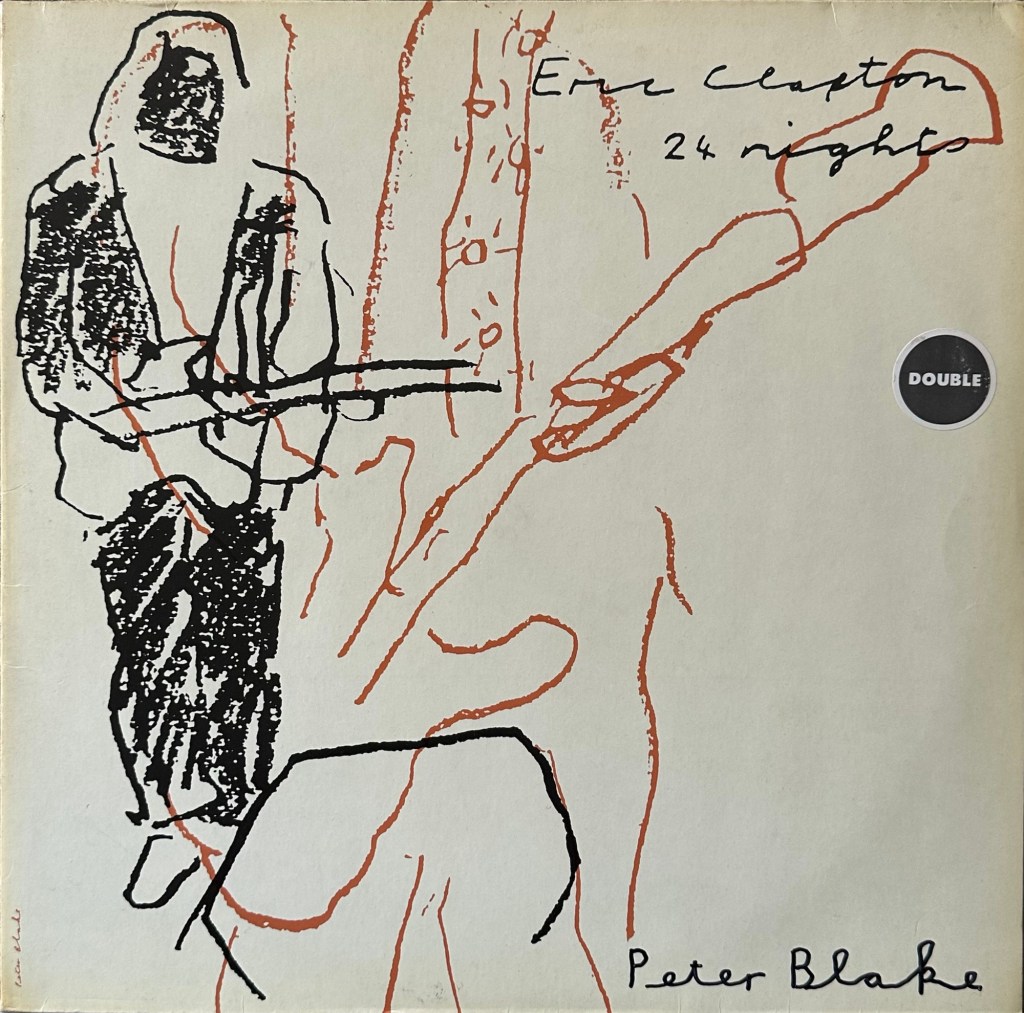
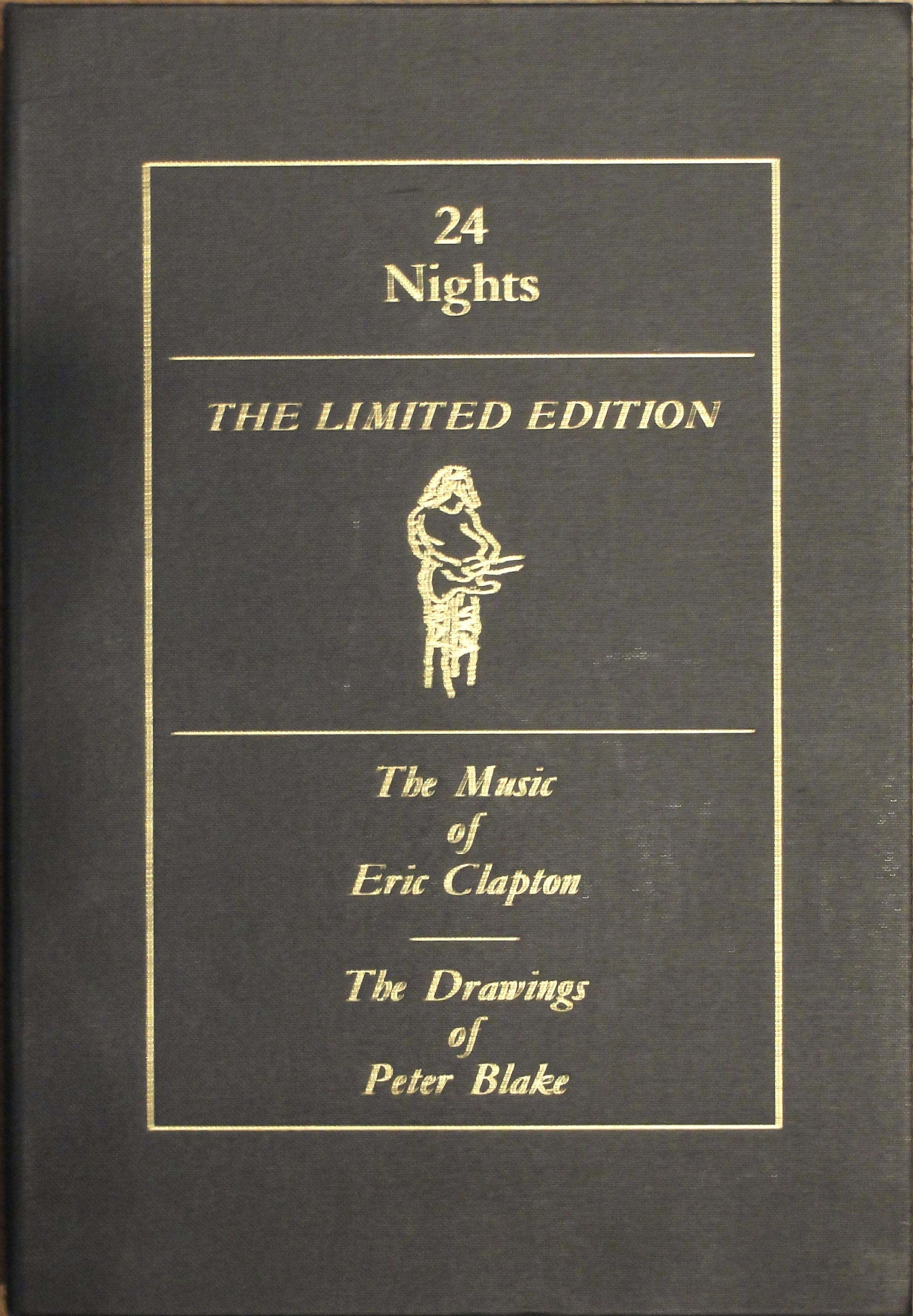
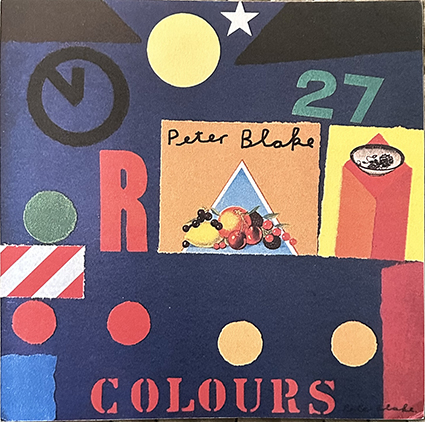
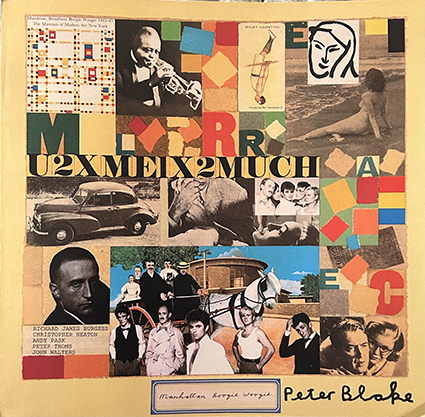
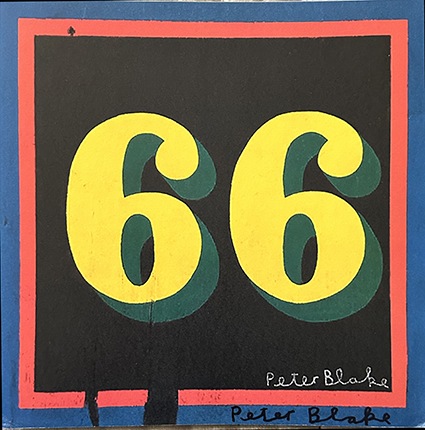
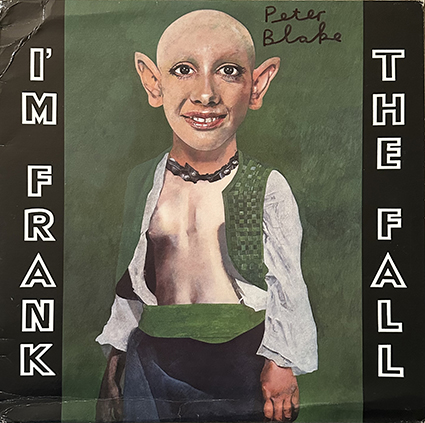
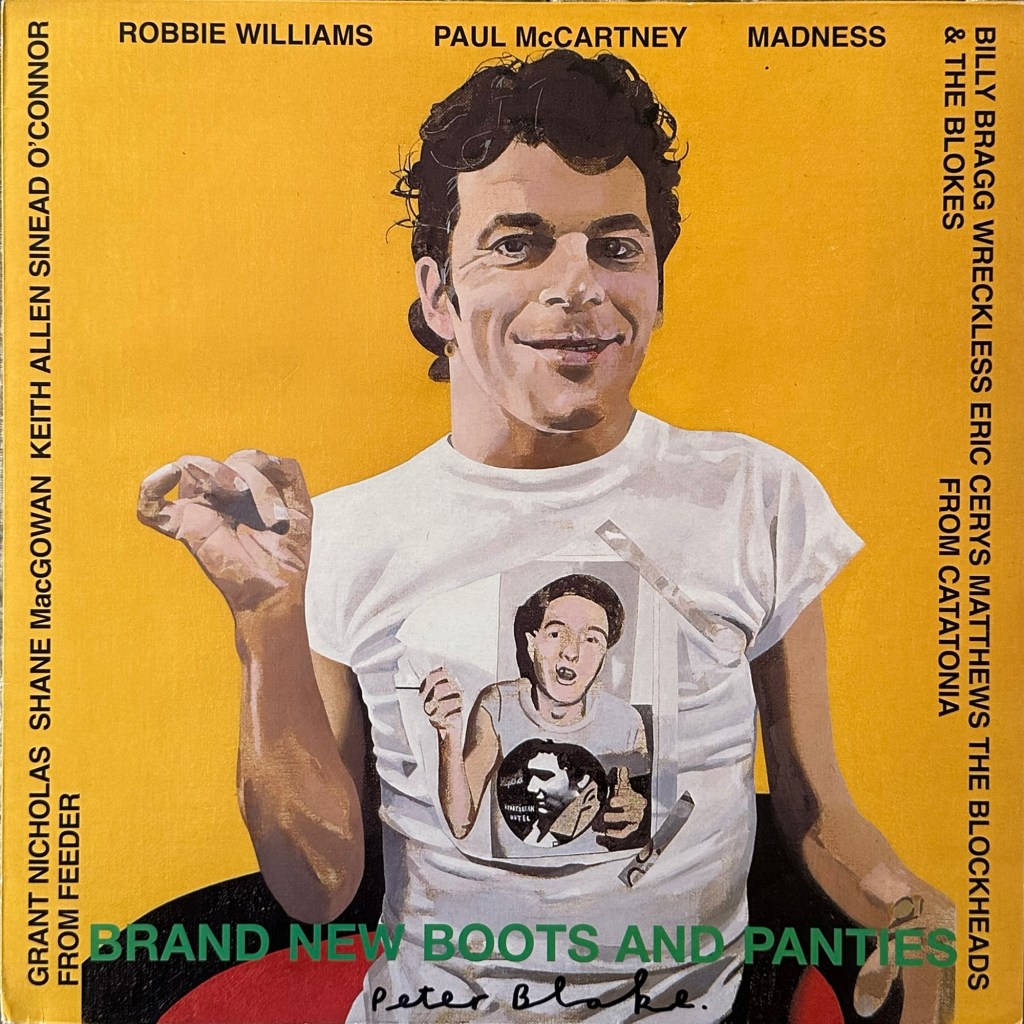
And then I read that Eric Clapton has released three albums of his legendary 1980-81 24 Nights concerts at the Royal Albert Hall, calling them the Definitive 24 Nights. The three albums called 24 Nights – Rock (3 LPs), 24 Nights – Orchestral (3 LPs) and 24 Nights Blues (2 LPs). There is also a deluxe box set of the eight LPs with three Blu-ray discs, a book and a signed lithograph of Eric Clapton. Of course Eric reuses Peter Blake’s sketches from the original 24 Nights album.
The limited edition deluxe box set was available from Clapton’s store but rapidly sold out. However, it is available from most record shops. I’ll have to wait for my copy to see exactly how much Peter Blake was involved in the design of these sleeves.
Ever heard of Interscope Records? I hadn’t until recently when a good friend and fellow collector tipped me off about a new Damien Hirst cover that was to be released by Interscope Records as part of their thirtieth anniversary celebration.
It turns out that the company released Eminem‘s first album The Slim Shady in 1999 and that they are releasing limited edition albums of the Eminem catalogue with new cover art by Damien Hirst. Five of the redesigned albums are picture discs in new Hirst designed covers produced in limited editions of 500, while a further seven are available on black vinyl, in signed editions of 100 that include a giclée print of the cover art packaged in Gucci-designed wrapping. Each picture disc version costs USD 100, and the signed editions cost USD 2,500 each. Damien Hirst has done these reimagined covers for free as the proceeds are going to charity. Despite the fact that the proceeds from the sale of these art covers are going to charity I feel that they are wildly overpriced. The picture discs are each produced in editions of 500 copies and USD 100 strikes me as too expensive. I think a more reasonable price would be around USD 50. I would expect a record priced at USD 2,500, like the black vinyl albums to be in much more limited editions, perhaps even unique items in order to motivate the price. These are probably aimed at galleries or institutions rather than individual collectors and the exorbitant price prevents serious collectos of the individual artists’ covers from buying them.
Five limited edition coloured Eminem vinyl LPs
In addition to these new Damien Hirst covers there is a redesigned Snoop Doggy DoggDoggy Style LP cover by KAWS for USD 100 in an edition of 500 copies that sold out almost immediately it was released. However, there was only one further release that I was interested in, and that is Richard Prince‘s reinterpretation of Nine Inch Nails‘ The Downward Spiral LP.
Nine Inch Nails The Downward Spiral Reimagined by Richard Prince.
In addition to the Damien Hirst designed covers for the Eminem albums, Interscope have released twenty-one other albums with redesigned covers priced at USD 2,000-2,500 by artists such as Gwen Stefani, Lana del Rey, Helmet, Dr. Dre, Billy Eilish and others.
These are the black vinyl Damien Hirst albums:
The USD 2,500 limited editions.
I actually really like these Damien Hirst covers! Obviously I can’t afford the USD2,500 limited editions and so I can never own a complete set of the artist’s record cover art.
I have ordered the five Hirst and the RIchard Prince picture disc editions. Perhaps I’ll make my own versions of the USD2,500 editions later to complete my collection.
All these covers can be bought through the Interscope Records site or via NTWRK app, subject to availability.
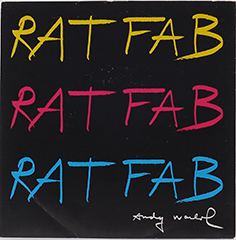
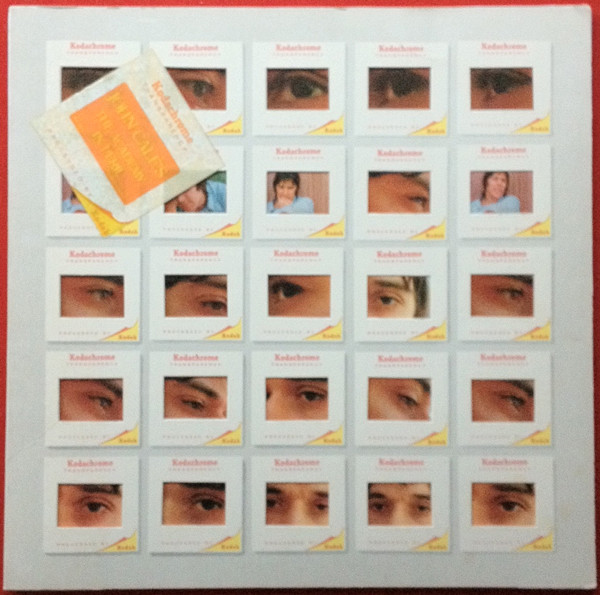
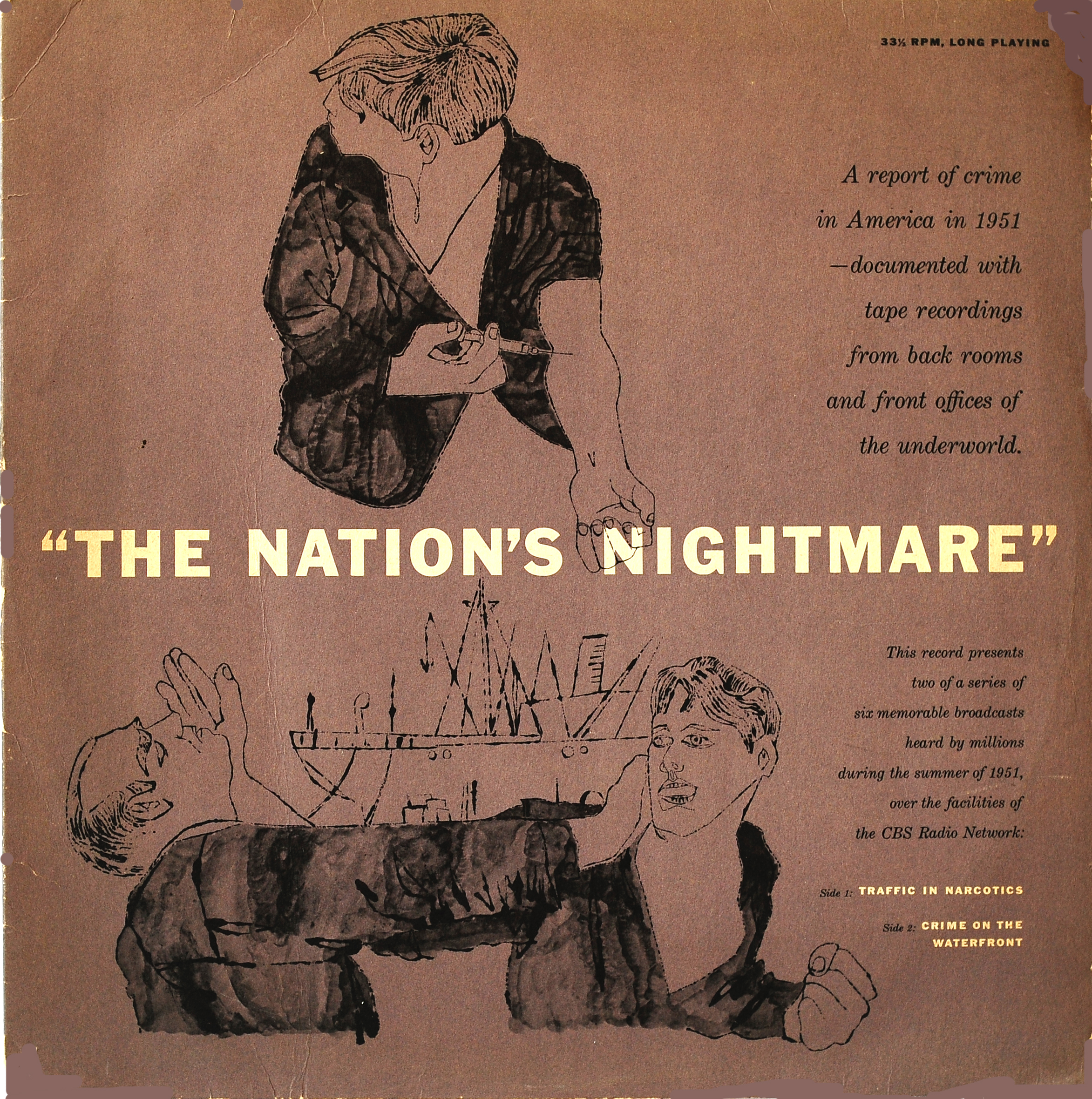
I suppose I could date the start of my collection proper of Andy Warhol’s record covers to 1967 when I bought The Velvet Underground & Nico and then, a year later, bought White Light/White Heat (the Velvets’ second album) but although I bought the Rolling Stones’ Sticky Fingers when it came out in April 1971 I didn’t really consider I was collecting Warhol covers. Another Warhol cover — The Rolling Stones’ Love You Live LP arrived in 1977 and then Diana Ross’ Silk Electric turned up in 1982 and I realised I had a collection of Warhol covers! However, I had no knowledge of his early work until I was introduced to his jazz covers by Guy Minnebach, whom I had met online, and who tipped me off about a number of covers and sold me my treasured copy of The Nation’s Nightmare in 2006. While showing obvious signs of wear, this album cover was one of my prized possessions.
I continued to add to my collection of Warhol covers in the years before and after the acquision of The Nation’s Nightmare and was lucky to have started before many of the rarer covers were recognised as being Warhol designs. Some of the rare ones, such as The Story of Moondog and Ultra Violet, evaded me for many years, but I was eventually able to add these, too.
I 2018, I attended the opening of Moderna Museet’s exhibition Andy Warhol 1968, an homage to mark the 50th anniversary of the Museum’s historic Warhol exhibition that ran from February into March 1968. Having toured the exhibition, and just before leaving, I saw eight record sleeves on the final wall. Among them was the cover for East Village Other (aka Electric Newspaper) labelled as being a Warhol cover.
The eight “Warhol” covers at the Warhol 1968 exhibition with the East Village Other cover (bottom row, second from right).
Well, I knew it wasn’t! So I plucked up courage to look for John Peter Nilsson, the exhibition’s curator and pointed out this misstake. I mentioned to him that I had a “complete” collection of Warhol covers and he told me of plans for the exhibition to move to Moderna museets sister site in Malmö from March to September 2019 and the possibility to display my complete collection. In the preparation for the collection of my covers, my The Nation’s Nightmare cover got slightly damaged.
My damaged cover.
Ever since it was returned to me late in 2019, I have had an ambition to replace it with a better copy. Several have appeared on auction sites and Discogs over the past three years but none was in the condition I was looking for until I saw a copy on Discogs in late January 2023 and, after seeing pictures, and doing som haggling, decided to buy it.
The seller was locatred in Connecticut, USA, and posting it to Sweden would make me liable to pay an exorbitant import charge, so I enlisted a friend in Savanna, GA, to receive the record and post it on. The record arrived safely and he posted it on Febrary 8th and I follwed the USPS tracking with bated breath seeing that the package left JFK airport on February 14th. After that there were no further tracking records. I contacted the Swedish postal service Postnord, who told me that they had no record of the shipment and that it might have been flown to any European city and that I should wait for further information from USPS. None was forthcoming, so on 23rd February I phoned USPS who couldn’t trace the shipment. I was desperate and mailed my friend in Savanna to start proceedings to claim for a lost shipment. However, before he could do so, I received notice from USPS on 24th February that the package had indeed been flown to Arlanda (Stockholm) airport and had been handed over to Postnord for customs clearance that day. I breathed a sigh of relief. At least the shipment wasn’t lost. But a week went by, and then ten days, and I still hadn’t received any informatin from the Swedish customs or Postnord, so I phoned again on March 7th and after a ten-minute search the operative told me that the package had been cleared by customs and would be with me in three or four days. It finally arrived on 10th March, a little over a month after it was posted.
The rear cover.
The cover is in beautiful condition, I would call it “excellent” with no major wear or writing anywhere. The record looks unplayed with immaculate labels and the rear cover shows some yellowing due to age but is otherwise great. I am greatly relieved that it finally arrived and really pleased to have this lovely copy in my collection.
I keep trying to be creative, and not only in the record cover collecting field. Last summer I went on another silkscreen course and though I didn’t manage to get as much done as I had hoped, I still did produce a few nice things.
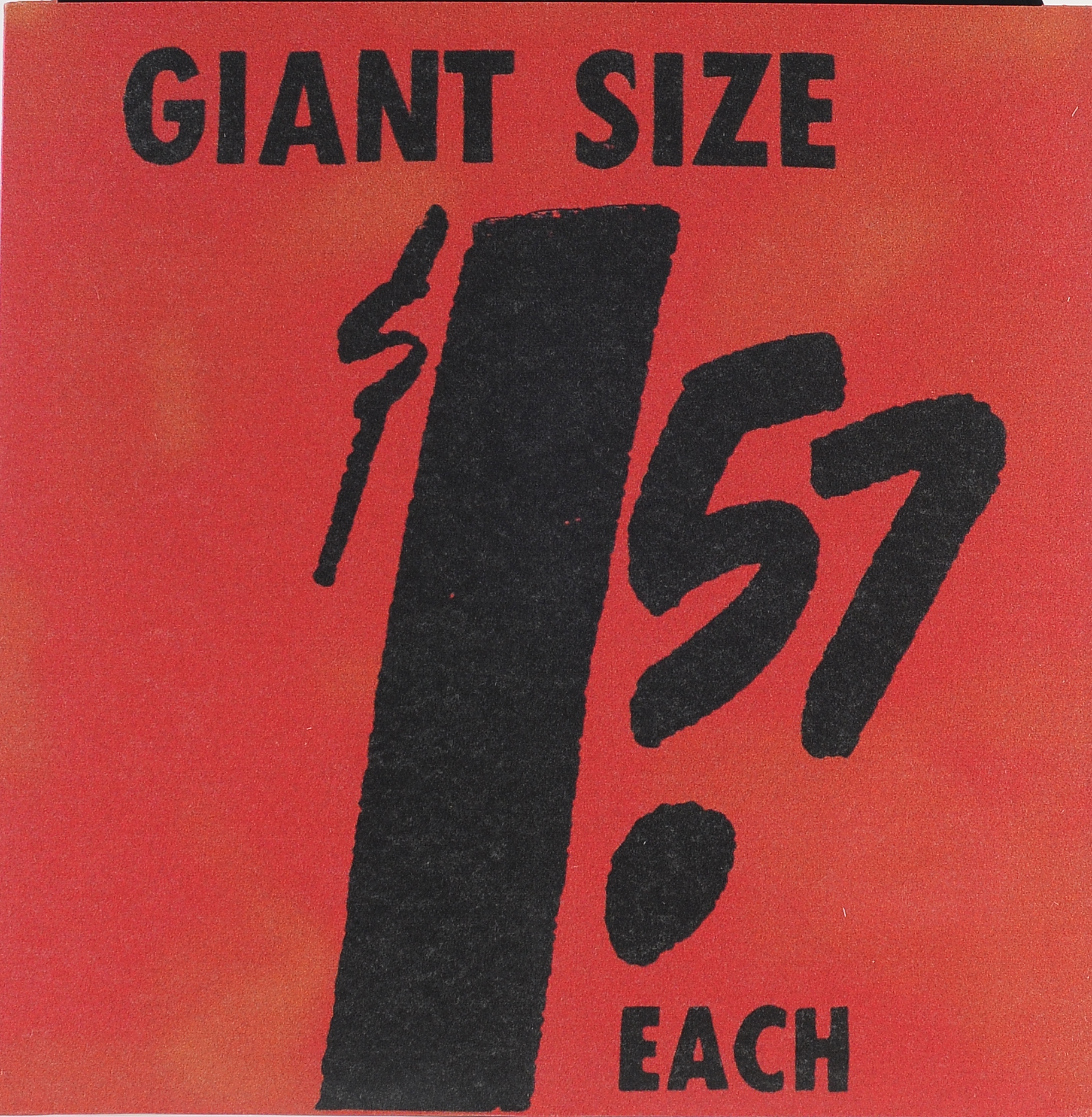
I printed a number of teeshirts and five new sets of Andy Warhol’s and Billy Klüver’s famous Giant Size $1.57 Each record covers. This involved first spray painting the record covers (white, yellow, red, green and orange — the same colours Warhol/Klüver used on the originals) and then screenprinting the Giant Size $1.57 Each text on top. I did 25 covers in all!
I also printed a number of teeshirts with the same design, but this time in gold.
A bit later, I got Urban, my friendly neighbourhood printer, to print replica record labels that I could stick onto some LPs that I sourced from the record store that I sold my collection to a few years ago. They had loads of records that were unsellable and that they were glad to get rid of!
At he same silkscreen course, I printed two pictures using the same Giant Size stencil. These turned out so well that Anette, our course leader, wanted me to print her a tote bag with the design in gold.
But the things I was most pleased with were two large-scale prints 100 x 50 cms that I decided to frame and submit for consideration for inclusion in Liljevalch’s 2023 Spring Salong. Unfortunately they weren’t accepted but I’m pleased I tried.
Latterly, I’ve gone back to painting. Anyone who has followed this blog may have read about my collection of sixties Bill Graham Fillmore Autitorium and Avalon Ballroom handbills. The original posters are now fetching large sums at auction and I always wanted Wes Wilson’s The Sound poster from 1966. Knowing I couldn’t afford an original, I reckoned the next best thing woud be to paint a reproduction… Note: not a forgery, a reproduction.
There are many instances of artists appropriating the work of others, ranging from Elaine Sturtevant, who in the sixties reproduced several of Andy Warhol’s paintings to Ulf Linde, who reproduced Marcel Duchamp’s readymades and which are on permanent display at Stockholm’s Moderna Museet (Linde even got Duchamp to sign the reproductions!) He made further copies (I mean reproductions) fifteen years after Duchamp’s death, but then had his widow sign them! Another celebrated case of reproductions is the Brillo Boxes ordered by Pontus Hultén for an exhibition that were made in Malmö, Sweden, and many were later sold as original Warhol Brillo Boxes. The fact that Hultén had commissioned them only came to light six months after his death in 2006.
So now I decided to paint myself a copy/reproduction of Wes Wilson’s magnificent poster as near full size as possible (acrylic on paper) . And here is the result.
I got inspired by how well this turned out and a friend posted a picture of Banksy’s 2004 I Fought the Law and I Won print. I have two record covers that had travestied this design — The Promise’s 2002 album Believer and the test pressing for Embalming Theatre’s and Tersanjung XIII’s split EP called Mommy Died – Mummified / Hellnoise — and I decided to reproduce Banksy’s original. I did a black and white version and then saw that one of the big auction houses was selling a red/orange version. So I decided to paint that one too.
Then I looked for something perhaps more complicated to paint and I saw the cover of the band UFO’s 1979 album Strangers in the Night and decided to give it a go. However, I though the dots might prove tricky.
My latest painting, completed only yesterday, is the front cover of The Clash’s eponymous first album with photography by Kate Simon.
Painting these record sleeves makes a great addition to my collection of record cover art. I really feel like painting some more. I thought I might try Kraftwerk’s Die Mensche-Maschine cover. A given for anyone, like me, who likes typography. We’ll see if it materialises.