Tag Archives: Velvet Underground

Andy Warhol and the Velvet Underground & Nico.

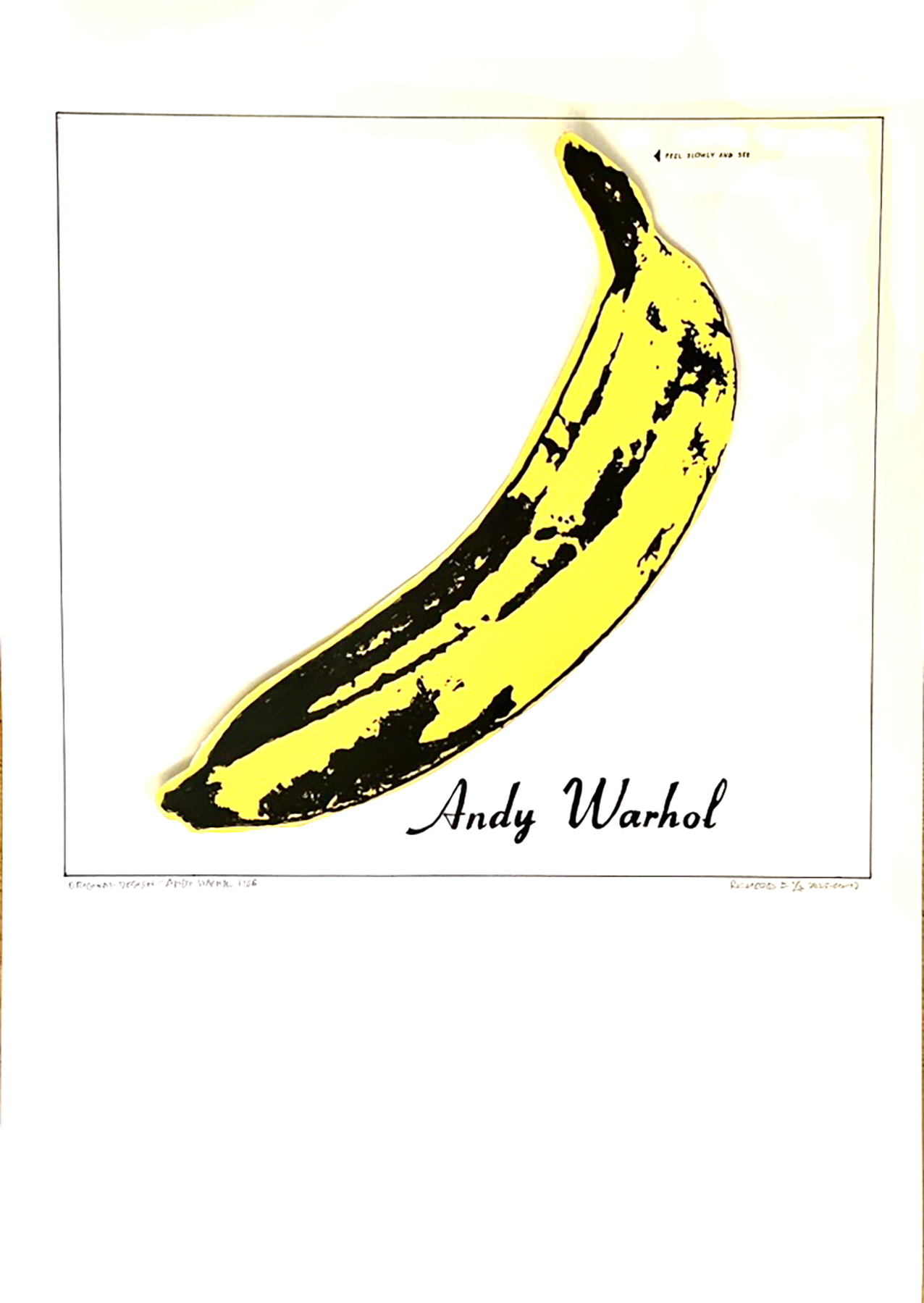
My series of paintings of records covers continues. I’ve now done seven: The Ramones, UFO’s Strangers in the Night, Kraftwerks’s Die Mench Maschine, Ian Dury’s Juke Box Dury, Led Zeppelin I, The Clash, and most recently the Sex Pistol’s Never Mind the Bollocks and the Velvet Underground & Nico with its removeable banana.

While I was busy painting these, I was reading Andy Warhol’s & Pat Hackett’s Popism: The Warhol ’60s and I came to 1966 when Warhol describes his first meeting the Velvet Underground in late 1965 and his interest in “getting into the music scene”. Warhol and Paul Morrissey had planned a Velvet Underground concert in early 1965, but the locale turned out to have been previously booked, and desperate, Paul and Andy overheard a conversation that the Polish Dance Hall, the Dom, on St Mark’s Place, was free during April and so Warhol rented it to put on what he intitially called the Erupting Plastic Inevitable—it wouldn’t be called the Exploding Plastic Inevitable until later.

Warhol put a half-page ad in the Village Voice:


Come blow your Mind
The Silver Dream Factory Present
ERUPTING PLASTIC INEVITABLE
with
Andy Warhol
The Velvet Underground
and
Nico

It was at the Dom, at one of the Plastic Inevitables, that Warhol met Eric Emerson who would later come to influence the Velvet Underground & Nico’s album release. At the end of April ’65, the Velvets along with other bands played at the opening of The Cheetah Club on Broadway and 53rd Street.

Warhol describes how he put up the money to rent a couple of days’ studio time at “one of those little recording studios on Broadway”. He was, of course, referring to the Scepter Studio run by Norman Dolph. According to Popism, Warhol, Paul Morrissey, Tom Wilson and Little Joey (whom Warhol describes as “The Factory gofer) were the only people in the control room (though I would guess Dolph was there, too.)

I think “put up the money” is something of a euphemism. Rumour has it that he paid Dolph with a Campbell’s Soup Can painting! Another of Warhol’s ways of settling accounts without having to dip into his pockets. According to Blake Gopnik, author of the definitive Warhol biography, Warhol “paid ” Giuseppe Rossi, the surgeon whon saved his life after he was shot by Valerie Solanas in June 1968, with seven Soup Can prints—apparently Rossi wasn’t worth the full set of ten prints!

Warhol says that the Velvets hadn’t included Nico originally as they didn’t want to be seen as a “back-up band for a chanteuse.” Warhol says “ironically, Lou had written the greatest songs for her to sing. Her voice, the words, and the sounds the Velvets made all were so magical together.”

When the lease on the Dom lapsed at the end of April, Warhol says they “only had time to record half the album in that Broadway studio” — “All Tomorrow’s Parties, There She Goes Again and I’m Waiting for the Man“. However, thanks to the discovery of the Scepter acetate, we now know that almost the full album was recorded. Dolph, in aaddition to owning the studio, was a sales executive at Columbia Records and sent the tape to Columbia but they declined, as did Atlantic Records (objecting to the drug references) and Elektra Records.

In May ’65, Warhol & the Velvets went to Los Angeles where Tom Wilson rerecorded I’m Waiting for the man, Venus in Furs and Heroin. The final track, Sunday Morning was recorded in Mayfair Recording Studios in Manhatten, in November 1966. MGM’s subsidiary company Verve Records agreed to release the album.

In Popism, Warhol describes his initial ideas for the cover design were a series of plastic surgery images, and Warhol had “sent Little Joey (the gofer) and his friend Dennis to medical supply houses for photographs and illustrations of nose jobs, breast jobs, ass jobs etc.—they brought me back hundreds!” Luckily, Warhol ditched that idea in favour of the now famous banana.

Warhol goes on to tell how he watched “a tall guy with dark curly hair step out of the elevator carrying a big manila envelope under his arm. … The guy didn’t know who to talk to and he just started wandering around, looking at the canvases, the screens, the vunyl, the plastic, the crumbling walls. If anybody “received” people at the Factory, it was Gerard (Malanga), but he’d just gone out to mail invitations to one of his poetry readings. The guy walked three-quarters of the way through the Factory till he saw me sitting in my corner and almost jumped—it was so hot, I hadn’t moved for an hour. He handed me the envelope. It was the from the artwork department at M-G-M records.

Warhol doesn’t say any more about the contents of that envelope. Did it have the famous rear cover picture with Eric Emerson’s head? When the album was eventually released in March 1967, Emerson demanded payment for the use of his picure, forcing Verve Records to recall as many albums as they could and sticking a black label over the back cover photo. They re-released the album with Emerson airbrushed out of the frame.

The rear cover with the sticker covering Emerson’s face.

The Rolling Stones – “El Mocambo 1977 +” a new bootleg box with Andy Warhol art

Both the Velvet Underground and The Rolling Stones hve been well served by Andy Warhol art. And not only on official releases but even on numerous bootlegs. When it comes to The Stones there was the 1985 “Emotional Tattoo” LP with one of Warhol’s portraits of Mick Jagger on the cover and the “Live in Laxington” LP (1979).

There are several Velvet Underground bootlegs that use Warhol’s art on their covers, ranging from the “Screen Test: Falling in Love With the Falling Spikes” (with three different colour variations on the colour), “More Bermuda Than Pizza” (1987) the “Paris 1990” album (1991), “Unripened” (2007) and “Live at the Gymnasium” (2011).

This year (2013) Red Tongue Records in Germany have released a lavish box set with soundboard recordings from the two Stones concerts at Toronto’s El Mocambo Tavern on 4th and 5th March 1977 and the concerts at the Oshawa Civic Auditorium on 22nd April 1979 as well as some studio tracks by Keith Richards recorded at Sound Interchange Recording Studios, Toronto, 12-13 March 1977. The two concerts at the Oshawa Civic Auditorium in Ottowa were put on as a charity show in aid of the CNIB (Canadian National Institute for the Blind) as a condition after Keith Richard’s trial for possession of 5 grammes of heroin.

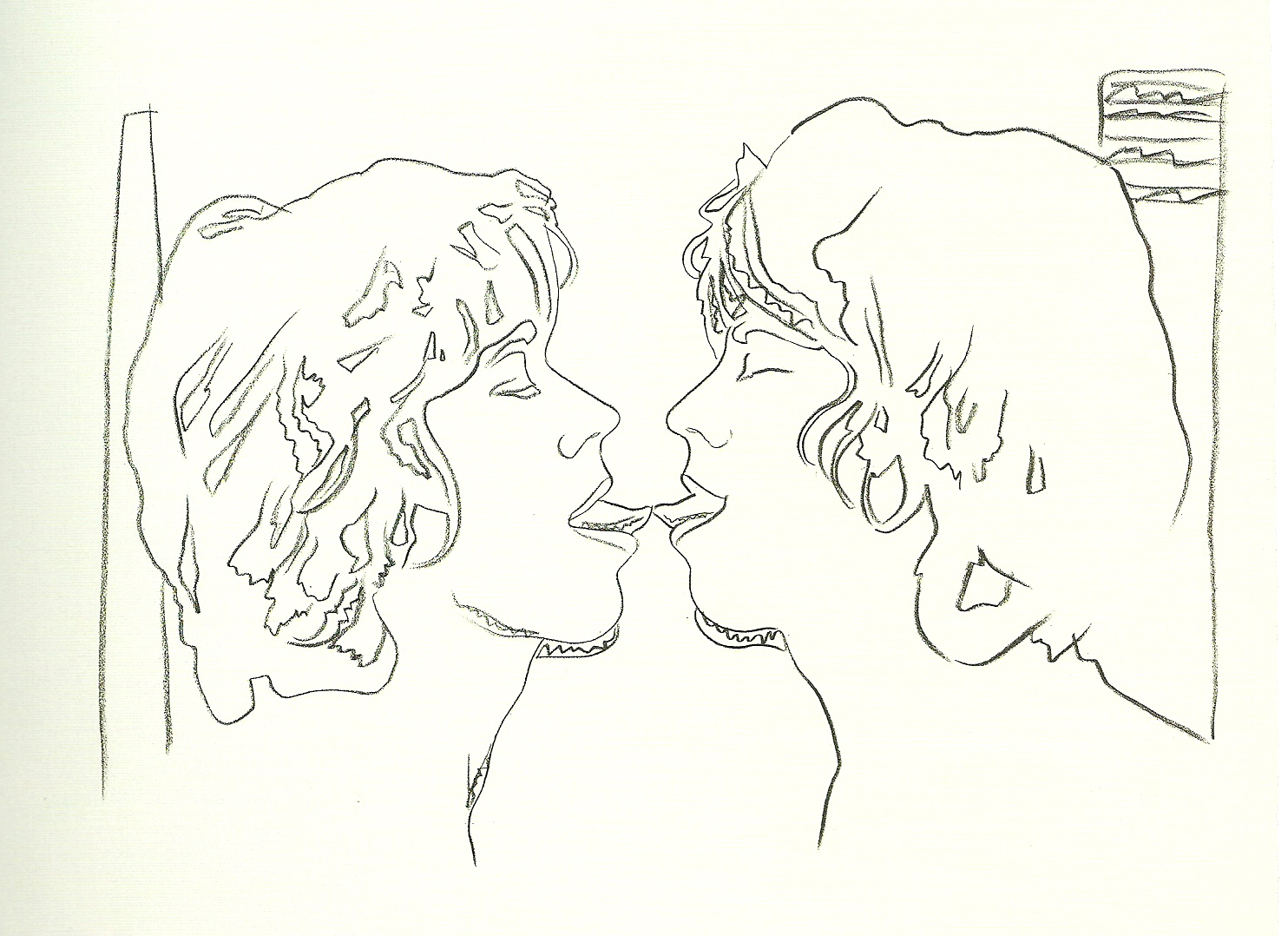
The box contains 36 tracks on both four 180 g vinyl records (3 white vinyl with some marbling and one red vinyl LP) and on 2 CDs. The box cover has a montage of Mick Jagger poking his tongue out at a girl – probably his daughter Jade* – who reciprocates. The box contains a folder with the same image. On the reverse of the box and the folder is a compoisite picture of two Mick Jaggers facing each other, over which the track titles are given.

Image

Stones_Mocambo_bok_bk

These portraits come from a series of prints. Here are the originals:

Jagger+jade_cropped

DoubleJagger_1975_cropped

It is perhaps quite logical that the album aret uses images like those on he Rolling Stones’ “Love You Live” album as four tracks, “Mannish Boy”, Crackin’ Up”, Little Red Rooster” and “Around and Around” recorded at El Mocambo were mixed down and released as side 3 of that album.

The box is released as a limited edition of 700 copies and costs around SEK 1000 – which I don’t consider too exorbitant.

*Thanks to Guy Minnebach for information on these images.

At last… The project is complete

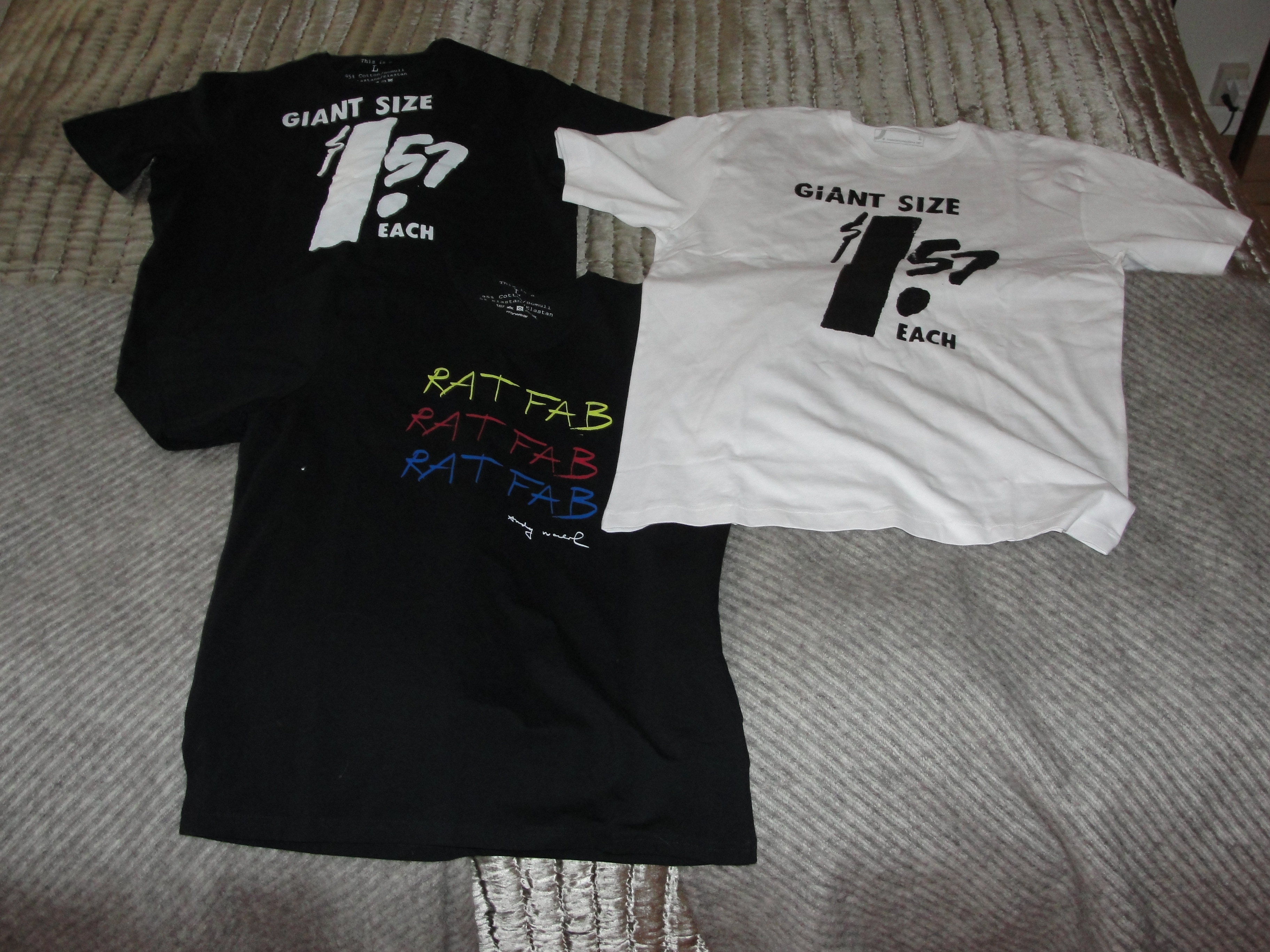
Followers of this blog will be happy to learn that I silkscreened T-shirts with the RATFAB design in sizes from ‘S’ to ‘XXL’. I’m pretty happy with the results. I also managed to print a couple more shirts with the “Giant Size $1.57 Each” design.

Image

I have now packed the sets of “Giant Size $1.57 Each” covers, the “Night Beat” boxes, the t-shirts and diverse other goodies and sent them off to my fellow Warhol Cover Club members. I hope the packages arrive in time for Christmas and that everyone is happy with my work!

I have also completed my “Progressive Piano” ten inch LP and seven inch EP set. My first attempts at making a cover for this unreleased record were for a ten inch cover and a single seven inch sleeve. All I had were copies of the lithographs of the cover images for both ten and seven inch versions, but no liner notes for the ten inch or reverse for the seven inch cover.

So I set about writing liner notes and making a layout for the reverse of the ten inch. I had to find, copy and add RCA logos, catalogue numbers and place them as they would have appeared had the record actually been released. My elementary Photoshop skills were not really up to doing a one hundred percent perfect job. But after much reworking I was satisfied and printed up slicks to glue to my already made card sleeves. Then all that remained was to fix the cover slick over the front of the cover. Voilá, a complete cover.

Image

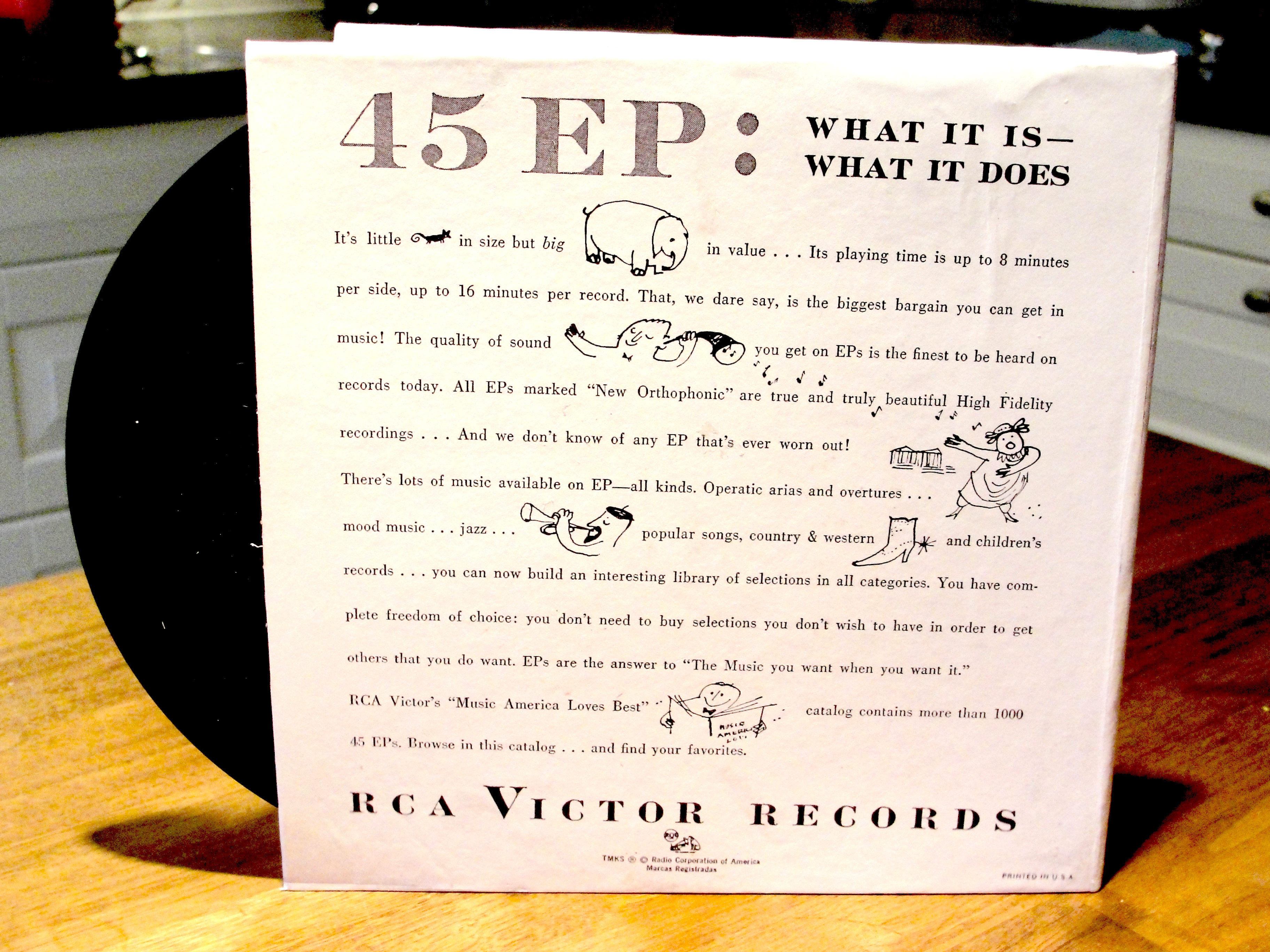
I thought making the seven inch sleeve would be a doddle. I printed the cover slick for the seven inch and copied the rear from another RCA seven inch EP and put the two together.

Image

But – this seven inch cover listed eight titles. And everyone knows that only four tracks will fit on a a seven inch EP. So this release would have had to be a DOUBLE EP. Oooh! So it was back to the drawing board.

This time I took the cover image from the ten inch version (I still can’t explain my reasoning on this), reduced it to the correct size for a seven inch and used the same rear cover design as I had for the single EP.

Image

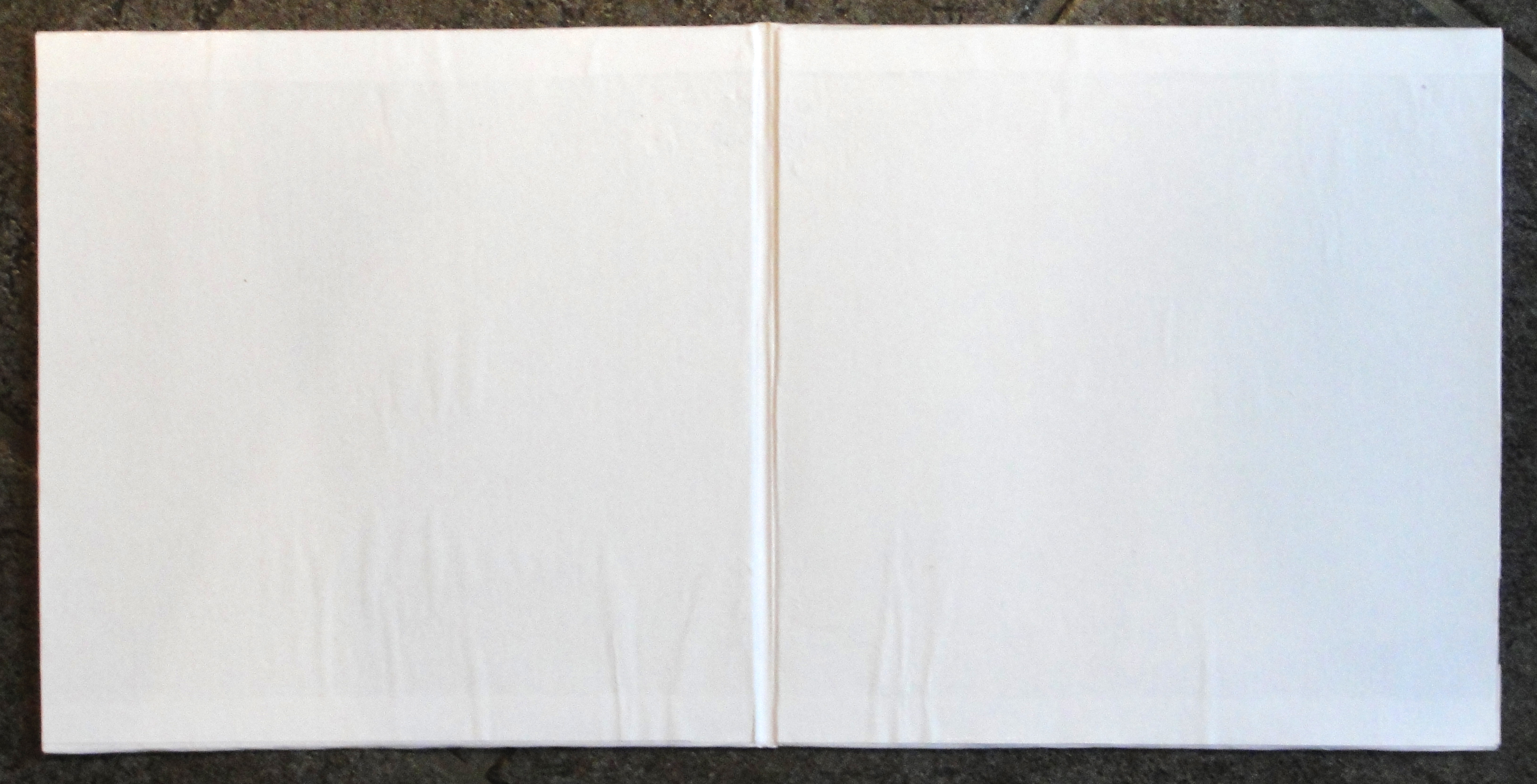
I had no inner liner notes so the inner spread was blank.

Image

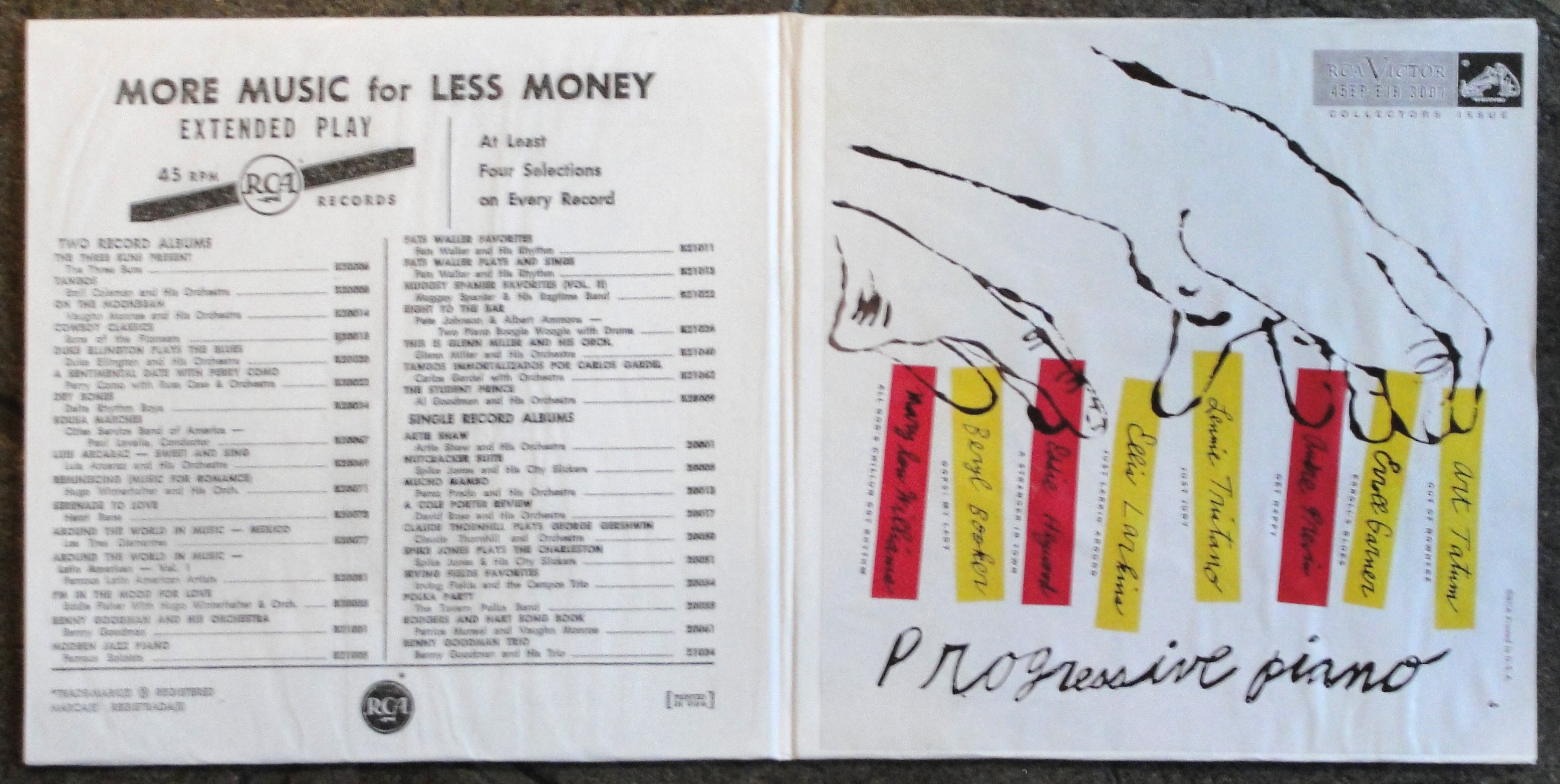
This, I decided, was totally unsatisfactory. I had to at least add a tracklisting and some liner notes if the reproduction was to be at all convincing. I went through a number of RCA gatefold EP sets and found an Ames Brothers EP from the early fifties that contained a list of other “Popular Long Play and Extended Play” titles, which I felt could be modified to suit my purposes. Said and done! I remade the layout of the liner notes I had already produced for the ten inch version of “Progressive Piano” and scaled them down and replaced the track listing. Then paired the liner notes with the list of popular jazz and classical titles that I had made after the list on the Ames Brothers’ EP.

Image

Then I made copies of the reverse from the seven inch “William Tell” double EP set – a design I have seen used on several of RCA’s gatefold seven inch EP sets and glued that to pre-cut cards in the form of a gatefold. Then stuck the inner within and – hey presto! – a more authentic gatefold “Progressive Piano” EP set.

Image

Finally, this design satisfied my obessional desire for accuracy.

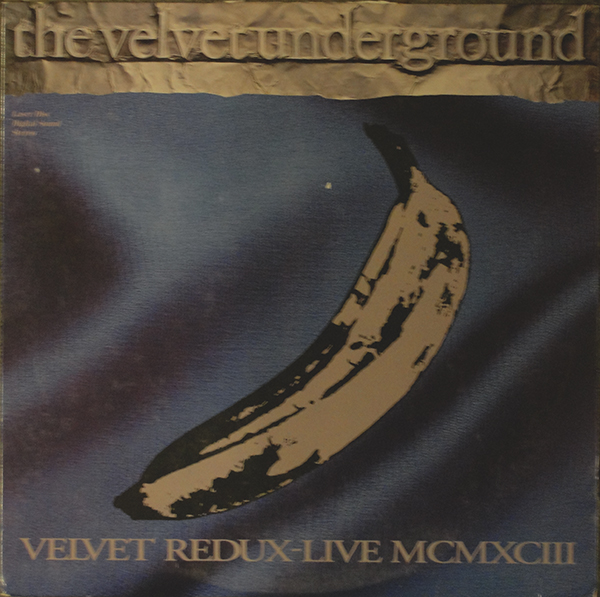
And, as if all this wasn’t enough, I received a copy of the Velvet Underground’s 1993 live album entitled “Velvet Redux – Live MCMXCIII” recorded in Paris on 15th-17th June 1993. The concert was released on double CD, abridged single CD, video and Laserdisc. I bought the laserdisc version as it has a 12″ LP-style cover.

Image

There are not many record or CD covers with an Andy Warhol connection that I am missing. I have saved myself a few thousand dollars by making my own copies of the rarest covers. I have the “Night Beat” box, “Waltzes by Johann Strauss, Jr.” and “Progressive Piano” covers in addition to all the other early Andy Warhol record sleeve art that I have collected.

Now, I need to think up some new projects to occupy my thoughts over the coming holidays.