I know that sometime ago I boasted that I had completed my collection of record covers designed by Damien Hirst. Well, I was premature. I have also said that that I own copies of all the records designed by Sir Peter Blake – again I was premature. At least I have never (yet) said I have every Warhol cover design.
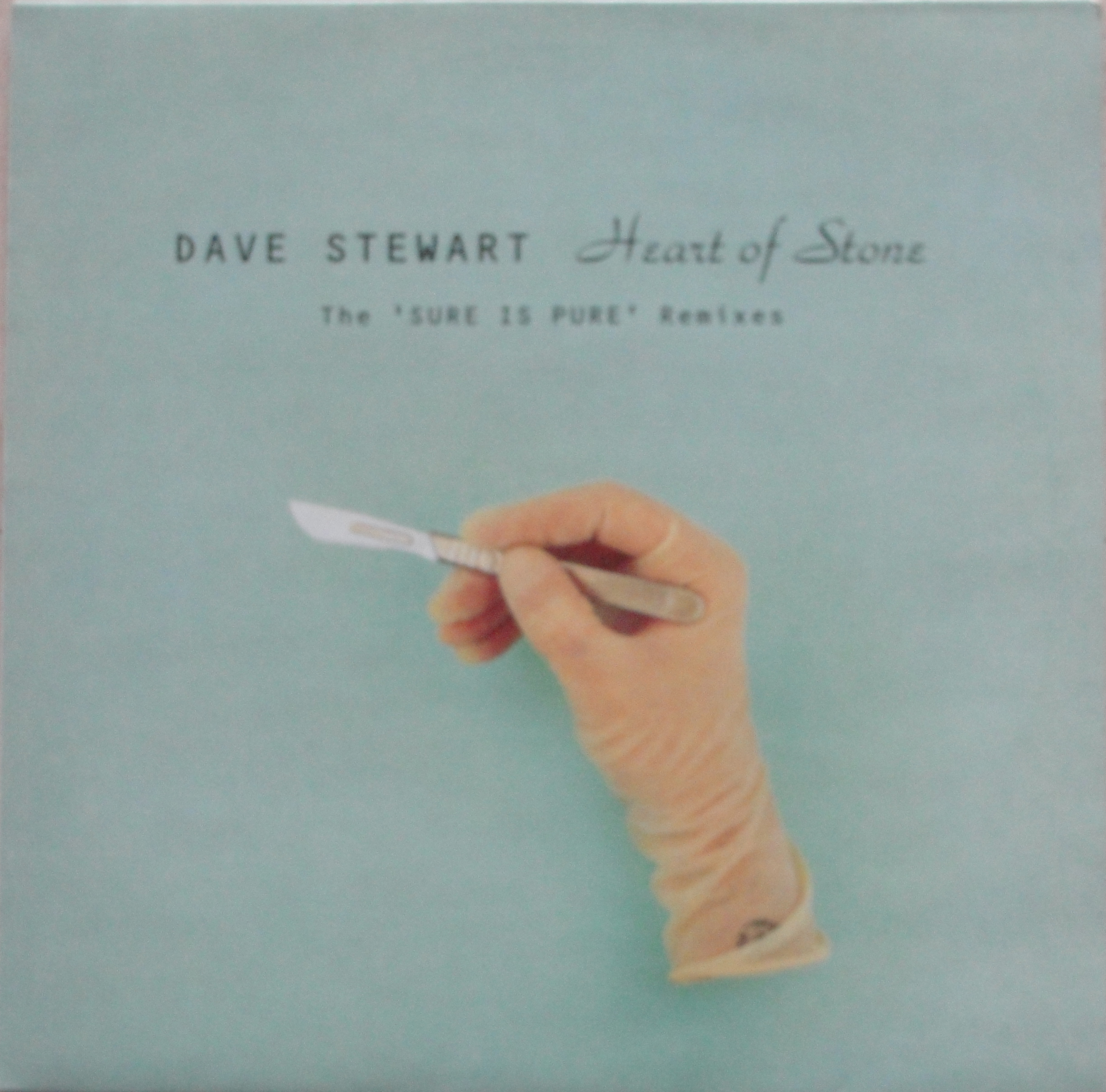
Like most collectors, I do regular Internet searches looking for new items designed by my favourite record sleeve designers. One regular Ebay vendor manages with surprising regularity to find covers that I have missed. You can imagine how irritated that makes me, particularly as these covers are usually quite difficult to find at other (cheaper) sites. Well, this vendor turned up a Dave Stewart 12″ maxi single of remixes of his “Heart of Stone” single. I couldn’t find another copy anywhere else at the time so I bought this one. It cost me an arm and a leg, but that’s he way it goes sometimes. When checking Dave Stewart’s discography later I found the there was another 12″ remix EP with cover art by Damien Hirst and Jason Beard. I managed to find a copy for $4 so that felt better.
Heart of Stone – The Dance Remixes, which cost me an arm and a leg.Heart of Stone – The Sure Is Pure Remixes. Bought for $4.
Just a few weeks ago I saw another little Damien Hirst gem on Ebay that I had never seen before. This time from a seller in the US. It was a promotional USB stick for The Hours’ album “See the Light”. The stick was shaped like a skull with clock faces in each eye socket – typical Damien Hirst! There cannot be many of these around as I haven’t seen one advertised before (there is one on Discogs just now). The asking price was $99 + shipping. It didn’t sell the first couple of times it was advertised, so I put in a cheeky bid of $50, which the vendor accepted! So now it has joined my collection.
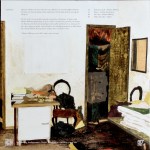
I was scanning different sites looking for any new Peter Blake cover art when I saw that an art gallery in Brighton was offering two limited edition posters of the cover art for Brian Wilson’s “Gettin’ in Over My Head” and Landscape’s “Manhattan Boogie-Woogie” albums. These were editions of 250 each and were 48.25 x 48.25 cm (19 x 19″) in size. They are priced at £1200 each! Peter Blake had told me about the four cover designs he had made that were never used. The Landscape design was one and thus I didn’t have the cover. The other three were for albums by Steeleye Span, Ray Davies and Robbie Williams. Apparently the Steeleye Span and Ray Davies designs are lost. Robbie Williams wanted to use his portrait by Peter Blake on a cover but the record company refused.
Well, I got hold of a high definition file of the “Manhattan Boogie-Woogie” print and scaled it down to LP format and printed a poster and several record album slicks. I took my copy of the Landscape album and photographed the back cover and got it printed in LP format and stuck the front and back together to make a sort of album cover for my collection. I don’t dare say my Peter Blake album collection is complete, though, just in case one of the “lost” covers turns up sometime!
Peter Blake’s cover design for Landscape’s “Manhattan Boogie-Woogie” album.
Well – Sir Peter Blake, Damien Hirst, Banksy and Klaus Voormann are all still alive and kicking, so hopefully more covers will come from all of them. I hope I shall be around to collect them.
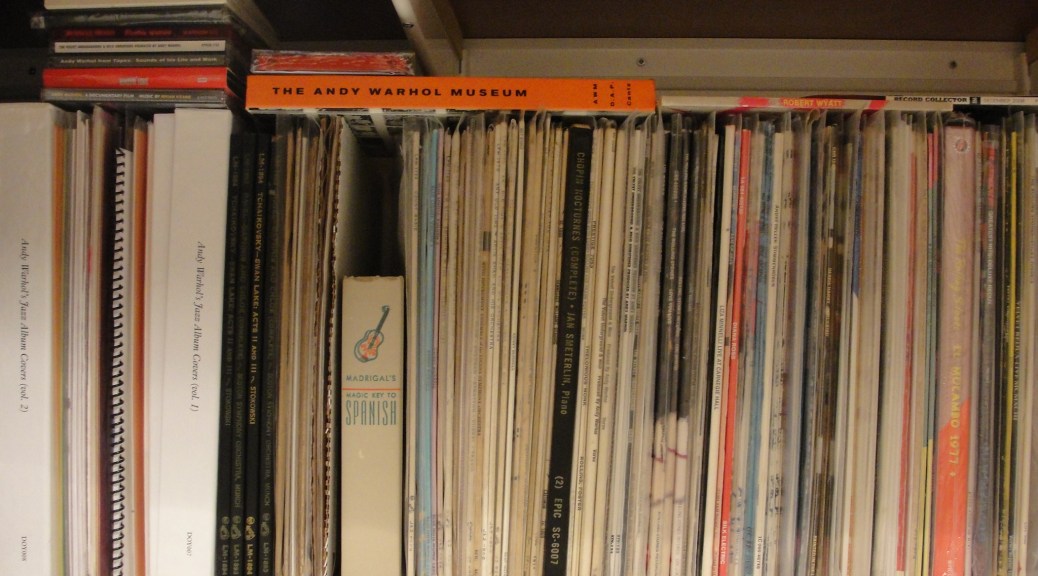
After three years in storage, I have at last brought my collection of Andy Warhol’s record covers home and managed to go through the collection. I am happy to say that none of the records or sleeves seems to have suffered any damage. Now I know what covers I have managed to accumulate and which are missing. The next step will be to photograph all the covers that I have not previously photographed. Many covers need new plastic protective sleeves, so that will also have to be attended to.
The picture above only includes my long playing albums, twelve inch singles and EPs together with a few compact discs. I have saved the seven inch singles and EPs together with the majority of CDs in another cupboard.
Going through the collection has been a treat. I have some lovely covers in my collection and it is great now to be able to botanise among them. I find that I have some covers I thought I was missing, such as the first Kenny Burrell LP the original BLP 1543
Kenny Burrell BLP 1543.
Blue Note pressing as well as the Liberty Records re-issue in fake stereo that I knew I had.
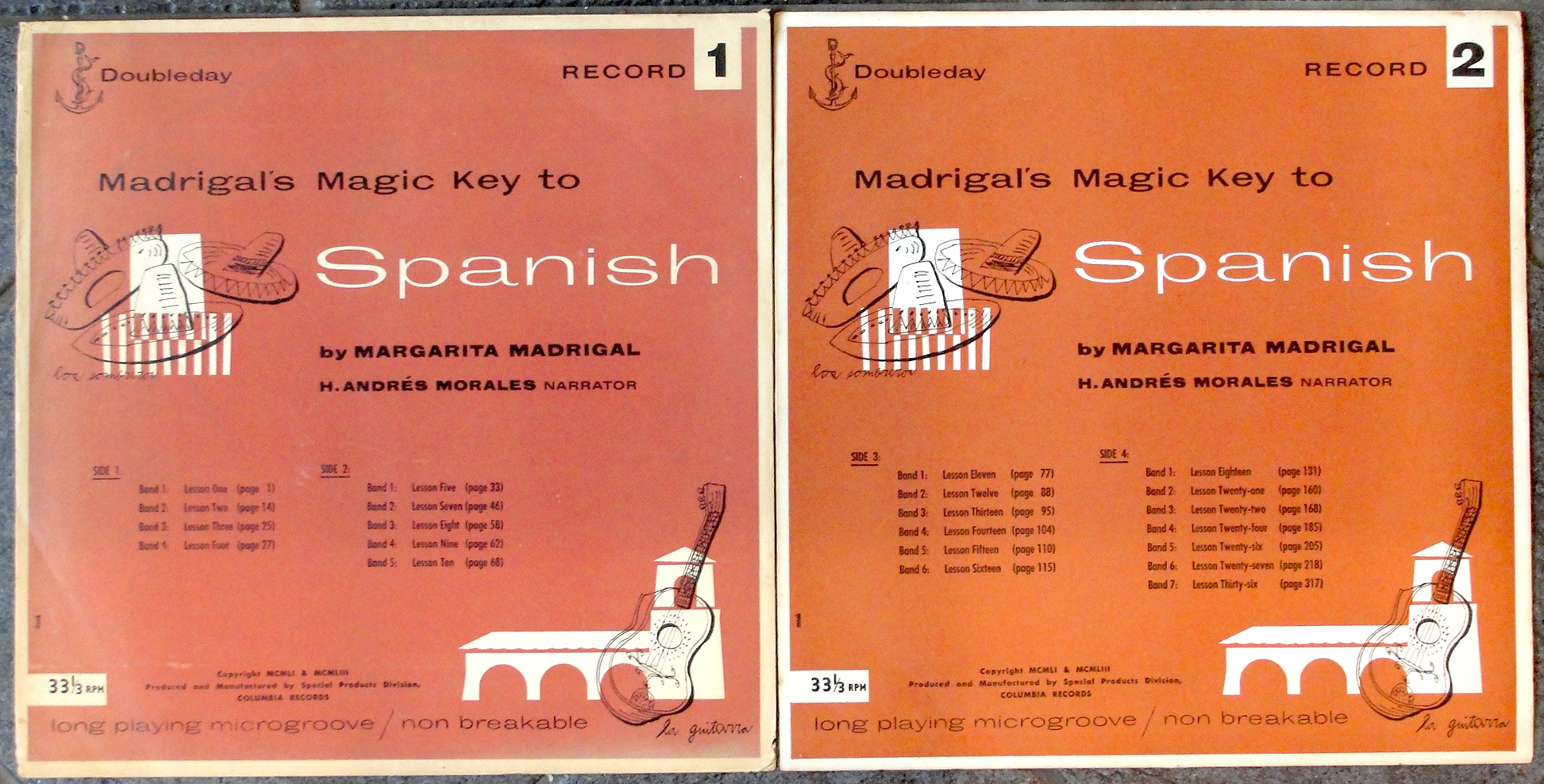
I could photograph both volumes of Margarita Madrigal’ “Magic Key to Spanish” LPs together, too.
Margarita Madrigal Records 1 & 2.
Just being able to check that every record was still in good condition was a relief. I could also sort them into some kind of order and replace worn or dirty plastic protective sleeves.
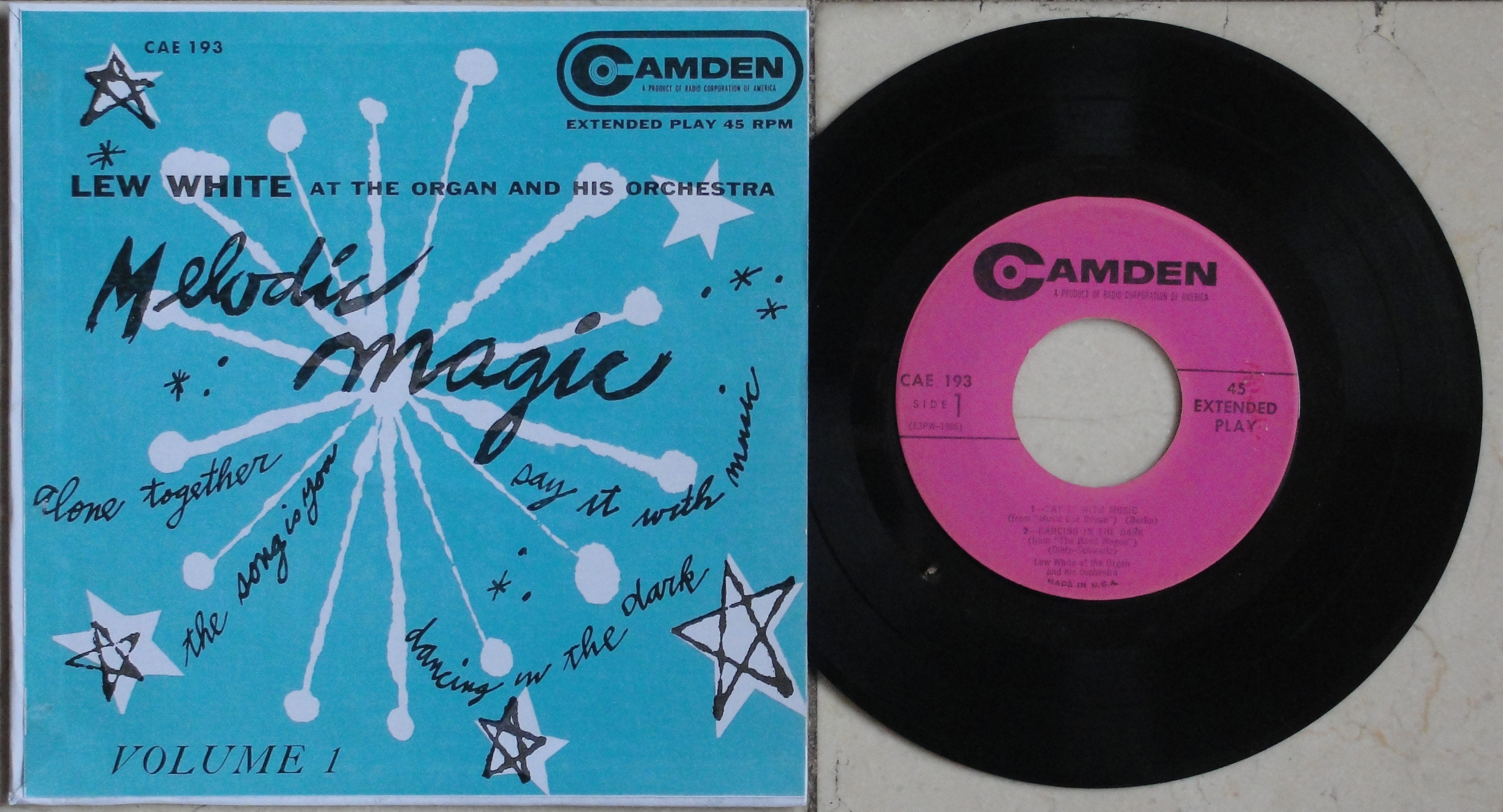
I must have gone bonkers! I have wasted a couple of days compiling a list of seven inch 45 RPM EPs on the RCA Camden label. “Why?”, I hear you ask. Well, Andy Warhol designed covers for a couple of them and some collectors have submitted some other Camden EP covers, wondering whether they could also be by Warhol – usually they are not. So, I began to go through all the RCA Camden EPs that I could find to see if there could be any so far unrecognised Warhol covers among them.
The RCA Camden label was/is a budget subsidiary of the Radio Company of America (RCA, to you.) RCA invented the seven inch 45 RPM format and tried to introduce it as an alternative to 78 RPM discs in about 1949 – the year after Columbia Records introduced the LP. Ultimately, RCA was also forced to adopt the LP format, but continued to release seven inch EPs throughout the 1950s and 1960s. As far as I can ascertain Camden EPs were given catologue numbers starting at CAE 100 and the last that I have been able to identify is CAE 448.
I have scoured Discogs and Ebay and made Internet searches and I have thus far been able to find and list 105 Camden EPs and will continue to add more as I find them. I have been able to find pictures of the majority of their covers, too. But so far no new Warhol designs. But, not wishing to waste my hard work, I will share my list with you here.
Cat No—–Artist———————–Title—————————————–
CAE 100 The Cosmopolitan Orchestra – World Wide Favorites
CAE 101 Warwick Symphony Orchestra – Sibelius: Finlandia / Wagner: Die Walküre
CAE 104 Festival Concert Orchestra – Vienna Jubilee
CAE 106 Festival Concert Orchestra – Johann Strauss, Jr. / Josef Strauss – Loves of the Poet Waltz, Opus 38.
CAE 108 Kenny Baker – Beloved Songs
CAE 110 The Goldman Band – Sousa Marches
CAE 113 Ray Kinney & His Coral Islanders – Blue Hawaii
CAE 114 Texas Jim Robertson – Home on the Range
CAE 115 Joe Reichman with Rhythm Accompaniments – Make Believe Piano Moods
CAE 118 Capitol City Four – Let’s Harmonize (Barber Shop Ballads)
CAE 124 Caroleers & Yuletide Choristers Caroleers & Yuletide Choristers
CAE 125 Carollers & Yuletide Choristers Christmas Day
CAE 126 Lew White – Christmas Time
CAE 127 Richard Crooks with Orchestra – Vintage Blue Ribbons
CAE 131 Harold Coates & His Orchestra – Waltzes You Love
CAE 133 Donald Dame Lonesome – That’s All / A Little Love, a Little Kiss / Kathleen Mavourneen / I’ll Take You Home Again, Kathleen
CAE 135 Festival Concert Orchestra – World Wide Favorites
CAE 142 Festival Concert Orchestra – Favorite Encores
CAE 143 Lew White – Organ Cameos
CAE 151 Festival Concert Orchestra – Aïda Ballet Suite/ Coppelia Ballet Suite
CAE 158 Johann Strauss Jr – Waltzes by Johann Strauss Jr
CAE 159 Harold Coates’ Orchestra – Top Show Tunes
CAE 162 Festival Concert Orchestra – Viennese Concert Waltzes
CAE 163 George M. Cohan / Harold Coates Orchestra – George M. Cohan Hits
CAE 164 Ray Kinney & His Coral Islanders – Hawaiian Favorites
CAE 166 The Goldman Band – Manhattan Beach / Semper Fidelus / Fairest of the Fair / High School Cadets
CAE 172 Harold Coates’ Orchestra, Chorus & Soloists – Song Hits from Frank Loesser’s Guys & Dolls. Vol 1
CAE 179 Globe Symphony Orchestra – Handel: The Faithful Shepherd Suite
CAE 185 Richard Crooks – Songs of Faith
CAE 187 Warwick Symphony Orchestra – Tchaikovsy: Dances from the Nutcracker Suite
CAE 188 Warwick Symphony Orchestra – Debussy: Clair de Lune / Sibelius: Valse Triste / Schubert: Moment Musical
CAE 193 Lew White & His Orchestra – Melodic Magic
CAE 208 Richard Crooks – Christmas Songs
CAE 209 Charles M. Courboin – Ave Maria / Ave Verum / Silent Night / Holy God, We Praise Thy Name
CAE 214 Festival Concert Orchestra – Strauss Encores
CAE 223 Cosmopolitan Orchestra / Harian Ramsey – Latin Rhythms for Dancing
CAE 224 Mindy Carson with Orchestra – The Touch of Your Lips / Together / The Best Things in Life Are Free / You Are the Cream in My Coffee
CAE 244 William Primrose – Encores by William Primrose
CAE 225 Don Cornell with Orchestra – Don Cornell Sings
CAE 227 Morton Downey – Sings
CAE 229 Harold Coates Orchestra – Show Tunes That Linger, Vol 1
CAE 231 Dick Liebert – Musical Dreams
CAE 251 William Primrose William – Primrose Plays
CAE 256 Warwick Symphony Orchestra – Eight Russian Folk Songs
CAE 259 Xavier Cugat – That Latin Beat!
CAE 260 Johnny Desmond with The Page Cavanagh Trio – Guilty / I’ll Close My Eyes / Just Plain Love / If It’s True
CAE 263 Snooky Larson with Johnny Guarnieri & His Orchestra – Earth Angel / Sincerely / Tweedle Dee / Unsuspecting Heart
CAE 265 Guy Lombardo & His Canadians – Guy Lombardo Plays
CAE 268 Tommy Dorsey – Plays, Vol 1
CAE 271 Sammy Kaye & His Orchestra – Easter Parade / Baby Face / Begin the Beguine/ Pretty Baby
CAE 279 Frank Parker – Sings for You
CAE 280 Lena Horne – St. Louis Blues
CAE 284 Frank Parker – Great Religious Songs
CAE 285 Jack Haskell / Jeannie McKeon with Johnnny Guarnieri – Today’s Hits
CAE 288 Fran Warren – Sings Harold Arlen Songs
CAE 289 Giselle MacKenzie – Today’s Hits
CAE 291 Paul Wing – Favorite Stories for Children
CAE 299 Kukla, Fran & Ollie – Here We Are
CAE 301 Charlie Spivak & His Orchestra, Honey Drippers & Audrey Morris – Today’s Hits
CAE 304 Bob Carroll with Alvy West & His Orchestra – Today’s Hits
CAE 305 Jack Haskell / Jose Melis &His Trio – Today’s Hits
CAE 308 Guy Lombardo & His Royal Canadians – Guy Lombardo Favorites
CAE 310 Jesse Crawford – Plays for You
CAE 312 Wayne King – The Waltz King
CAE 315 Frank Parker – Sings Songs of Easter
CAE 320 Freddy Martin & His Orchestra Dance – Party with Freddy Martin & His Orchestra
CAE 321 Wayne King – Let’s Dance!
CAE 323 Chopin – Josef Lhevinne Plays Chopin
CAE 327 Wayne King – The Wayne King Style
CAE 329 Tex Beneke & His Orchestra – Today’s Hits
CAE 330 Earl Sheldon The Honey Dreamers
CAE 332 Polly Stevens – Today’s Hits
CAE 337 Johnny Guarnieri & His Group with The Townsmen – Friendly Persuasion / The Bus Stop Song / Just Walking in the Rain / Blueberry Hill
CAE 345 Xavier Cugat & His Waldorf-Astoria Orchestra – That Latin Bea!
CAE 346 Tony Mottola & His All-Stars – Cocktail Time
CAE 348 Henri René & His Orchestra – Pretend
CAE 350 The Delta Rhythm Boys – Dry Bones / September Song / My Blue Heaven / St. Louis Blues
CAE 352 Freddy Martin & His Orchestra – Make Believe
CAE 354 Tex Beneke & His Orchestra – Star Dust / Lazy Bones / Georgia On My Mind / Rockin’ Chair
CAE 354 Dick Liebert at the Organ – Musical Reflections
CAE 358 Ralph Flanagan & His Orchestra – Dancing Down Broadway
CAE 372 Domenico Savino & The Rome Festival Orchestra – O Come All Ye Faithful (Adeste Fidelis)
CAE 375 Jack Say & His Orchestra – The Best from Frank Loesser’s The Most Happy Fella
CAE 376 Dinah Shore – Dinah Shore
CAE 377 Tex Beneke & His Orchestra – Swinging Marches
CAE 380 Lena Horne – Lena Horne Sings The Blues
CAE 388 Vaughn Monroe & His Orchestra – Meet Me Tonight in Dreamland
CAE 400 Tex Beneke & His Orchestra – Petticoats of Portugal / Hey! Jealous Lover / Singing the Blues /
Tra La La
CAE 403 George de Witt – Today’s Hits
CAE 410 Perry Como – Dream Along With Me
CAE 411 Little Richard – Every Hour / I Brought It on Myself / Ain’t Nothin’ Happenin’ / Why Did You Leave Me?
CAE 416 Little Richard – Little Richard
CAE 417 Red Callender – The Red Callender Sextet
CAE 419 Art Tatum – Art Tatum
CAE 423 Buddy Morrow & His Orchestra – Let’s Have a Dance Party!
CAE 429 Shep Fields & His Rippling Rhythm Orchestra – Ripplin’ Rhythm
CAE 431 Johnny Guarnieri & His Group – Side by Side
CAE 433 George de Witt /Earl Sheldon & Orchestra – Young Blood / Love Letters in the Sand / Bye Bye Love / White
Sports Coat
CAE 434 Peter Ricardo & His Calypso – Take Her to Jamaica
CAE 441 Lionel Hampton & His Orchestra – Jivin’ the Vibres / Drum Stomp / Piano Stomp / Muskrat Ramble
CAE 442 Al Goodman – South Pacific
CAE 443 Perry Como – Perry Como
CAE 446 Little Richard – Little Richard Rocks!
CAE 448 Dave Martin & His Group with The Strollers – The Stroll
————————————————————————————————————-
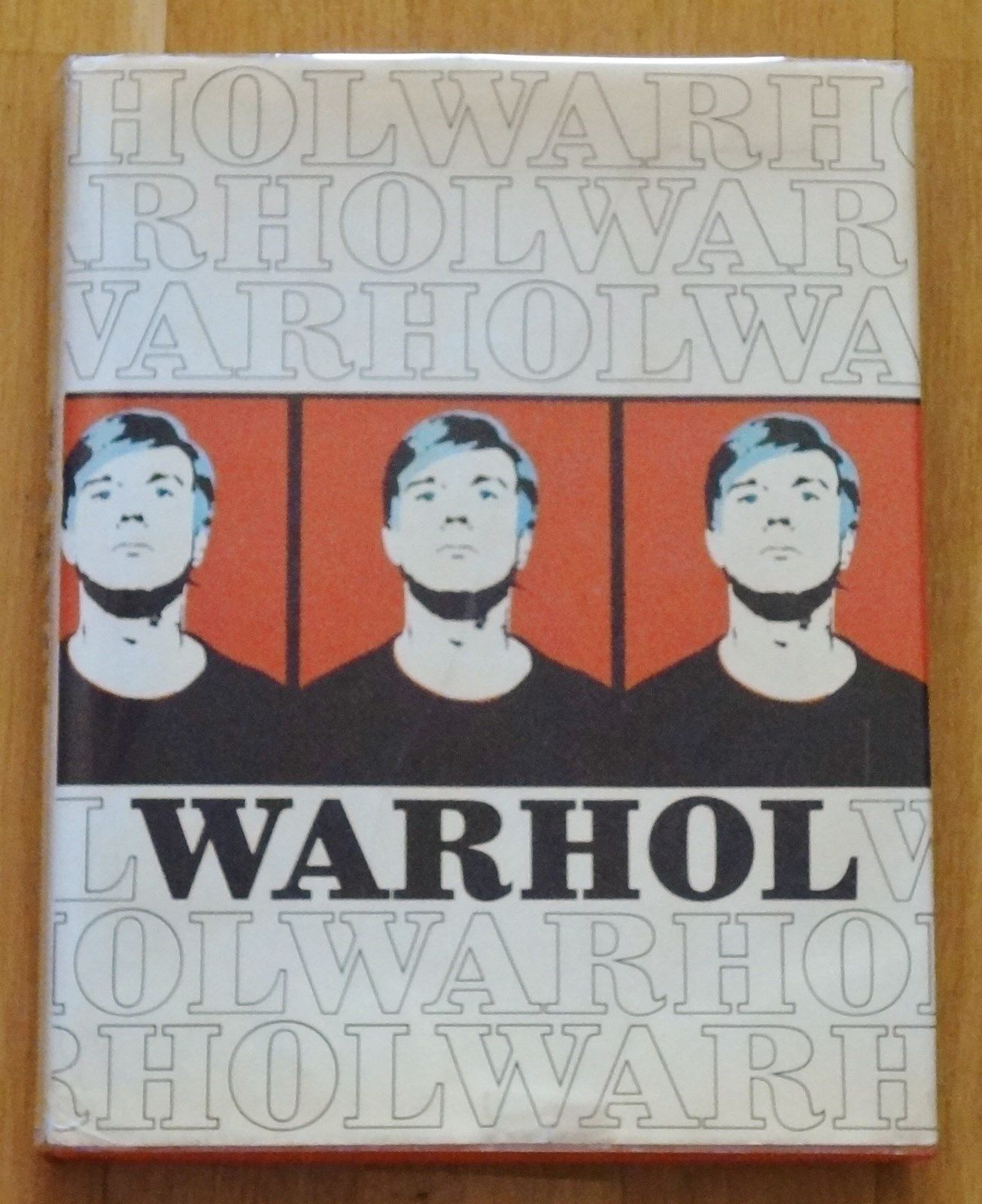
To date, only two Camden EPs have been identified that have cover art by Andy Warhol. These are: CAE 158 “Waltzes by Johann Strauss, Jr.” and CAE 193, Lew White – “Melodic Magic”. The “Waltzes” EP has already been included in Paul Maréchal’s cataogue raisonné öover Warhol’s record covers and the Lew White will appear in the second edition, which will be published in 2015.
Currently, there is a copy of CAE 188 “Debussy – Clair de Lune / Sibelius – Valse Triste / Schubert – Moment Musical” on Ebay as a possible Warhol cover at an asking price $199. It is obviously NOT by Warhol. CAE 214 “Strauss Encores” has also been suggested to have been illustrated by Warhol, but combined expertise has concluded that while the shoes and boots are very much in the Warhol style, the heels are not right.
Camden CAE 158 – Waltzes by Johann Strauss, Jr.
I wish readers much joy from this list – although I cannot imagine why anyone would be interested! Merry Christmas to all my readers
Although Andy Warhol designed or illustrated over sixty record covers during his life, his reputation as a cover designer is mainly based on his two best-known sleeve designs: the “banana” cover for The Velvet Underground & Nico and the zip cover for The Rolling Stones’ “Sticky Fingers” album. Of course, Warhol also designed The Stones’ “Love You Live” cover and a greatest hits cover that Mick Jagger apparently rejected and which seems to have be lost. When it comes to bootleg albums The Stones are second only to The Velvet Underground when it comes to the number that use Andy Warhol’s art.
There are at least four Stones bootlegs that use Warhol’s art. These are “Emotional Tattoo”, “Live at Laxington”, “Mick Jagger in Japan” and the box set “El Mocambo 1977 +”. The first three of these all use one of Warhol’s Mick Jagger portraits originally sold in 1975 in a folio of ten silkscreens signed by both Andy Warhol and Mick Jagger. I had the opportunity to buy one of these sets at that time but turned them down as I thought the prints were ugly! A miss as gross as Patricia Caulfield’s refusal to accept two sets of Warhol’s “Flowers” as compensation for him using her photo as the basis for the paintings/prints . She demanded money instead!
Emotional Tattoo
This bootleg was originally released in Germany in December 1983 and included tracks recorded during sessions in 1981 and 1982 for the albums “Emotional Rescue” and “Tattoo You”. The cover was rather poorly printed with Warhol’s portrait of Mick Jagger on the front and a picture of ET on the reverse. Guy Minnebach tells me that ET was chosen for the cover as from an abbreviation of the record’s title and the fact that the film was very popular at the time the record came out.
The rear of the 1985 cover with ET.The original 1985 front cover with the unsigned portrait.
The 1983 release was originally on black vinyl but sometime later copies appeared on orange vinyl housed in a cover identical to the black vinyl release and with the same catalogue number ID 1266.
Late in 2013, or perhaps early in 2014, a new version of the album appeared. Copies on green vinyl appeared on Ebay first from Portugal. This new pressing is a numbered edition of 350 and has the catalogue number RST-ST 01. The cover printing is of much better quality and the front cover portrait of Mick Jagger is now signed by Andy Warhol. ET has been banished from the rear and all ten of Warhol’s portraits of Jagger are pictured. There are also copies on black vinyl also in a numbered edition of 350 with an identical cover to the green vinyl issue. There is no indication on the cover as to which vinyl colour is included.
The front cover of the 2013 album. Note the improved colouring and Warhol’s signature at the bottom.The rear of the 2013 re-issue album. Cleaner and better designed than the original.
It is possible that there are two editions of 350 copies each; one each for the green and black vinyl releases. I have not been able to ascertain whether there are, in fact, 700 albums in the new series or only a single series of 350. As I write this (December 2014) copies of these new pressings have been selling for around €200 each for both the green and black vinyl versions, but prices seem to be coming down. Copies of the 1983 issue have been priced at $300-500, which, in my opinion, is ridiculous.
2008 – Forrest, Richard -“Happy Birthday, Andy Warhol” – Exhibition catalogue . Piteå Museum.
2008 – Maréchal, Paul – “Andy Warhol: The Record Covers, 1949-1987. Catalogue Raisonné” – Prestel. pp 236.
2008 – Forrest, Richard – “His Art on His Sleeve” – Record Collector, December 2008.
2011 – Martinelli, Bianca – “Andy Warhol Music Show”. Castelvecchi, pp 256 (in Italian).
There were two record shops selling albums imported from America in central London from the late sixties on; One Stop Records in South Moulton Street and Musicland in Berwick Street. Well, it all started for me in the summer of ’67 when I went into One Stop Records – behind HMV’s Oxford Street store. I was a regular visitor there but never did learn the names of the extremely knowledgeable guys who worked there. They sort of knew me as a regular customer, and one summer’s day showed me an album with a banana on the cover. The album was by a band I’d never heard of apparently (according to the record cover) called Andy Warhol. I was corrected that the band was The Velvet Underground & Nico and that the record was something completely psychedelic. So I bought it. My copy was, I was to find out much later, a second pressing – with Eric Emerson’s features on the rear cover airbrushed out. I really did not enjoy the music at first, it was way too jangly and difficult and I was definitely not enamoured of the druggy sound. The next year I was given a US import copy of The Velvet’s album “White Light/White Heat” with the skull cover.
Fast forward four years to April 1971. The pre-release hype for The Rolling Stones’ new album, Sticky Fingers – the first to be released on their own Rolling Stones label – made me dash down to Musicland in Berwick Street to buy a copy in the first week after it was released. The cover, with its working zip, was revolutionary. So, I had three records with cover art by Andy Warhol. In 1971 the Tate Gallery (now The Tate Britain) had an exhibition of Andy Warhol’s art. My particular memory of this retrospective is the Flowers paintings, which I fell in love with.
I moved to Sweden in the autumn of 1971. Ten years later in October 1981, Stockholm’s Nationalmuseum hosted an exhibition of record cover art, entitled simply “Skivomslag” (Record Covers). The exhibition had been put together by Aarhus kunstmuseum and included (assuming I have counted correctly) 717 covers. In the exhibition catalogue, Bo Nilsson wrote what I read as the first description of Warhol’s record cover art and his essay included pictures of seven covers; two by Kenny Burrell, Johnny Griffin’s “The Congregation”, The Velvet Underground & Nico (in colour) and The Rolling Stones’ “Sticky Fingers” and “Love You Live”. Nilsson also mentions “The Nation’s Nightmare” and the Count Basie album, which he says was entitled “Portrait”. Those were, apparently, all the covers known to be by Warhol at that time. There is an alternative catalogue entitled “Ytans innehåll” (approximately: The surface’s content), with a similar “banana” cover but with the banana’s stem peeled bact to reveal the top of the pink banana beneath. I have the exhibition poster beautifully autographed by Warhol.
On Father’s Day (in Sweden, celebrated in November) the following year (1982) I was given a copy of Diana Ross’ LP “Silk Electric” with it’s Warhol cover. My fourth Warhol cover. Now I had a collection! From then on I decided I would collect every record cover with Andy Warhol’s art. After all, I did not think it would be too difficult – there could not be too many – or so I thought.
There were several more records with cover art by Andy Warhol released in the 1980s, Paul Anka’s “The Painter”, Aretha Franklin’s “Aretha”, John Lennon’s “Menlove Ave” and it was easy to collect these. I even managed to collect all four colour variations of Debbie Harry’s “Rockbird” album, thinking that it had been designed by Warhol. I assumed that the photo of Debbie was one of those Warhol had taken for his Interview magazine. It was only much later that I found out the photo was by Canadian couple “Guzman” (Constance Hansen & Russell Peacock) and that the cover was really designed by Stephen Sprouse.
The advent of the Internet made searching for record covers easy: no more dragging round secondhand record shops in the hope of finding the odd cover I needed. I soon found out that there were many covers designed or illustrated by Warhol from before The Velvet Underground & Nico album. By about 2005 I had found the Kenny Burrell and Johnny Griffin albums with Warhol’s drawings as well as the “Cool Gabriels” LP. Somehow I got to know Guy Minnebach via the ‘Net. He tipped me off on a number of covers such as the Smetterling recording of Chopin’s Nocturnes, Carlos Chavez’s “A Program of Mexican Music”, “Alexander Nevsky” and even sold me his duplicates of “The Nation’s Nightmare”, “WIlliam Tell Overture” 10″ LP. Guy also told me about Klaus Gier’s 2001 German thesis entitled “Andy Warhol’s Record- und Cover Design. I managed to get a copy in May 2008. The covers pictured in the thesis came from collector Klaus Knop’s collection, which included a copy of “Giant Size $1.57 Each” numbered 21/75 pictured on the book’s front and rear cover.
The next book I bought was the giant 320 x 420 x 55 mm “Andy Warhol: Giant Size” published by Phaidon in January 2006. This was the first book that I had come across that included some record covers in a review of Warhol’s art. The book’s title, while confirming the original editions huge dimensions, it also alludes to Warhol’s famous 1963 record cover “Giant Size $1.57 Each”. There was, of course, a picture of “The Velvet Underground & Nico” and also Nico’s “Chelsea Girl” cover and the Count Basie cover.
Andy Warhol’s Giant Size, published in a giant format.
Though originally published in 2003, I did not buy Nick de Ville’s beautifully researched, large format book “Album – Style and Image in Sleeve Design” until February 2007. Nick de Ville is, of course, a famous cover designer having been involved in designing many of Roxy Music’s covers. His is one of the best books to document great record cover design in a chronological manner, from the beginnings of record production via Alex Steinweiss and his protegé Jim Flora up to the 1990s with a double spread devoted to Andy Warhol. The Left hand page shows “The Velvet Underground & Nico” almost full size while smaller pictures on the right hand page show Kenny Burrell’s “Kenny Burrell”, John Lennon’s “Menlove Ave”, The Rolling Stones’ “Sticky Fingers” and Diana Ross’ “Silk Electric”. De Ville also mentions Aretha Franklin’s “Aretha, Paul Anka’s “The Painter” and the Stones’ “Love You Live” but seems unaware of Warhol’s record covers from before the “The Velvet Underground & Nico” cover.
The catalogue from Moderna Museet’s exhibition “Andy Warhol: 706 Items in 2 Hours 56 Minutes”.
Stockholm’s Moderna Museet hosted the Warhol retrospective that I had seen at The Haywood Gallery in London in May 2008 and I bought the catalogue “Andy Warhol – A Guide to 706 Items in 2 Hours 56 Minutes”. If I remember correctly, there were 26 album covers shown at the exhibition and the catalogue shows twelve of them. By that time I already had more than twenty six in my collection!
From 1999, I had been associated with the Piteå Dansar & Ler city festival held on the last weekend of July each year. Jan Wimander, for a time the festival’s CEO, and I had discussed putting on an “art exhibition” to broaden the festival’s appeal. Jan knew about my collection of Warhol covers and we discussed showing them at Piteå’s museum, which happened to be just outside the festival area. So, we planned to put on the exhibition to coincide with 2008’s festival. There were several important covers that I did not have to make the list of covers complete and I explained the project to Guy. He was reticent at first, as he had been told of the upcoming “Warhol Live!” exhibition to open in Montreal, Canada, in October 2008. But he agreed to help Jan and me and sent several rare covers to me to be photographed for inclusion in our exhibition. I wrote a catalogue text and catalogues were printed. The exhibition was to run from 23rd July to 31st August 2008. Andy Warhol’s birthday was 6th August and in 2008 he would have been 80, so the exhibition was called “Happy Birthday, Andy Warhol!” Guy Minnebach not only lent me the missing covers, but came to help with the hanging of the covers and to be at the exhibition’s opening.
After the festival I rewrote the catalogue and submitted an article to Record Collector Magazine which was to be published in the December number. However, a month after the “Happy Birthday, Andy Warhol!” exhibition closed, a friend told me about a Swedish band called RATFAB (Roland and the Flying Albatross Band) that had had a single released with cover art by Andy Warhol! A sensation! I found two copies quite quickly and sent one to Guy as a “thank you” for his help with the exhibition. I managed to add the cover to the Record Collector article – and the news was out. Early in 2009 I managed to find a third copy but the price had already escalated. This I donated to The Warhol Museum in Pittsburgh. Later, Matt Wrbican, Chief Archivist at the museum wanted a copy of the “Happy Birthday, Andy Warhol!” exhibition catalogue, which I also sent.
Paul Maréchal had published his catalogue raisonné of Andy Warhol’s record covers to coincide with the “Warhol Live!” exhibiiton at The Montreal Museum of Fine Arts which ran from 25th September 2008 to 18th January 2009.
Paul Maréchal’s book “Andy Warhol – The Record Covers”
Maréchal’s book was a watershed. Although I had a good overview of Warhol’s known record covers, Maréchal had discovered at least one that no one else had seen. He included the promotional box set “Night Beat” – a recording of a pilot radio show about the nighttime activities of a fictitious Chicago reporter. But the RATFAB cover was not included as I had not found out about it until after the book was published. So, there were obviously more Warhol covers yet to be identified.
About this time I found another book that pictured twenty six of Andy Warhol’s record covers. This was Valerio Deho’s “Sound Zero”, from 2007, which had a 3-D picture of “The Velvet Underground & Nico” cover on its front. View the book full on and you see the cover picture with the banana skin on; hold it at an angle and you see the peeled banana! This book was the catalogue of an exhibition held in Merano, Italy, between 9th September 2006 and 7th January 2007 entitled “Art and Music from Pop to Street Art”. The exhibition included Klaus Knop’s collection of Warhol covers (the same collection that Klaus Gier had access to when writing his thesis) as well as a great selection of psychedelic posters from San Fransisco and some street art (though no Banksy).
Sometime around 2006 I bought a copy of a recording of a “Program of Mexican Music” on a 10 inch LP from 1949 illustrated by Andy Warhol. Fellow Warhol Cover Collectors Club member Niklas Lindberg had found a booklet published by the Museum of Modern Art in New York where the concert was held to coincide with an exhibition of “Twenty Centuries of Mexican Art”. The booklet provided an introduction to the works played at the concerts and, surprisingly when considering that it was published in 1940, was easy to find on Amazon and very cheap. So I decided to buy a copy. On page thirteen, was a picture of Aztec musicians playing traditional instruments that had been drawn in the Spanish conquistadors’ Codex Florentinus. Warhol must have used this picture as the basis for his record cover illustration.
Fellow Warhol Cover Collectors Club members Niklas Lindberg and Guy Minnebach tipped me off about an Italian book purporting to be “La prima “discografia” illustrata dedicata al genio della Pop Art” (the first illustrated discography of dedicated to the genius of Pop Art, my translation) by Bianca Martinelli. This book contains photos of Warhol’s covers, many of which are take from Paul Maréchal’s book. It also contains many errors. How does The Beatles’ “A Hard Day’s Night” come to be included. I suppose one could excuse the inclusion of Grant Green’s “Matador” cover, as it DOES look like a Warhol blotted line drawing, but it is by Japanese artists Tanaka and Fujiyama. And Martinelli thinks the “Night Beat” box is by Sam Cooke (admittedly, Sam Cooke DID release an album called “Night Beat”, but it WAS NOT this one)! She also suggests that “The Nation’s Nightmare” came in two colour variations, one brown and one grey. The grey cover is probably only a bleached version of the original brown.
The Museum of Modern Art’s booklet “Mexican Music” published to accompany the concerts held there in May 1940.
The most recent Warhol cover that I picked up is an unusual CD released in Japan in 1996. It is a double CD with two Mozart recordings on one CD and Mahler’s 5th Symphony on the other. The cover illustration, also printed on each CD, is of an ear, several arrows pointing to the ear and the single word “ear” in Warhol’s handstyle. Guy Minnebach immediately recognised the drawing as coming from a book drawn by Warhol in the 1950s entitled “Play Book of You S Bruce 2:30 – 4:00”. This was a drawing block which Warhol drew at Steven Bruce’s cafe/restaurant Serendipity III in New York, which Warhol often visited. One afternoon he filled his drawing block with portraits of Bruce, the iceman who happened to make a delivery while Andy was there and various features of Bruce’s anatomy, including one ear. The drawing lock had been sold at Sotheby’s for £111000 in 2008 and the drawings had been shown in an exhibition in Germany in 1989 and a book published with all the drawings to accompany the exhibition.
“Play Book of You S Bruce 2:30 – 4:00”. Edition Auerbach 1989.Drawing of Steven Bruce’s ear in “Play Book of You S Bruce 2:30 – 4:00”.
The Cranbrook Art Museum in Bloomfield Hills, north north west of Detroit, is currently exhibiting called “Warhol on Vinyl – The Record Covers 1949-1987”. This is the first comprehensive exhibition of Andy Warhol’s record cover art since the Montreal exhibition “Warhol Live!” in 2008. Of course, many record covers with art by Andy Warhol have been unearthed since that exhibition thus making the Cranbrook show essential viewing for anyone interested in this aspect of Warhol’s oevre. Included in the Cranbrook exhibition are such recently discovered covers as Lew White’s “Melodic Magic” EP on the Camden label.
Lew White’s EP “Melodic Magic”.
Others include two LP covers on the RCA Victor Bluebird label; Tchaikovsky’s Violin Concerto, and “Porgy & Bess / Grieg’s Symphonic Dances which join the Byron Janis recording of “Rhapsody in Blue” as being acknowledged Warhol covers.
Tchaikovky’s Violin Concerto.Cover of the “Porgy & Bess / Symphonic Dances” album.
A number of bootleg albums that use Warhol’s art were also included including three Velvet Underground boots: “Screen Test: Falling in Love with the Falling Spikes”, “NYC” and “Orange Disaster”, The Rolling Stones’ “Live in Laxington”, Mick Jagger’s “Suntory D R Y Beer”.
The search for more records and CDs with Warhol’s art continues. I recently added a couple more to my collection. I had bought the re-issue version of the CRI CD coupling Matias Pickjer’s “Keys to the City” with Marc Blitzstein’s “Piano Concerto” with a smaller image of Warhol’s “Brooklyn Bridge” print:
The re-issue cover for the Picker-Blitzstein CD.
The original cover image for the CD on the CRI label.
And I also found an unusual CD of a classical concert including Mozart’s “Marriage of Figaro” and “Prague Symphony (No. 38)” performed by the NHK Orchestra on one disc and Mahler’s “Symphony No. 5″ on the second, released by an organisation called NTT Data. The cover had an intriguing Warhol drawing on the front and on each CD that I could not resist. When I showed photographs to members of The Warhol Cover Collectors Club they could identify the drawing as one from a series that Warhol did in a book for ‘Play Book of You S. Bruce from 2:30-4:00”. It was a very special portfolio because only 1 copy was made. Subject of all portraits is Stephen Bruce, the owner of the Serendipity restaurant in New York where Warhol used to hang out a lot in the Fifties. He must have had a crush on Bruce, because he made this drawings supposedly in one night, in ballpoint pen and offered Bruce the portfolio. The portfolio was sold at Sotheby’s in 2010 for £181.250 [Thanks to Guy Minnebach for this information]. There is book of the drawings as well.
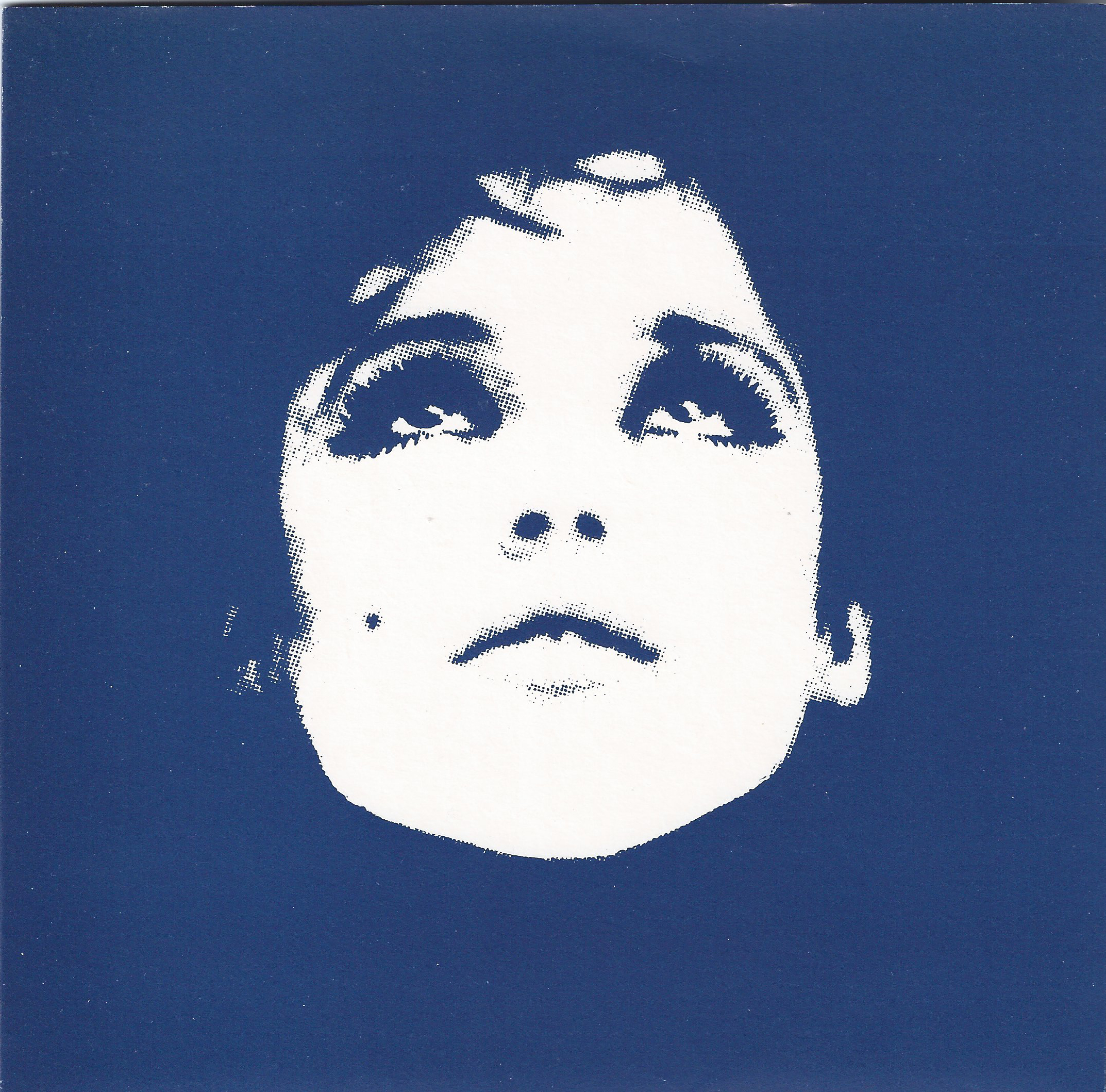
The Cult’s “Edie (Ciao Baby)” single is often offered for sale as an “Andy Warhol cover”. The only Warhol connection is through Gerard Malanga, who took the photo of Edie Sedgwick that was used on the cover. It comes from the film “Ciao! Manhatten”, directed by John Palmer and David Weisman. Thus Andy Warhol was not involeved in any way.
This homage to Warhol superstar and poor little rich girl Edie Sedgwick was released in 1989, eighteen years after Edie’s suicide in 1971. The song was included on The Cult’s fourth album “Sonic Temple”. Ian Astbury, vocalist and songwriter has said the song was inspired by the film Ciao! Manhatten and the image on the cover of the single is said to have been taken from the film. It was photographed by Gerard Malanga, another of Warhol’s co-workers and Factory acolytes.
The single was released on 26th July 1989 and a promotional 7″ was released a week earlier. In addition to the promotional single, there was a gatefold numbered 7″ released in an edition of 5000 copies (with “Bleeding Heart Graffiti” on the B-side) as well as a 12″ three-track single (with the added tracks “Sun King” and “She Sells Sanctuary”). The 12″ was also released in a black plastic slip envelope with a hologram image.Promotional 7″ singleThe 7″ single’s front cover.The hologram slip case for the 12″ EP.The cover of the limited edition 12″ with the hologram slip case. Malanga’s portrait of Edie seen through a window in the cover.
Here are the song lyrics:
Always said you were a youth quaker, Edie
A stormy little world shaker
Oh, Warhol’s darling queen, Edie
An angel with a broken wing
The dogs lay at your feet, Edie
Oh, we caressed your cheek
Ooh, stars wrapped in your hair
Ooh, life without a care
But your not there
Oh, caught up in an endless scene, Edie
Yeah, paradise, a shattered dream
Oh, wired on the pills you took, Edie
Your innocence dripped blood, sweet child
The dogs lay at your feet, Edie
Oh, we caressed your cheek
Ooh, stars wrapped in your hair
Ooh, life without a care
Ciao baby
Shake it, boy
Oh, sweet little sugar talker
Paradise dream stealer
Oh, Warhol’s little queen, Edie
An angel with a broken wing, oh
The dogs lay at your feet, Edie
Oh, we caressed your cheek, well
Stars wrapped in your hair
Ooh, life without a care
Yeah, yeah, yeah
Why did you kiss the world goodbye?
Ciao baby
Don’t you know paradise takes time?
Ciao, yeah
Why did you kiss the world goodbye?
Ciao baby
Don’t you know paradise takes time?
Ciao, yeah
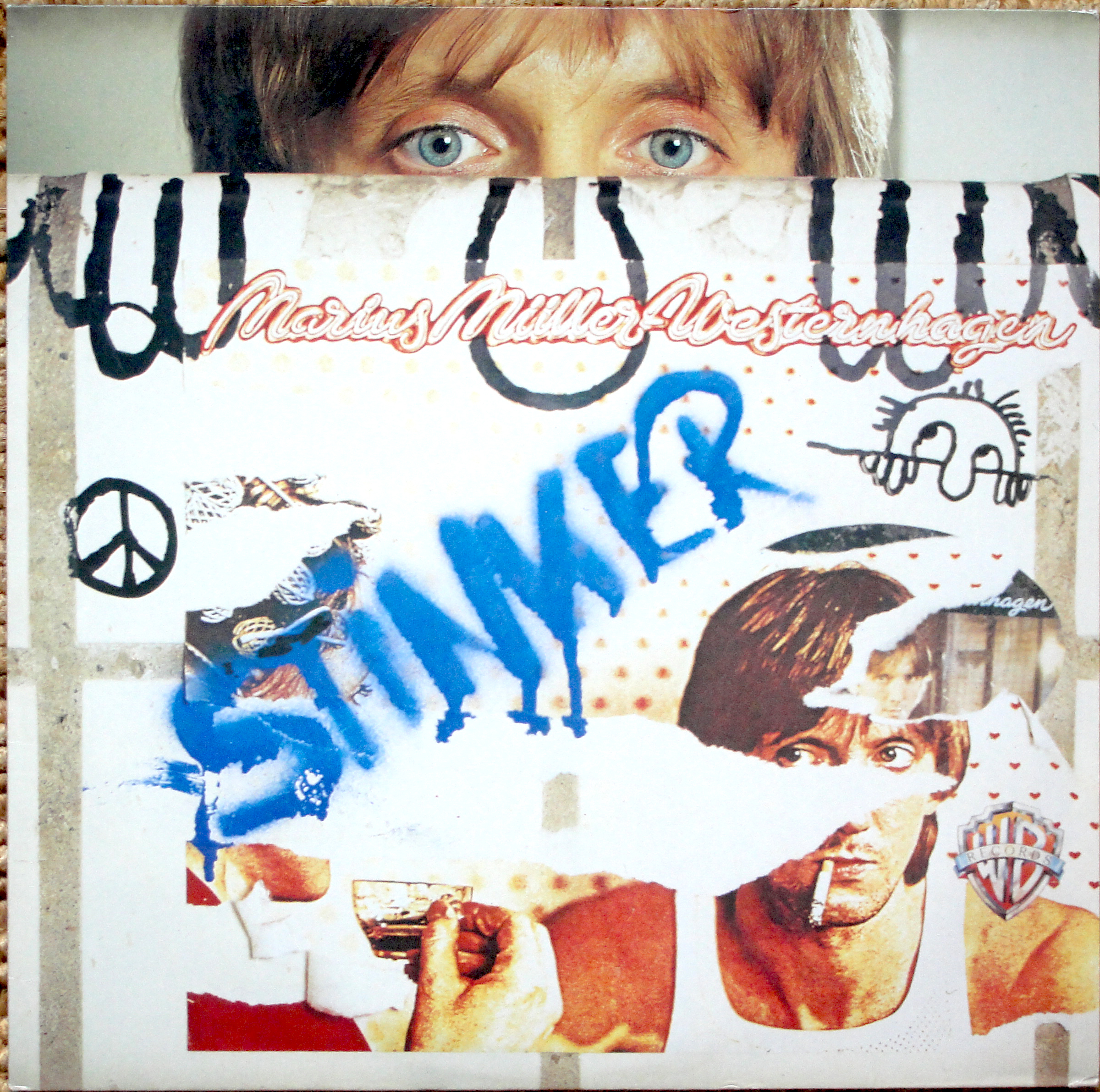
I thought my collection of Klaus Voormann’s record covers was complete until I read that he was responsible for the covers of a couple of albums released in Germany in 1981. One by Heinz Rudolf Kunze entitled “Reine Nervensache”, and the other by Marius Müller-Westernhagen entitled “Stinker”. There was even a single, “von Drüben / Dicke” with similar cover art released from the album. Somehow I had missed these covers.
Heinz Rudolf Kunze’s “Reine Nervensache” LP
Luckily, there were several reasonably priced copies of both albums and the single for sale at various sites, so obtaining them was relatively easy.
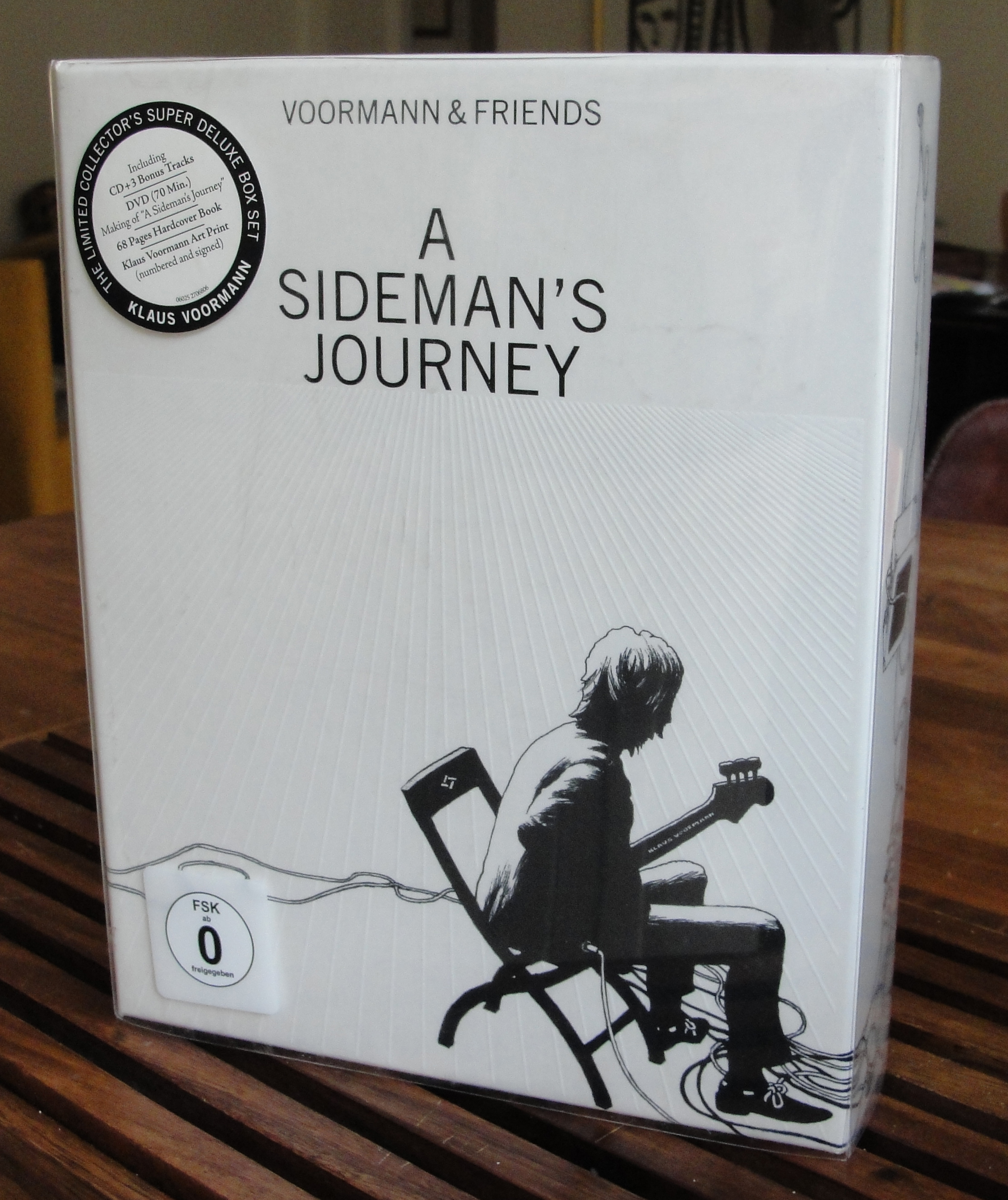
I knew that Klaus Voormann’s own album “A Sideman’s Journey” was released in a limited edition box but, as I had already bought the album on vinyl, which included a limited edition poster of the cover art, I felt I didn’t need the box set as well. However, I saw a description of the box which mentioned that the poster included was signed by Klaus but I felt the £120-£140 cost, was excessive. A month ago, though, I saw a secondhand, almost mint copy for sale for less than half that price, so I jumped at the opportunity.
The box set of “A Sideman’s Journey”
The box contains a book, a CD, a DVD in addition to the signed poster. A nice addition to my collection.
Everyone knows that Klaus Voormann is a close friend of The Beatles. He designed the cover of their “Revolver” album, for which he received a Grammy in 1967. Klaus was also a member of The Plastic Ono Band and played on the “Live Peace in Toronto” album from 1969.
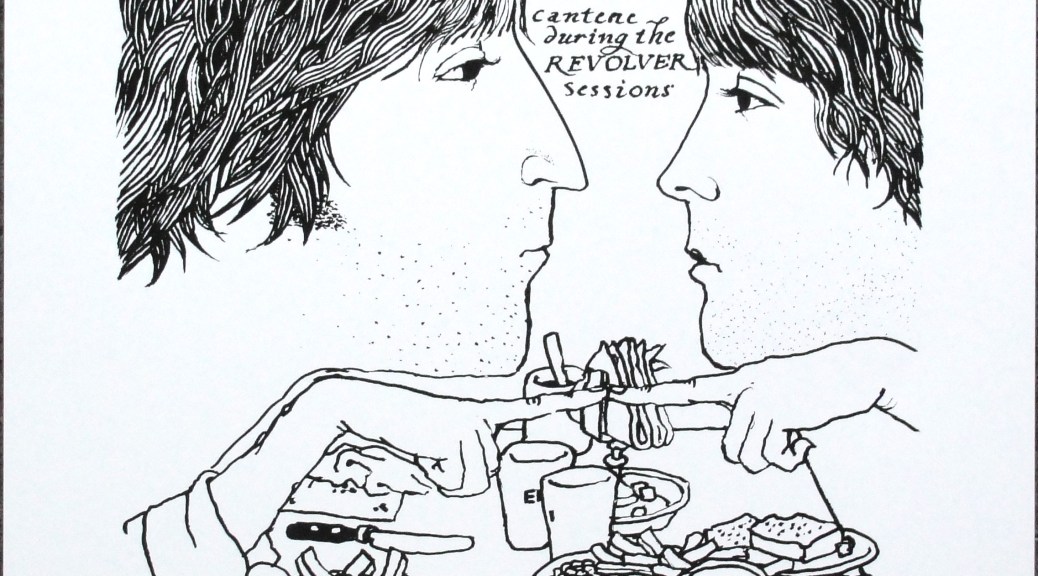
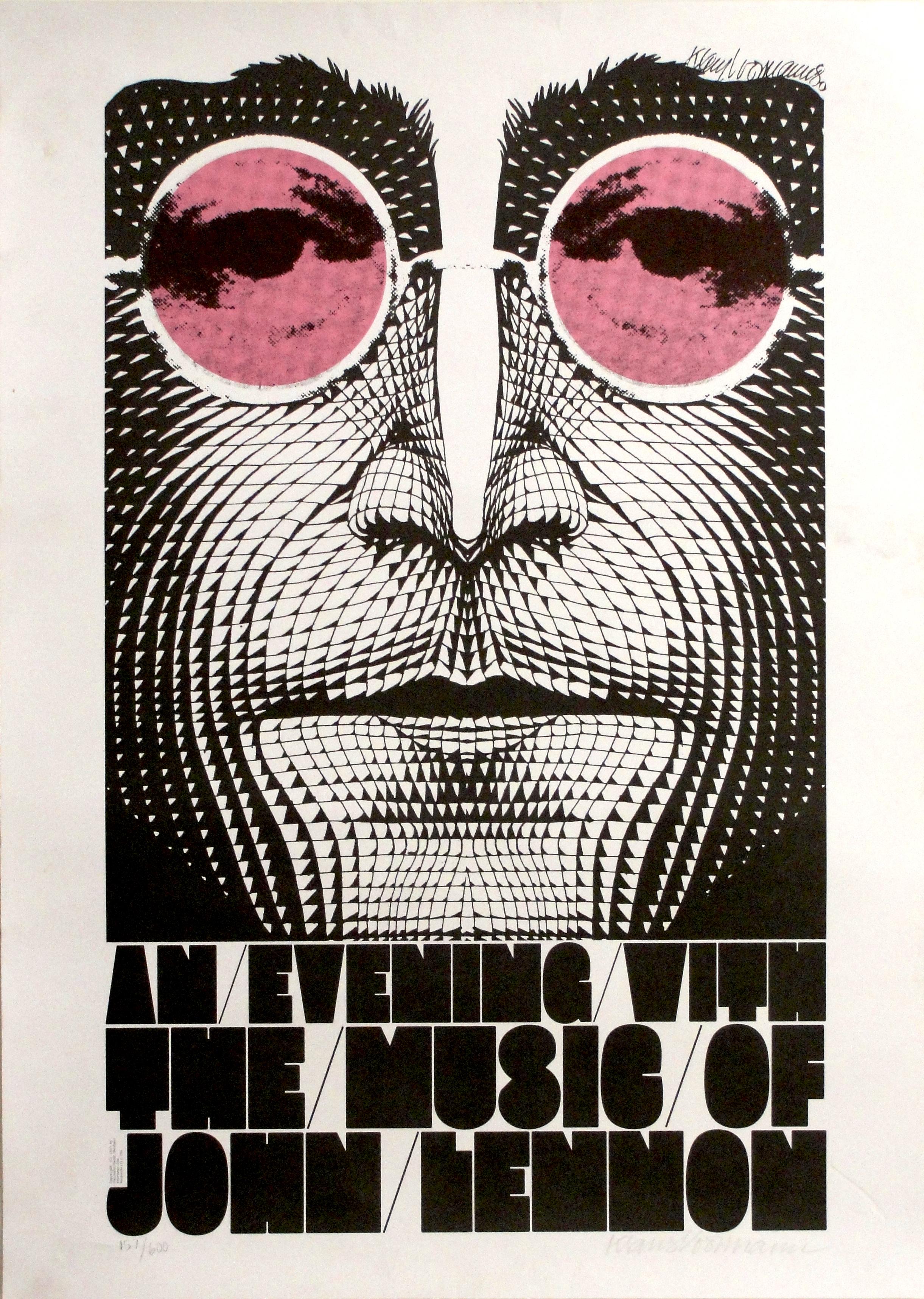
A few months ago I was offered one of Klaus Voormann’s rare prints. An image of John Lennon and Paul McCartney in the canteen at Abbey Road during the recording of The Beatles’ “Revolver” album. This was an edition of 40 all signed and numbered in pencil by Klaus Voormann. Mine is number 33. This print joins the one I already have of “An Evening with the Music of John Lennon”, which I received when I sold my record collection in May 2013.
Poster for “An Evening with the Music of John Lennon”.
I know that Klaus has also produced a print of Paul McCartney. I still have to find that one.
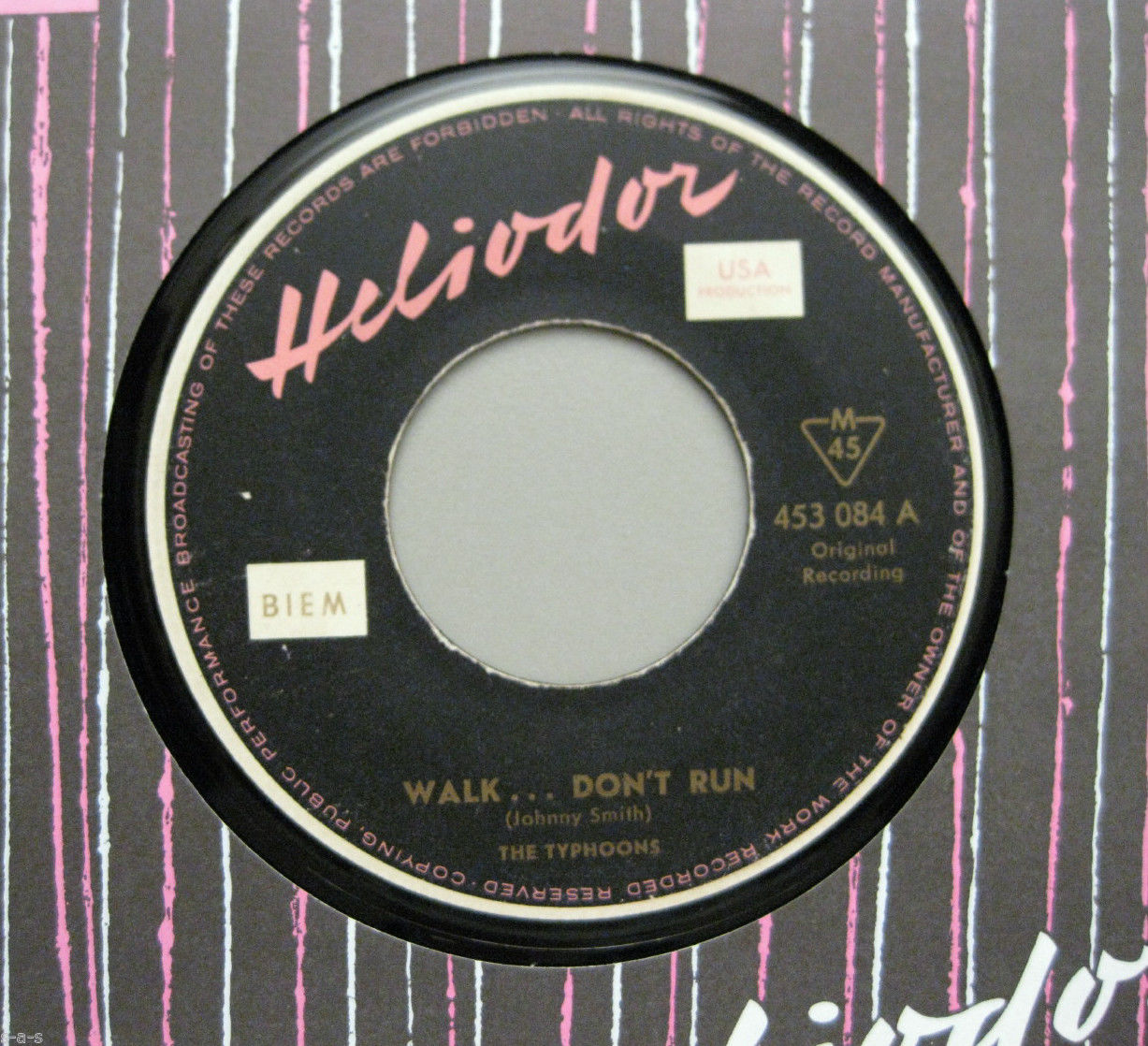
The first commercial record cover that Klaus Voormann designed was for The Typhoons’ single “Walk, Don’t Run / Parisian Heiress”only released in Germany on the Heliodor label in 1960. I once saw a copy of the cover with no record sell on Ebay for over $100! I have made my own copy of the cover and now I have found a copy of the record to put inside it.
Cover of The Typhoons’ single “Walk Don’t Run”.The Typhoons’ original Heliodor single in an alternative sleeve.
So, now I wonder if there are any more Klaus Voormann record covers out there still to be found.
Karin Andersson (born 28th February 1962 in Luleå in northern Sweden) is a Swedish painter who has achieved international acclaim. Her paintings sell for megabucks. As far as I can find out she has previously not been responsible for any record cover art. She began using the nickname “Mamma” in 1992 at an exhibition from the Swedish Kungliga Konstakademin and the name has stuck. Mattias Alkberg (born 8th January 1969) is a poet and musician from Luleå, Sweden. He came to prominence in the cult band The Bear Quartet and has since fronted several constellations, the latest being Mattias Alkbergs Begravning (Mattias Alkberg’s Funeral.) For Record Store Day 2014 Mattias Alkberg produced a 12-inch, four-track EP entitled “Epitafium”. The EP was released in extremely limited quantities. It was packaged in a fold-out poster cover painted by Karin “Mamma” Andersson.
I had read about this record in a design magazine and decided I really had to try to get hold of a copy. But two months had past since Record Store Day and I was not too hopeful. However, there are four record shops in my part of Stockholm, so I tried those first. No luck – and one shop owner told me how limited the release was that I would not be able to find a copy, unless I found one on Ebay. I wouldn’t take that as gospel and took the underground to Pet Sounds – Stockholm’s best record shop. Of course they had several copies on the shelf. But I only needed one. Thank you, Pet Sounds. Mission accomplished.
I’m not the jealous type. I really don’t need any more stuff. But sometimes when I’m doing some Ebay searches I come across something that arouses desire within my normally cool and collected breast. This time I was looking through some books by the art critic Rainer Crone as a friend had expressed an interest in his book of Andy Warhol’s early art, entitled “A Picture Show by the Artist – Early Works 1942-1962”.
Imagine my surprise – and excitement – to see that the book was not only signed but dedicated – and to ME! Well, not actually to ME but to my namesake. “Thou shalt not covet…” says the Commandment. But, i’m sorry ti have to admit that I do. I wonder if the seller would accept an offer of $45.00?