Banksy’s art contains many portraits of anonymous policemen, usually engaged in various nefarious activities, as well as smiling soldiers, and a multitude of rats and monkeys. But here I’m concerned with his recognisable portraits. Here represented by record. and book covers.
Banksy knows his art history–convincingly documented in Kelly Grovier’s book How Banksy Saved Art History. Banksy knows his Warhol as evidenced by his series of prints of Tesco soup cans and his 2005 series of portraits of Kate Moss, portrayed in a similar manner to Warhol’s early Marilyn paintings and prints, and in a similar array of colour variations, begging the question “is Kate Moss the twenty-first century’s Marilyn?”

Otherwise, formal portraits are rare occurrences in Bansy’s oeuvre, I have only been able to find a handful. In 2003, Banksy’s portrait of Nick Cave was the cover image of the first edition of Nick Cave’s The Complete Lyrics 1978–2001.
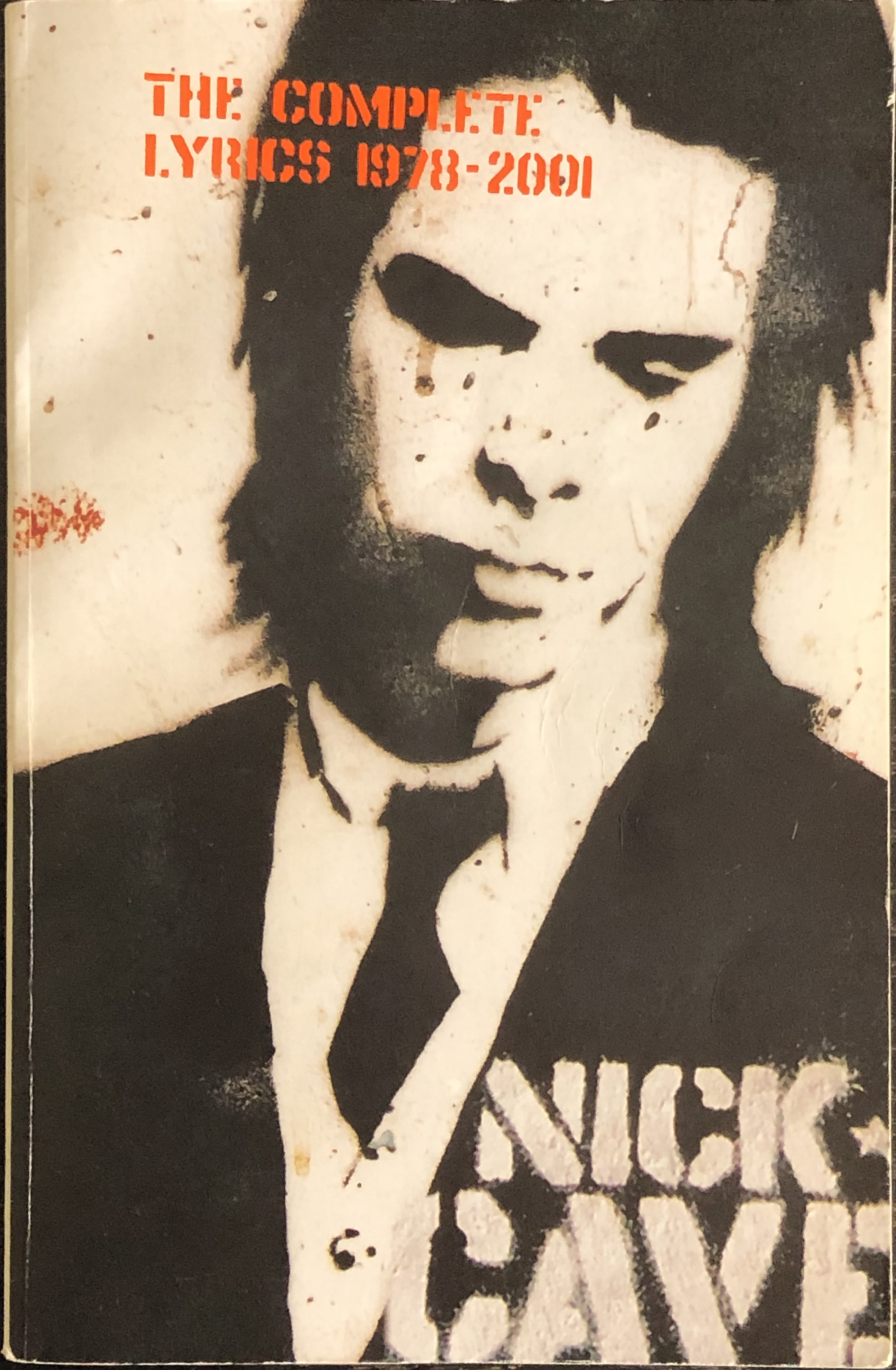
Later updated editions of the book dispensed with this portrait, though the original Italian version had the same cover image, but without the spray-painted name.

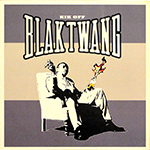
Banksy designed the covers for Blak Twang’s 2002 album Kik Off and the singles and EPs taken from it with portraits of Blak Twang (real name Tony Olabode) himself in various poses; sitting in an armchair, standing and together with Estelle (full name Estelle Fanta Swaray).

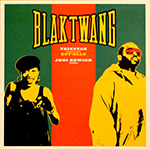
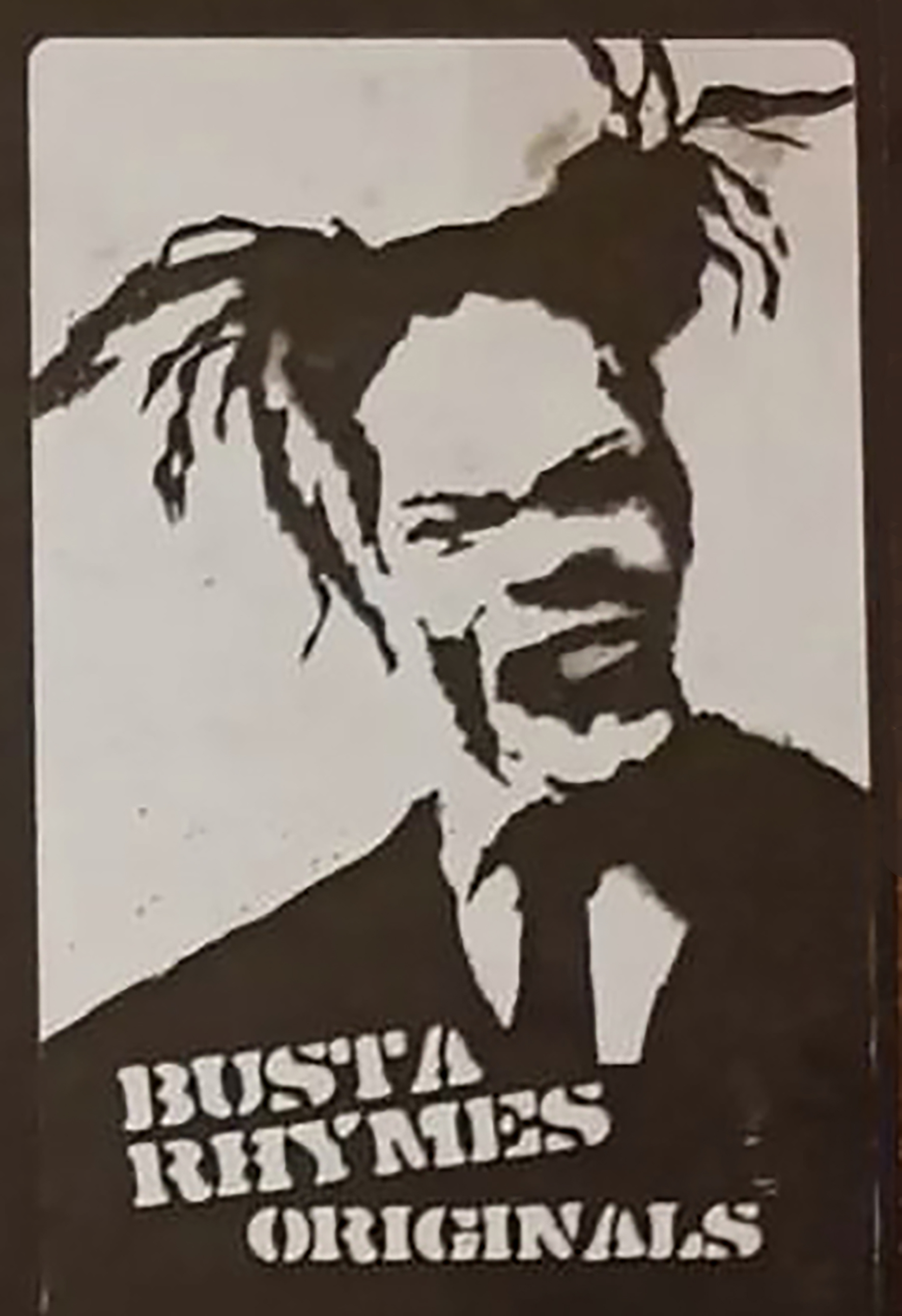
Banksy’s portrait of Busta Rhymes (Trevor George Smith Jr.) is on the cover of a 2006 compilation album Busta Rhymes Originals.
In 2004, Banksy portraited the nine-year-old Phan Thị Kim Phúc in his Napalm Girl print mocking both capitalism and war in a single work. She appears on Final Prayer’s 2006 album Right Here, Right Now.

The oonly other recognisable portrait that I’m aware of is from his Queen Vic print from 2003 that reappeared on a much counterfeited 12-inch cover of Queen’s Don’t Stop Me Now from 2007.

It seems that these seven portraits are anomaies among all the hundreds of images Banksy has produced. The Kate Moss, Nick Cave, Blak Twang and Busta Rhymes portraits are what I would call “formal” portraits. The others are satirical images.