Category Archives: Uncategorized

Some New Re-imagined Covers by Famous Artists That are Way too Expensive for Ordinary Collectors.

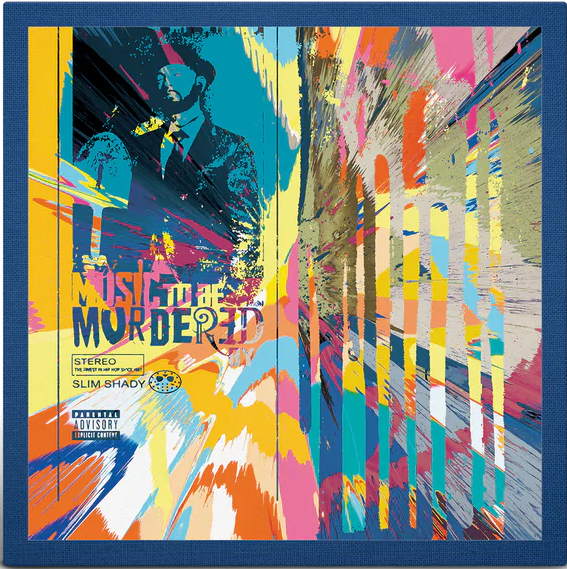
Ever heard of Interscope Records? I hadn’t until recently when a good friend and fellow collector tipped me off about a new Damien Hirst cover that was to be released by Interscope Records as part of their thirtieth anniversary celebration.

It turns out that the company released Eminem‘s first album The Slim Shady in 1999 and that they are releasing limited edition albums of the Eminem catalogue with new cover art by Damien Hirst. Five of the redesigned albums are picture discs in new Hirst designed covers produced in limited editions of 500, while a further seven are available on black vinyl, in signed editions of 100 that include a giclée print of the cover art packaged in Gucci-designed wrapping. Each picture disc version costs USD 100, and the signed editions cost USD 2,500 each. Damien Hirst has done these reimagined covers for free as the proceeds are going to charity. Despite the fact that the proceeds from the sale of these art covers are going to charity I feel that they are wildly overpriced. The picture discs are each produced in editions of 500 copies and USD 100 strikes me as too expensive. I think a more reasonable price would be around USD 50. I would expect a record priced at USD 2,500, like the black vinyl albums to be in much more limited editions, perhaps even unique items in order to motivate the price. These are probably aimed at galleries or institutions rather than individual collectors and the exorbitant price prevents serious collectos of the individual artists’ covers from buying them.

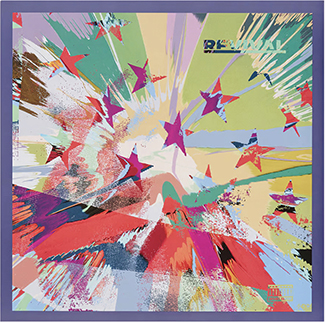
In addition to these new Damien Hirst covers there is a redesigned Snoop Doggy Dogg Doggy Style LP cover by KAWS for USD 100 in an edition of 500 copies that sold out almost immediately it was released. However, there was only one further release that I was interested in, and that is Richard Prince‘s reinterpretation of Nine Inch NailsThe Downward Spiral LP.

Nine Inch Nails The Downward Spiral Reimagined by Richard Prince.

In addition to the Damien Hirst designed covers for the Eminem albums, Interscope have released twenty-one other albums with redesigned covers priced at USD 2,000-2,500 by artists such as Gwen Stefani, Lana del Rey, Helmet, Dr. Dre, Billy Eilish and others.

These are the black vinyl Damien Hirst albums:

I actually really like these Damien Hirst covers! Obviously I can’t afford the USD2,500 limited editions and so I can never own a complete set of the artist’s record cover art.

I have ordered the five Hirst and the RIchard Prince picture disc editions. Perhaps I’ll make my own versions of the USD2,500 editions later to complete my collection.

All these covers can be bought through the Interscope Records site or via NTWRK app, subject to availability.

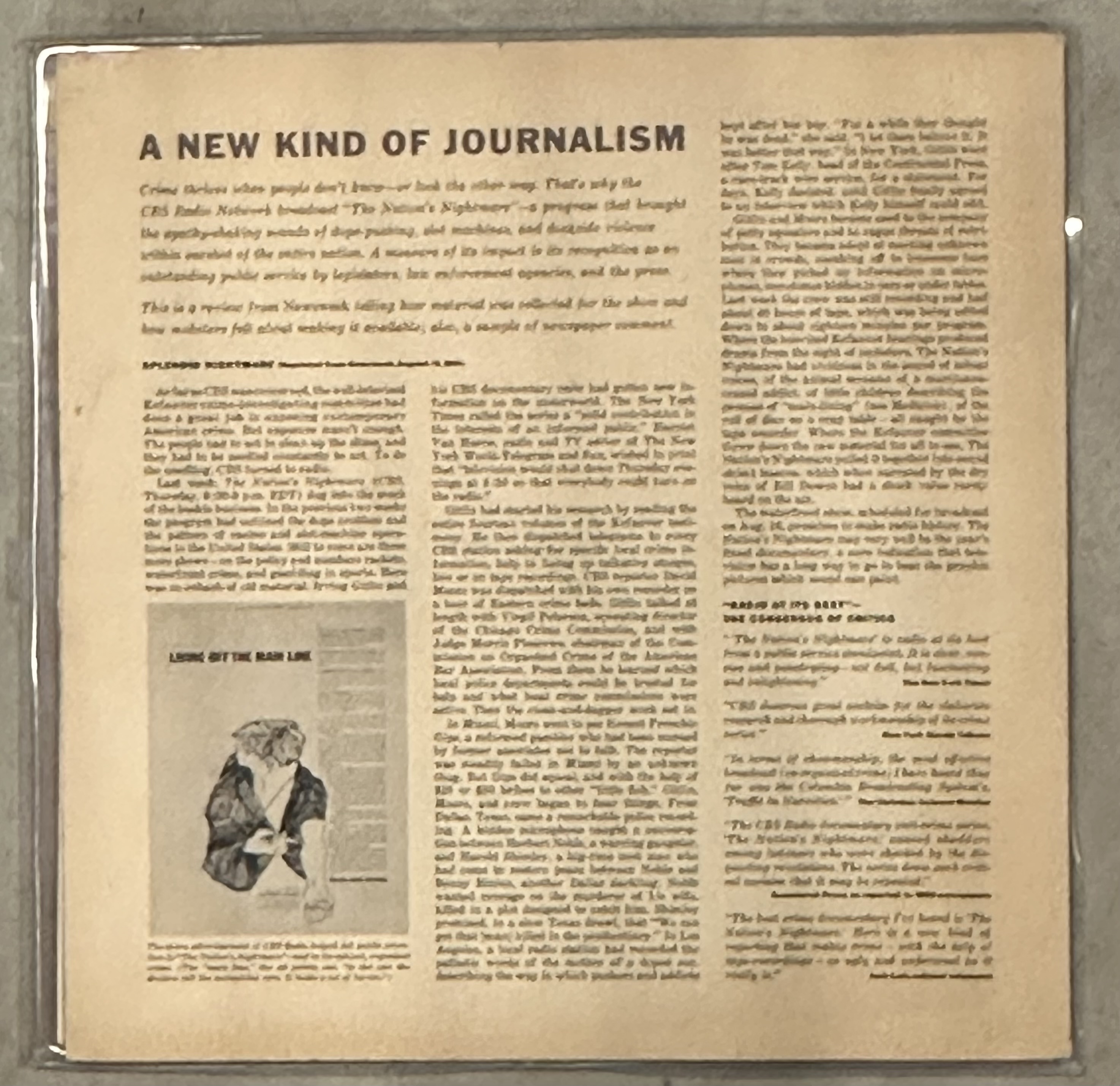
The Nation’s Nightmare — Updated.

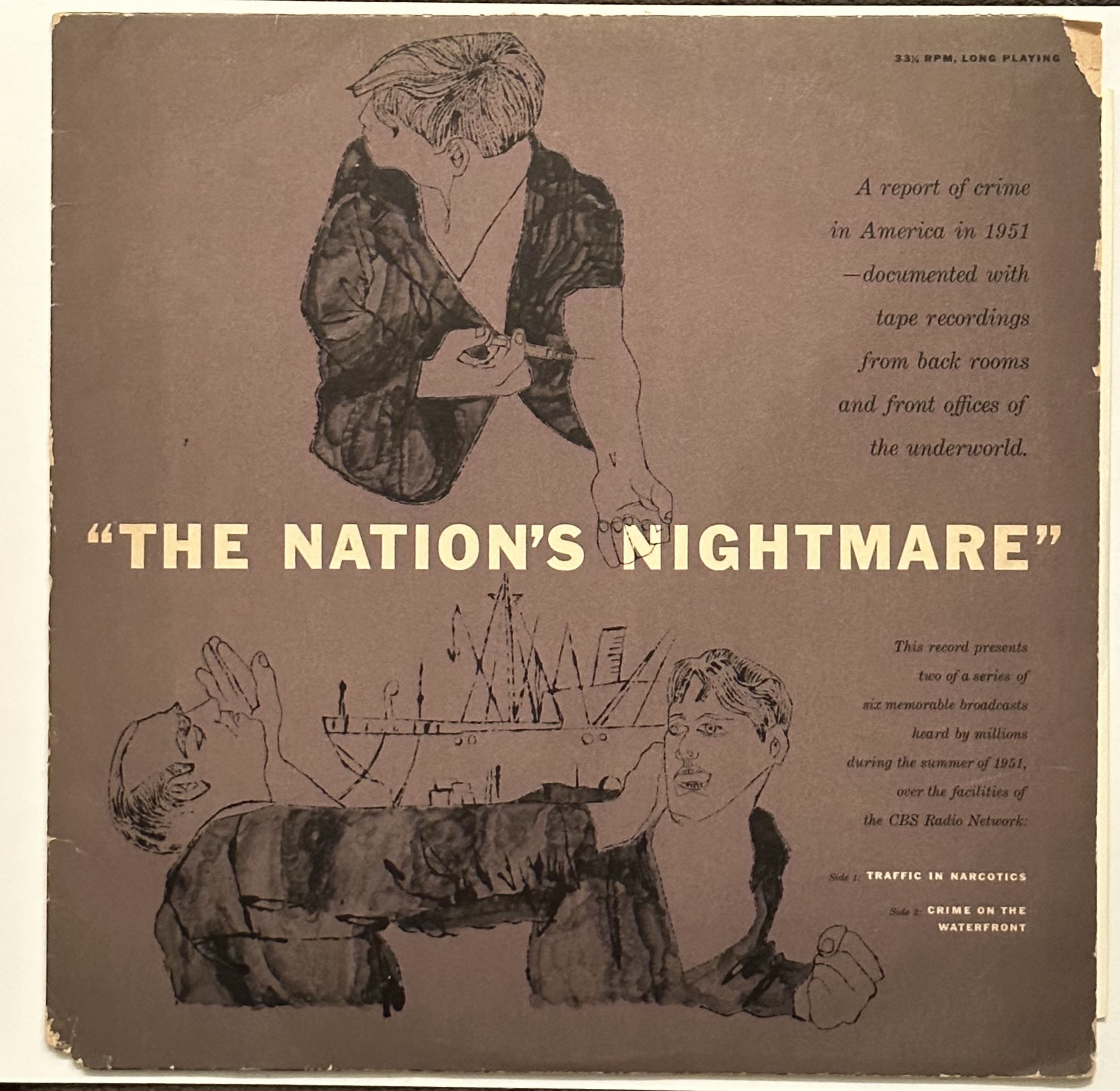
I suppose I could date the start of my collection proper of Andy Warhol’s record covers to 1967 when I bought The Velvet Underground & Nico and then, a year later, bought White Light/White Heat (the Velvets’ second album) but although I bought the Rolling Stones’ Sticky Fingers when it came out in April 1971 I didn’t really consider I was collecting Warhol covers. Another Warhol cover — The Rolling Stones’ Love You Live LP arrived in 1977 and then Diana Ross’ Silk Electric turned up in 1982 and I realised I had a collection of Warhol covers! However, I had no knowledge of his early work until I was introduced to his jazz covers by Guy Minnebach, whom I had met online, and who tipped me off about a number of covers and sold me my treasured copy of The Nation’s Nightmare in 2006. While showing obvious signs of wear, this album cover was one of my prized possessions.

I continued to add to my collection of Warhol covers in the years before and after the acquision of The Nation’s Nightmare and was lucky to have started before many of the rarer covers were recognised as being Warhol designs. Some of the rare ones, such as The Story of Moondog and Ultra Violet, evaded me for many years, but I was eventually able to add these, too.

I 2018, I attended the opening of Moderna Museet’s exhibition Andy Warhol 1968, an homage to mark the 50th anniversary of the Museum’s historic Warhol exhibition that ran from February into March 1968. Having toured the exhibition, and just before leaving, I saw eight record sleeves on the final wall. Among them was the cover for East Village Other (aka Electric Newspaper) labelled as being a Warhol cover.

The eight “Warhol” covers at the Warhol 1968 exhibition with the East Village Other cover (bottom row, second from right).

Well, I knew it wasn’t! So I plucked up courage to look for John Peter Nilsson, the exhibition’s curator and pointed out this misstake. I mentioned to him that I had a “complete” collection of Warhol covers and he told me of plans for the exhibition to move to Moderna museets sister site in Malmö from March to September 2019 and the possibility to display my complete collection. In the preparation for the collection of my covers, my The Nation’s Nightmare cover got slightly damaged.

My damaged cover.

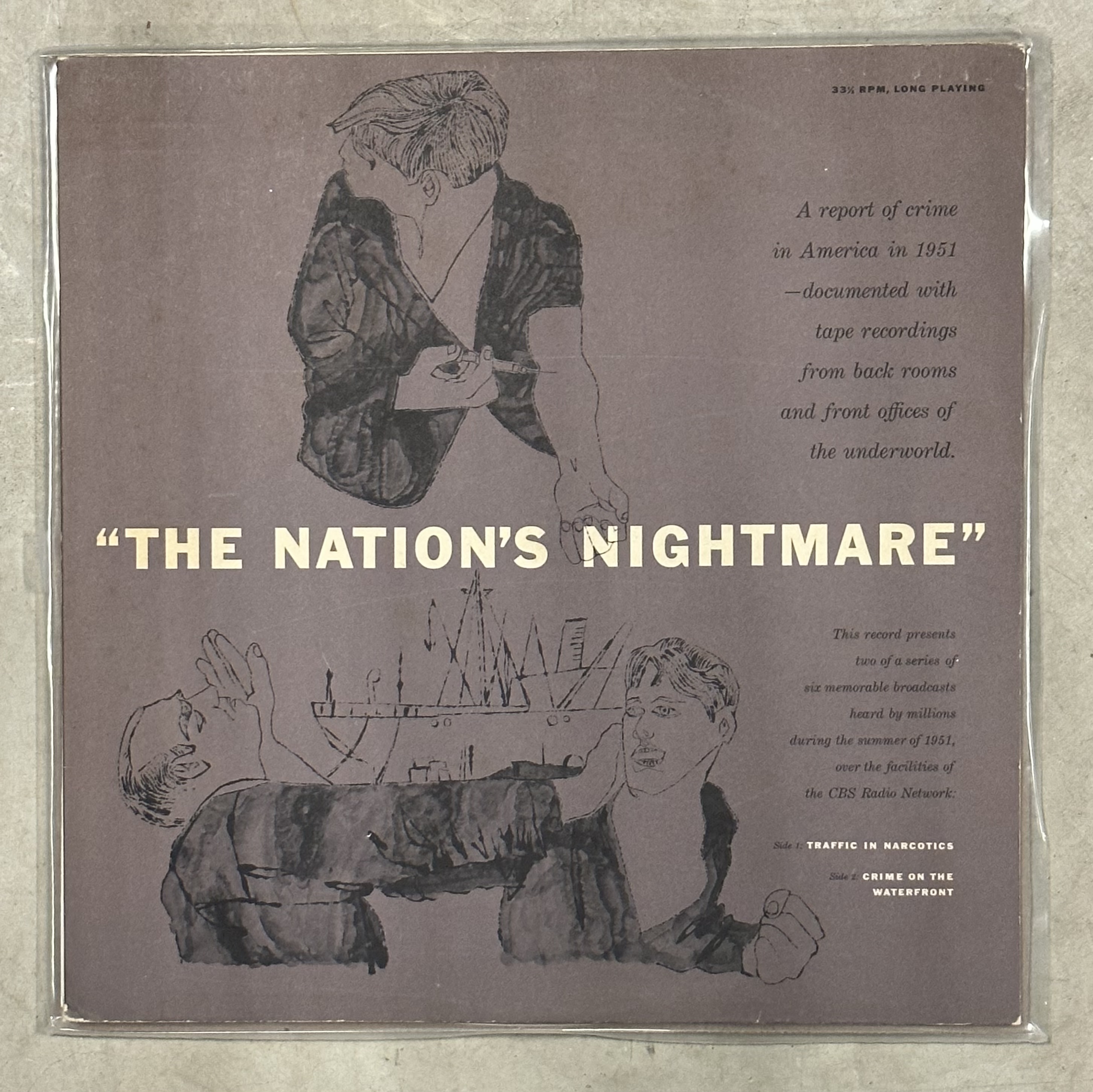
Ever since it was returned to me late in 2019, I have had an ambition to replace it with a better copy. Several have appeared on auction sites and Discogs over the past three years but none was in the condition I was looking for until I saw a copy on Discogs in late January 2023 and, after seeing pictures, and doing som haggling, decided to buy it.

The seller was locatred in Connecticut, USA, and posting it to Sweden would make me liable to pay an exorbitant import charge, so I enlisted a friend in Savanna, GA, to receive the record and post it on. The record arrived safely and he posted it on Febrary 8th and I follwed the USPS tracking with bated breath seeing that the package left JFK airport on February 14th. After that there were no further tracking records. I contacted the Swedish postal service Postnord, who told me that they had no record of the shipment and that it might have been flown to any European city and that I should wait for further information from USPS. None was forthcoming, so on 23rd February I phoned USPS who couldn’t trace the shipment. I was desperate and mailed my friend in Savanna to start proceedings to claim for a lost shipment. However, before he could do so, I received notice from USPS on 24th February that the package had indeed been flown to Arlanda (Stockholm) airport and had been handed over to Postnord for customs clearance that day. I breathed a sigh of relief. At least the shipment wasn’t lost. But a week went by, and then ten days, and I still hadn’t received any informatin from the Swedish customs or Postnord, so I phoned again on March 7th and after a ten-minute search the operative told me that the package had been cleared by customs and would be with me in three or four days. It finally arrived on 10th March, a little over a month after it was posted.

The cover is in beautiful condition, I would call it “excellent” with no major wear or writing anywhere. The record looks unplayed with immaculate labels and the rear cover shows some yellowing due to age but is otherwise great. I am greatly relieved that it finally arrived and really pleased to have this lovely copy in my collection.

Some More of My Own Art.

I keep trying to be creative, and not only in the record cover collecting field. Last summer I went on another silkscreen course and though I didn’t manage to get as much done as I had hoped, I still did produce a few nice things.

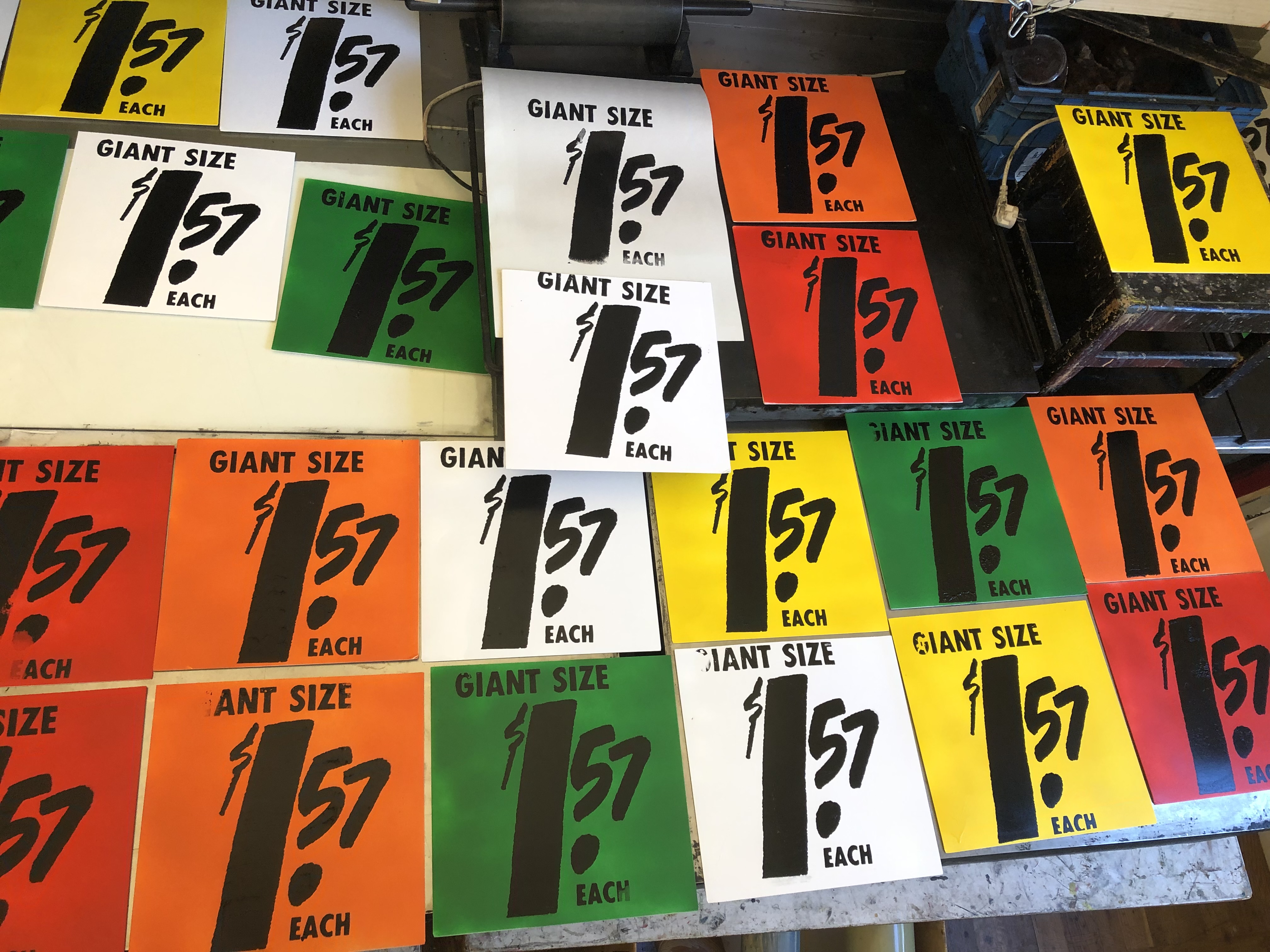
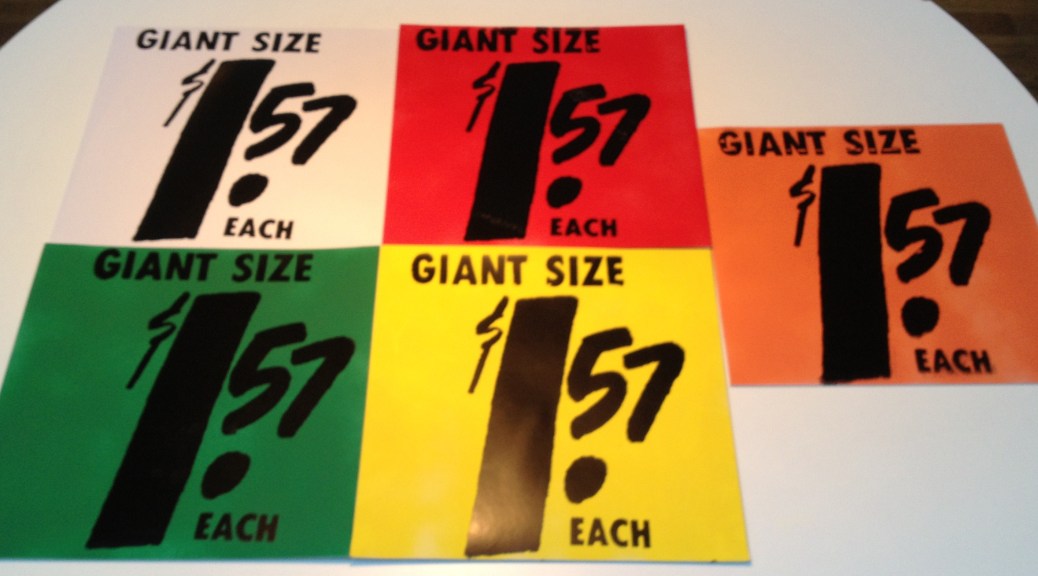
I printed a number of teeshirts and five new sets of Andy Warhol’s and Billy Klüver’s famous Giant Size $1.57 Each record covers. This involved first spray painting the record covers (white, yellow, red, green and orange — the same colours Warhol/Klüver used on the originals) and then screenprinting the Giant Size $1.57 Each text on top. I did 25 covers in all!

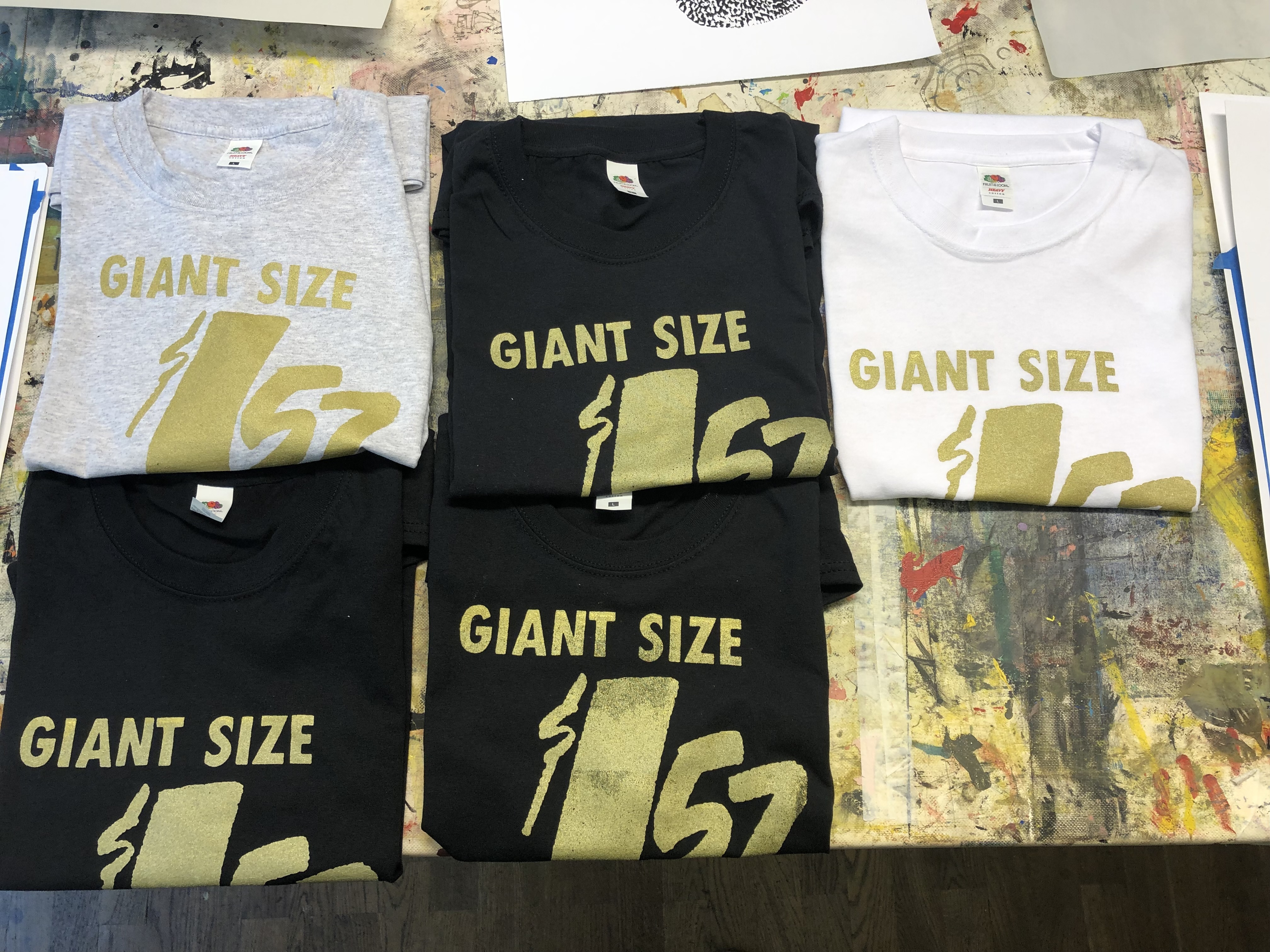
I also printed a number of teeshirts with the same design, but this time in gold.

A bit later, I got Urban, my friendly neighbourhood printer, to print replica record labels that I could stick onto some LPs that I sourced from the record store that I sold my collection to a few years ago. They had loads of records that were unsellable and that they were glad to get rid of!

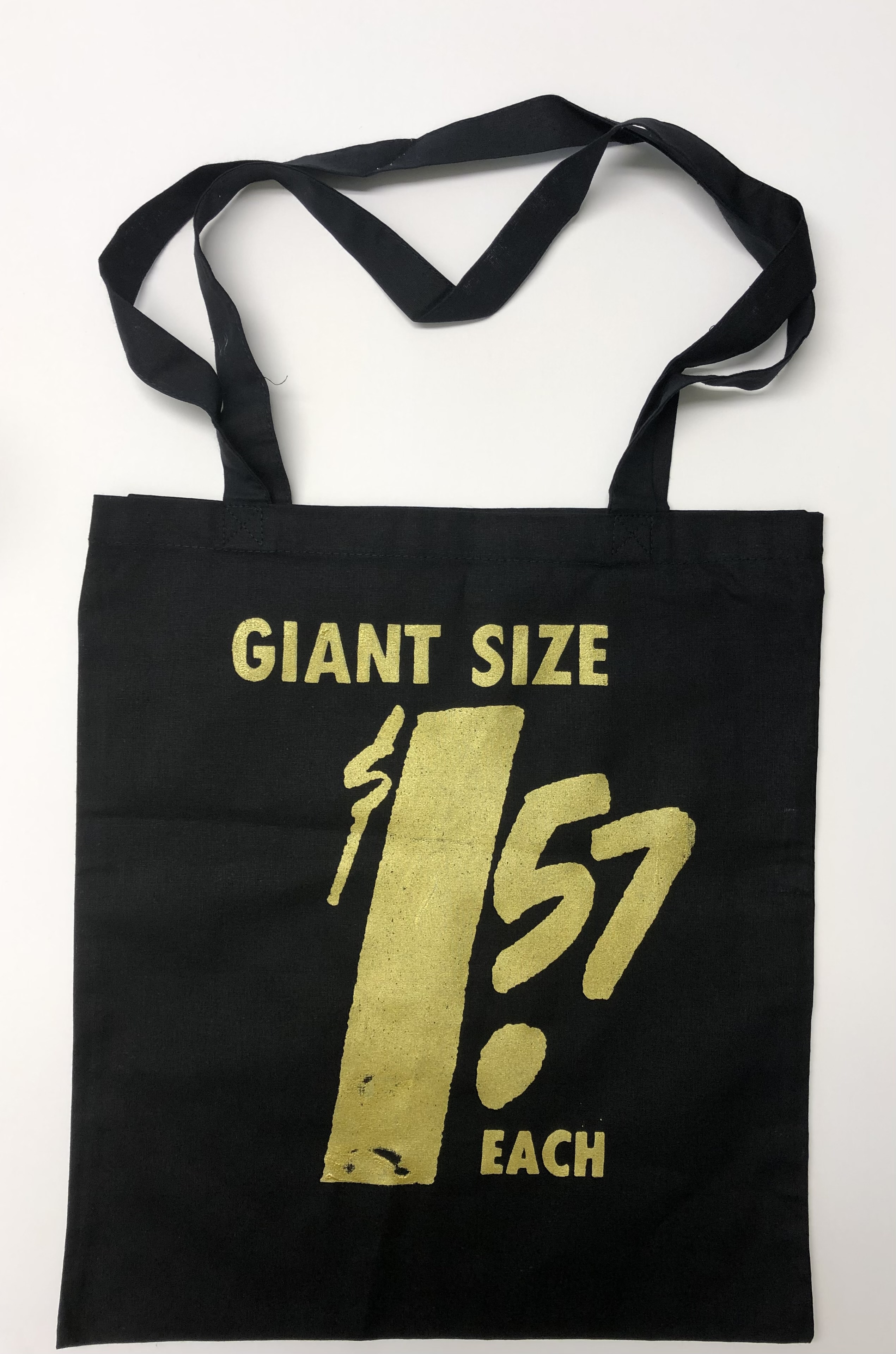
At he same silkscreen course, I printed two pictures using the same Giant Size stencil. These turned out so well that Anette, our course leader, wanted me to print her a tote bag with the design in gold.

But the things I was most pleased with were two large-scale prints 100 x 50 cms that I decided to frame and submit for consideration for inclusion in Liljevalch’s 2023 Spring Salong. Unfortunately they weren’t accepted but I’m pleased I tried.

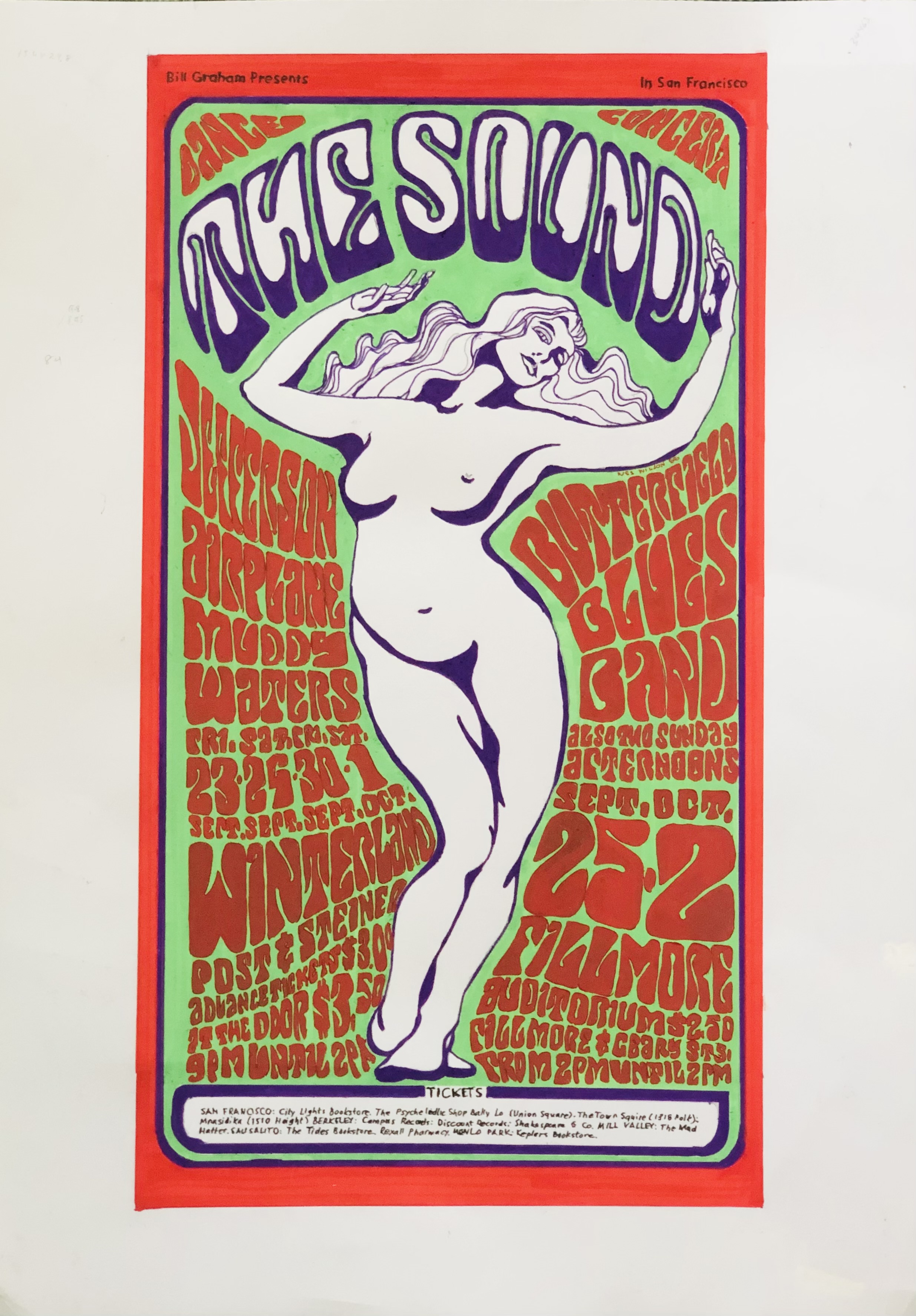
Latterly, I’ve gone back to painting. Anyone who has followed this blog may have read about my collection of sixties Bill Graham Fillmore Autitorium and Avalon Ballroom handbills. The original posters are now fetching large sums at auction and I always wanted Wes Wilson’s The Sound poster from 1966. Knowing I couldn’t afford an original, I reckoned the next best thing woud be to paint a reproduction… Note: not a forgery, a reproduction.

There are many instances of artists appropriating the work of others, ranging from Elaine Sturtevant, who in the sixties reproduced several of Andy Warhol’s paintings to Ulf Linde, who reproduced Marcel Duchamp’s readymades and which are on permanent display at Stockholm’s Moderna Museet (Linde even got Duchamp to sign the reproductions!) He made further copies (I mean reproductions) fifteen years after Duchamp’s death, but then had his widow sign them! Another celebrated case of reproductions is the Brillo Boxes ordered by Pontus Hultén for an exhibition that were made in Malmö, Sweden, and many were later sold as original Warhol Brillo Boxes. The fact that Hultén had commissioned them only came to light six months after his death in 2006.

So now I decided to paint myself a copy/reproduction of Wes Wilson’s magnificent poster as near full size as possible (acrylic on paper) . And here is the result.

I got inspired by how well this turned out and a friend posted a picture of Banksy’s 2004 I Fought the Law and I Won print. I have two record covers that had travestied this design — The Promise’s 2002 album Believer and the test pressing for Embalming Theatre’s and Tersanjung XIII’s split EP called Mommy Died – Mummified / Hellnoise — and I decided to reproduce Banksy’s original. I did a black and white version and then saw that one of the big auction houses was selling a red/orange version. So I decided to paint that one too.

Then I looked for something perhaps more complicated to paint and I saw the cover of the band UFO’s 1979 album Strangers in the Night and decided to give it a go. However, I though the dots might prove tricky.

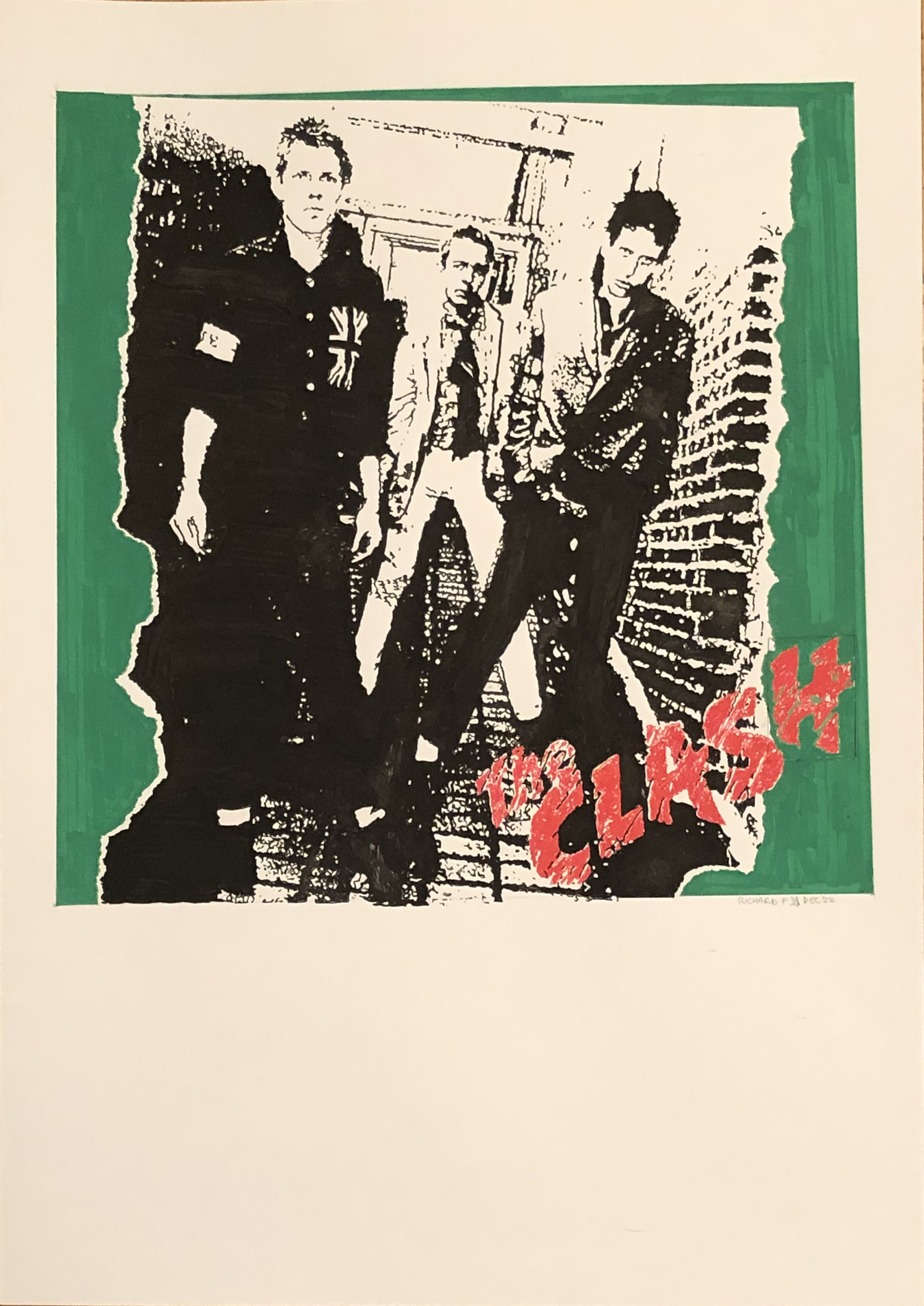
My latest painting, completed only yesterday, is the front cover of The Clash’s eponymous first album with photography by Kate Simon.

Painting these record sleeves makes a great addition to my collection of record cover art. I really feel like painting some more. I thought I might try Kraftwerk’s Die Mensche-Maschine cover. A given for anyone, like me, who likes typography. We’ll see if it materialises.

A New Cindy Sherman Record Cover.

I went to a massive Cindy Sherman exhibition at Stockholm’s Moderna Museet entitled “Untiitled Horrors” in late 2013 and noted that Sherman had contributed to several record covers. I managed to find information and pictures of seven:
1. The Kitchen Presents “Two Moons July” — videodisc
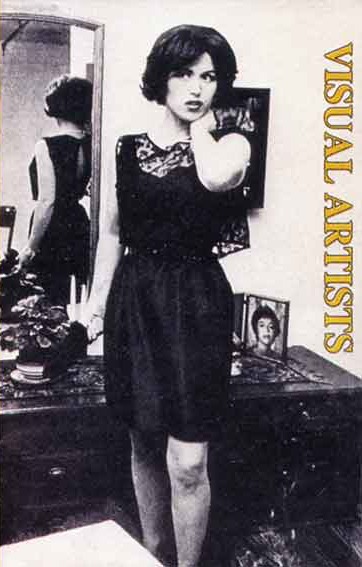
2. Tellus #21 – Audio by Visual Artists — audio cassette.
3. Babes in Toyland’s album Fontanelle
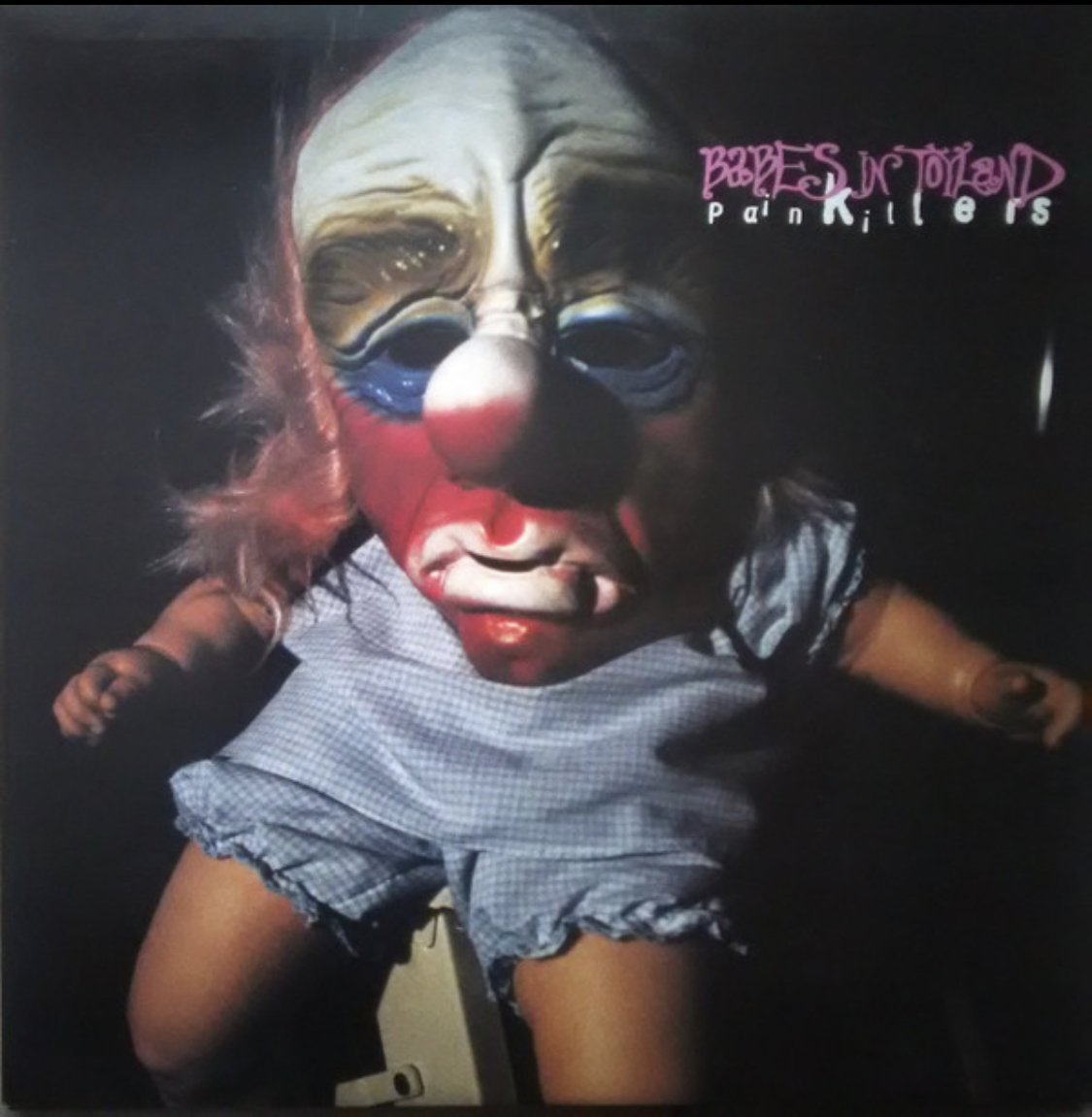
4. Babes in Toyland’s album Painkillers
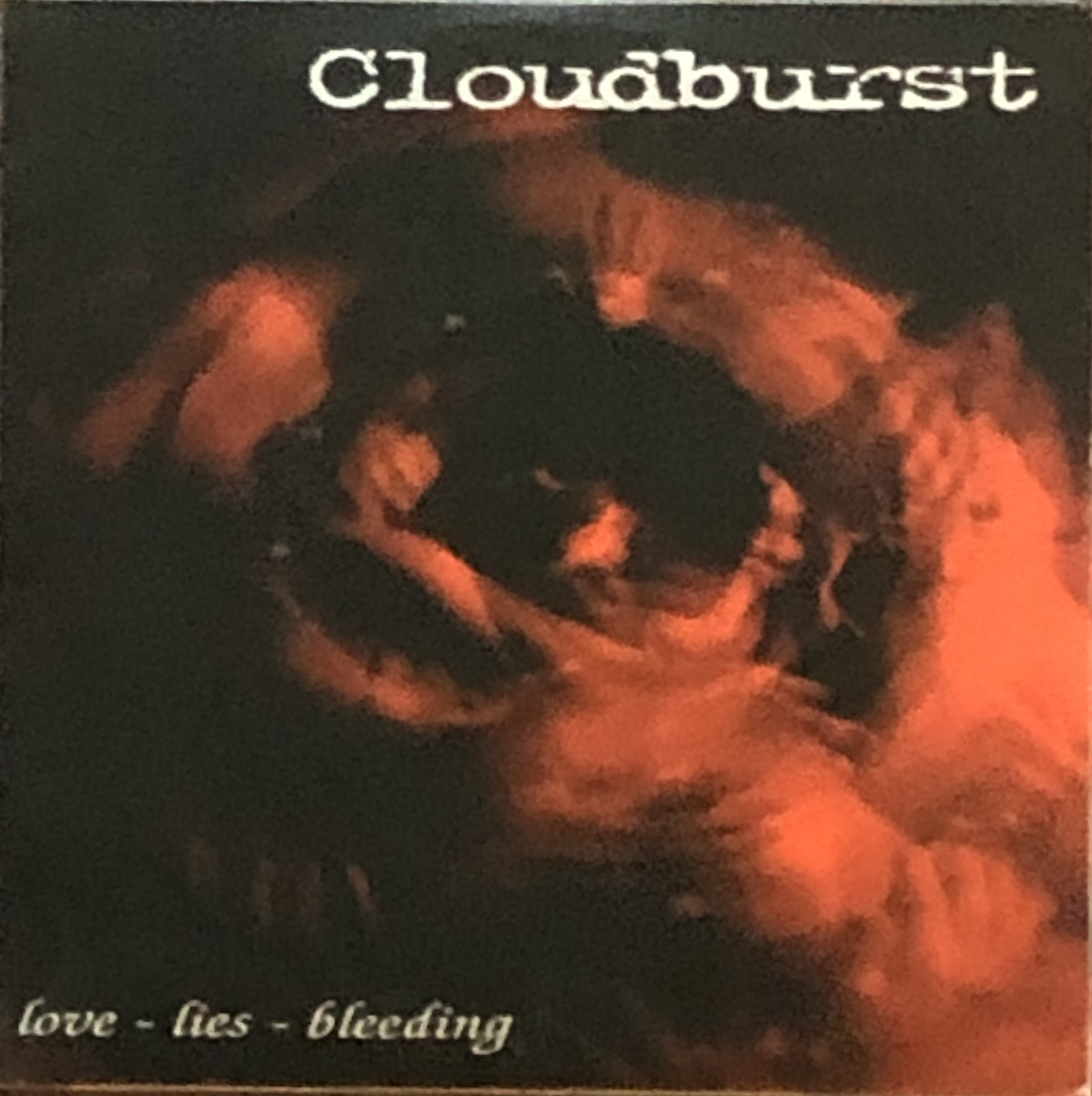
5. Cloudburst – Love – Lies – Bleeding,12″ EP
6. Athur Doyle – No More Crazy Woman.

… and just recently, I could add a seventh cover; Teddy and Jenni Do George and Tammy, a limited edition, four-track EP by Teddy Thompson (son of Richard and Linda Thompson) and Jenni Muldaur (daughter of Geoff and Maria Muldaur) who duet on two songs each by George Jones and Tammy Wynette. Apparently, Jenni and Cindy Sherman are pals and Cindy agreed to do the cover for this EP.

Teddy & Jenni Do George & Tammy

It transpires that thee cover of the videodisk while being advertised as beoing by Cindy Sherman actually isn’t, so I can cross that one off my list. I haven’t been able to find the Tellus #21 cassette but the other covers are relatively easy to find and make a nice collection by a famous photographer.

Anniversary Reissues — an Expensive Experience.

There’s obviously a new generation of music fans who are buying vinyl records and weren’t around when some historic albums were origianllly released. And a there’s a large group of old fogies like me who were around but have worn out their original copies (or, again, like me, sold much of their original vinyl) and record companies have not beeb slow in realising these markets and producing anniversary reissues of old favourites — and in many cases reissuing albums that weren’t greatly appreciated when originally released but have become cult items. Many of the reissues are released on variously coloured vinyl, so collectors might have to buy several clopies.

I don’t know when the anniversary reissues forst arrrived. I suppose you could say it was when CDs arrived in the early eighties and vinyl albums were tranferred to the digital format. I remember the posters advertising the release of the Sgt. Pepper’s Lonely Hearts Club Band CD in 1987 used the “It was 20 years ago today” byeline. Could that have been one of the first “anniversary” reissues?

But 25th, 40th, 45th, 50th anniversary issues now appear with shocking regularity and are often in the form of expanded editions in box sets. Viz. The Velvet Underground & Nico‘s 45th anniversary 6CD box (one of th efirst I fell for) and the 2017 Sgt. Pepper release on single LP, double LP and four CD box set (I fell for these as well.) Lavish boxed sets of each of the Led Zeppelin albums (which tempted me, but I was strong) and many others.

But there’s a newer phenomenon; 10th and 15th anniversary reissues. I’ve just fallen for the 15th anniversary reissues of Malcolm Middleton’s A Brighter Beat album with its David Shrigley covers. I already have the origianal both on vinyl and CD (two different covers) and signed up for the promised 15th anniversary issues when they were announced in the autumn of 2021. Release was, however delayed until May. The “standard” reissue was a limited edition of 1000 copies on clear vinyl and then there is a “Dinked” edition of 500 copies on silver vinyl with a differend Shrigley cover (the same design as was used on the original CD.)

And now I’ve just “invested” in a 20th anniversary reissue of The Promise’s Believer LP, originally pressed on clear vinyl (100 copies) or red vinyl (900 copies) and now repressed on purple vinyl (200 copies). This 2002 album featured a very early reworking of Banksy’s I Fought the Law artwork on its cover and has become a collector’s item because of its cover.

Many, if not the majority, of these anniversary reissues are limited editions and have become collectible in their own right. I realise that it is great that out of print albums are being rereleased so that a new group of listeners can hear them on pristine vinyl, but I can’t decide if it is just a marketing jippo tat has sucked me in.

A New Look at Record Cover Art – Four Artists’ Approach — Laurie Cinotto, Morgan Howell, Mark Vessey, and Mark Wade.

A record cover is a recod cover. Or is it? I’ve been intrigued by how the standard record cover can be enhanced, defaced, reproduced or simply disappear in a painting.

As a student in the sixties I had record covers and posters on my wall. Hapshash & The Coloured Coat’s album Featuring the Human Host and the Heavy Metal Kids with the poster beside it and the Who’s The Who Sell Out with the poster that came with the very first pressings of the album (and which I lost somewhere along the line. I’ve been fascinated by record cover art ever since. And have collected record cover art sin ce the eighties — specialising in the work of the late, great Vaughan Oliver, Neville Brody, Alex Steinweiss and Andy Warhol. I’ve had to part with my collections of the first three of these byut have concentrated on Warhol, Peter Blake, Banksy, Klaus Voormann, David Shrigley and a few others.

In recent years I’ve been notiicing some new trends in record cover collecting. “Fine” artists like Mike and Doug Starn use montages of old LP covers as the “canvas” on which they paint their large-scale murals. Other artists take a record cover and embelish it as done by my friend Romain Beltrame.

In 2017 Bert Dijkstra (an art director) and Dick Van Dijk (owner of Concerto record store in Amsterdam) put togther an exhibiton of well-known record covers that they asked contemporary artists to re-imagine. The show featured over fifty covers re-invented by mainly Dutch graphic artists which were auctioned off for charity after the show. They also published a book called, naturally, Vinylize!

The “Vinylize!” book cover.

Of course I’ve made a few reproductions of record covers myself. I have made covers of unreleased or rare Andy Warhol designs including all five colour variations of his and Billy Klüver’s Giant Size $1.57 Each covers, as well as the unreleased Progressive Piano LP and seven-inch EP, and my most recent creations are the four variations of Warhol’s designs for an unreleased Billie Holiday album entitled Volume 3.

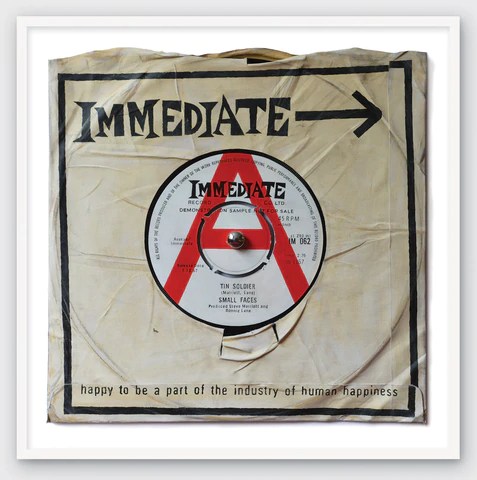
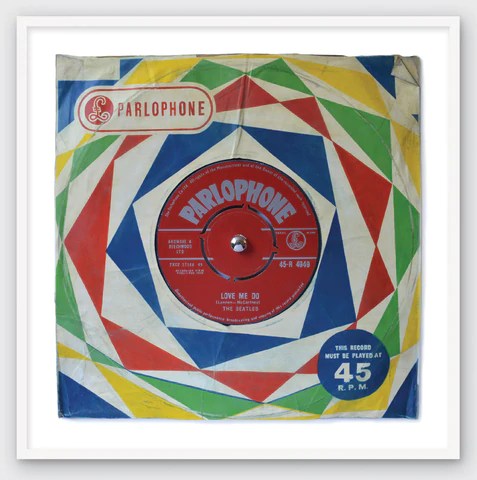
The first of the artists that I found who recreate vinyl records was Morgan Howell, a british painter who sspecialises in painting supersized seven-inch singles. Howell (aka @supersizeart) is based in St Albans, just outside London. His works have featured in gallery exhibitions and are for sale from his website. His singles are faithfully reproduced with their company paper sleeves showing signs of wear with creases and tears.

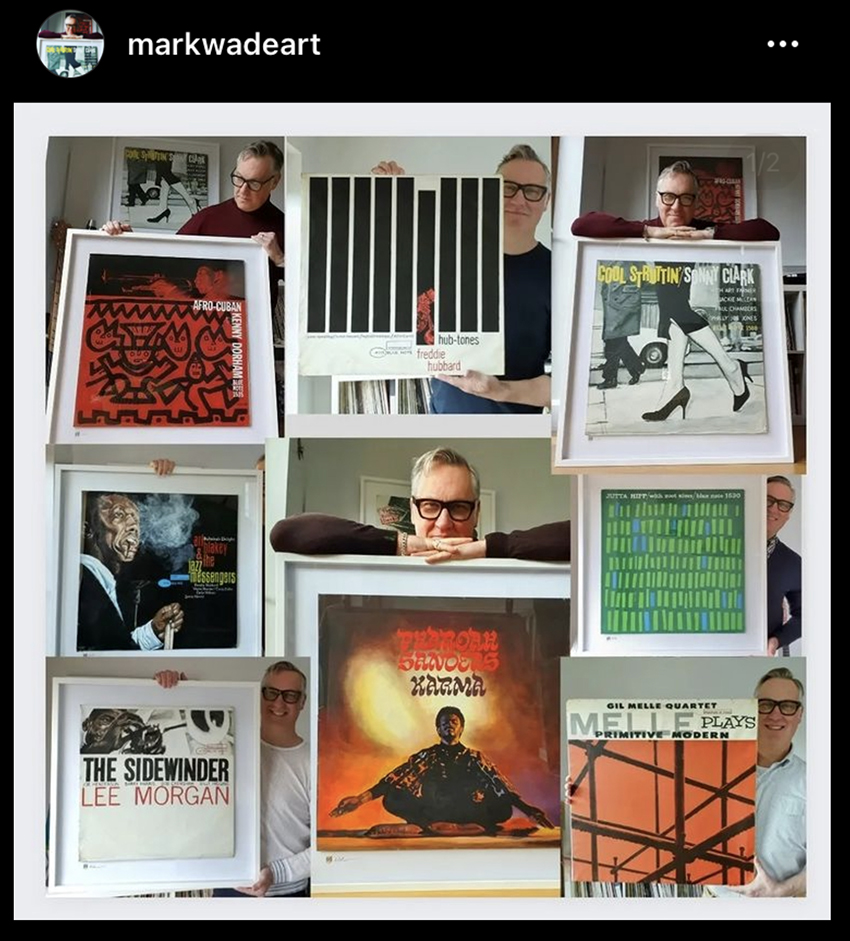
The next artist I call Mark 1. He’s Mark Wade, a British painter living in Windsor, who has specialized in recreating album covers, hand painting enlarged versions that measure 24 x 24 inches (61 x 61 cms). He uses acrylic paint on canvas and folds the canvas to be able to paint the record’s spine. His choice of which covers to paint seem quite eclectic. He has done several Blue Note covers, as well as soundtracks and rock and pop covers. His attention to detail is amazing always finishing the artwork to make the cover look lovingly used. Wade accepts commissions for covers. Here are two pictures from his @markwadeart Instagram flow.

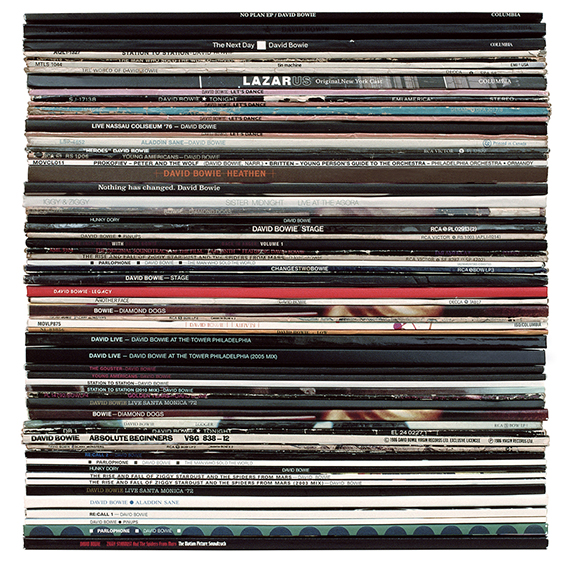
The artist I call Mark 2 is photographer Mark Vessey, who has made a name photographing piles of records, books and magazines to show their spines. He has produced limited editions of photos of piles of soundtrack albums and albums by Prince, David Bowie, among others. Buyers of his photographs can choose what size their budget allows, from 80 x 80 cm to 150 x 150 cms in limited editions. The 80 x 80 cm edition is limited to 50 copies, while the larger prints are much more limited – the 150 x 150 cm edition comprises only 2 copies.

Mark Vessey’s bundle of David Bowie album covers

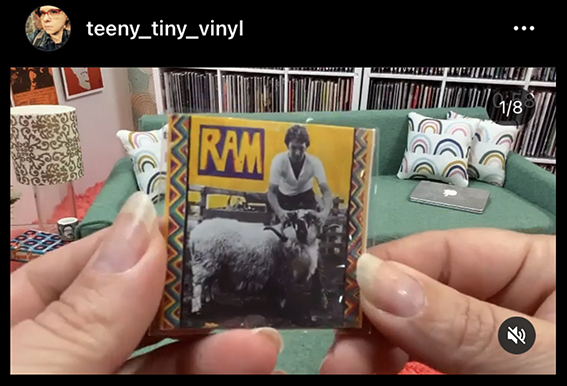
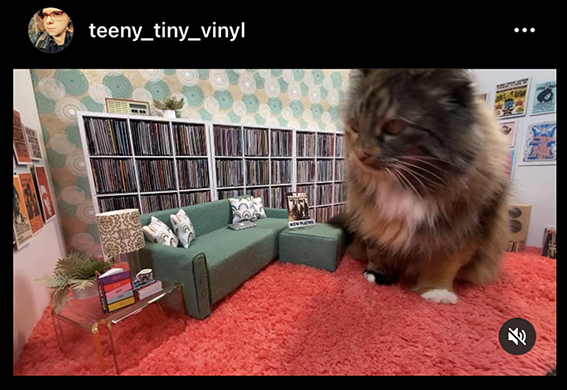
The fourth artist I’m celebrating is record collector extraordinaire, and cat lover, Laurie Cinotto (@teeny_tiny_vinyl), the only American in this trio, lives in Tacoma, Waashington, and, as far as I can see, the only amateur. She has recreated her music room in miniature, complete with hundreds (possibly thousands) of miniature record covers lovingly made. Each cover is two inches square and has its own plastic protective sleeve. She even reproduces the records on card to complete the reproduction. She has also made gatefold albums and box sets of records she loves. Here are a couple of pictures from her Instagram feed

As a maker of reproductions of record covers I am in awe of these people and especially the three who are able to make a career of their reproductions. Laurie Cimino deserves all respect för her dedication and obsessiveness to recreate her own miniature music would. I bet any music lover would like a doll’s house with Laurie’s record collection.

Note. All pictures are copyright of their respective owners.

A Couple of Banksy-style Covers Not by Banksy.

There are now over one hundred record and CD covers with artwork by Banksy or with works modified from original Banksy designs, most of which are unauthorised. With the escalation in value of Banksy prints in recent years, even record cover prices have soared and it seems impossible that normal people will be able to collect all of the known ones. It seems previously unknown covers with Banksy art appear almost weekly. Some less than scrupulous people are selling records or CDs with street art as possible Banksy covers. Auction site (such as Ebay) buyers can also be lured to buy records with grafitti art covers that happen to include a song with Banksy in the title — and there are a number of these.

Two have arrived in my collection. The first was U. K. Subs’ Ziezo album released in 2016. Track 4 on side B is called Banksy and the cover image could, at a stretch, be a stencilled work. I bought this as an interesting special edition record — pressed on tri-colour vinyl and the cover signed by the band.

The cover of the U. K. Subs’ Ziezo LP.

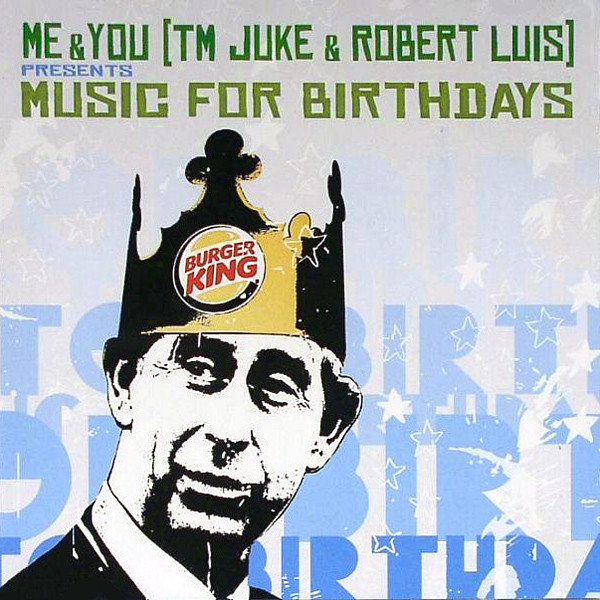
The second is a more recent purchase. It is a rare promotional compilation double CD called Music for Birthdays on the Rebtuz label. Generally only available as a download, this album also contains a song entitled Banksy Fashion (track 8 on CD 2.) However, I bought it for the cover image Burger King by the Norwegian street artist Dolk (Dolk Ludgren). Some people have suggested that Dolk may be a pseudonym for Banksy, who as far as we know has never done any murals in Norway. Dolk, though is the genuine article. Originating in Bergen, where his career started, he became famous for his portrait of the Norway’s Crown Prince Haakon wearing a Burger King crown. In 2006 he remade the image this time portraying Prince Charles wearing the Burger King crown instead of Haakon. A print edition of 250 was made.

The Music for Birthdays double CD uses an authorised version of Dolk’s Burger King on the booklet cover.

The booklet cover for the promotional CD Music for Birthdays.

I’m a Record Collector Without a Turntable.

According to an article I read some time ago, one fifth of people who own vinyl records do not have a turntable on which to play them. I imagined they must be people who had moved on to CDs or even to streaming music. But then I thought of all those who were selling their vinyl records filling the racks in my local record emporium. They didn’t need to own a turntable any more. And what about the people who just packed their old vinyl away in boxes and put them in the attic or wherever people store unwanted and unloved stuff?

Then I had an eureka moment. Hey, wait a minute! I don’t have a turntable — or a stereo — any more. My Transcriptor deck is with my daughter, who doesn’t listen to vinyl records and my amplifier is with my son-in-law, who, like me, doesn’t have a turntable.

J.A. Mitchell Transcriptor turntable. A thing of beauty.

My turntable was passed on in 2012. But I still collect records — preferably vinyl records. I collect them for the cover art. I’ve always had a love of nicely designed covers and followed the careers of record cover designers. Hipgnosis, Roger Dean, Peter Saville, Vaughan Oliver, John Berg, Jan van Hammersfeld, Eve Babitz, Rob Jones and others. Late in my “career” I discovered Alex Steinweiss, Jim Flora and Martin Stone Martin. But I always new about Andy Warhol, Peter Blake, Roy Lichtenstein and Richard Hamilton and Klaus Voormann. Then there was Damien Hirst followed by Banksy and, most recently, David Shrigley.

So now I have limited my collecting to specific artists: Banksy, Peter Blake, Damien Hirst, David Shrigley, Klaus Voormann and Andy Warhol. I have been quite lucky in getting hold of many of the early and rarer covers by these artists soon after the records were released, or, in the case of Andy Warhol and Banksy, early enough to be able to find them cheaply.

I follow many on social media and via mailing lists, so I hopefully don’t miss any new releases by my favoured designers. I also try not to fall for other merchandice (prints, posters, tee shirts) by these artists, but sometimes feel they complete a collection. For example, the poster for Drake’s 2021 Certified Lover Boy album, so far only released digitally with no vinyl or CD format. The cover was designed by Damien Hirst and I managed to pull a couple of posters off hoardings near where I live.

A side effect of limiting my collecting to specific artists is that I am no longer tempted to buy beautiful covers by other designers. I find that there are so many lovely covers that could tempt me but I try to resist temptation so that I can continue to find (and finance) covers by those I do collect.

The Drake poster.

I should mention that I have always catalogued my records, CDs and cassettes on sites like pop.nu and rateyourmusic.com so I have complete lists oc my collections. And I can still listen to the music via streaming, so I really don’t miss my turntable. And, I have all the covers of the records, CDs and cassettes to hold and admire while I listen.

More on Ed Sheeran’s “=” [Equals] Cover.

My vinyl bundle of this latest Ed Sheeran release arrived this week. I received the limited edition recycled vinyl LP, the standard CD, the limited edition coloured vinyl LP with CD in the deluxe book cover, and the limited edition cassette.

The front cover of the “=” [Equals] LP.

Nowhere could find a credit to the art direction or design. However, Ed Sheeran’s friendship with Damien Hirst is well documented; not least on Sheeran’s Instagram site, and the presence of butterflies is highly suggestive of Hirst’s work.

Damien Hirst redesigning Ed Sheeran’s plaster cast (from Ed Sheeran’s Instagram).

Further research into Ed Sheeran’s discography took me to the artist’s previous album release “Divide”, which has a sort of spin painting on the cover, looking suspiciously like a Damien Hirst work.

The cover of the “Divide” album.

However, it turns out that Damien Hirst allowed his mate to use his studio to play around and make this artwork himself. So the “Divide” cover is not a Damien Hirst design, but an Ed Sheeran product.

Comment from Loughran Gallery on the “Divide” cover art.

Well, that saves me the expense of having to chase a copy of this particular Ed Sheeran album.

Some New Thoughts about Collecting Banksy’s Record Cover Art.

It seems that this blog has become a reference work for information on record and CD covers with cover art by the artist known as Banksy. And I find it very flattering. My aim, way back in the 00s, was to catalogue all record and CD covers with Banksy’s art, irrespective of whether or not the release used an authorised Banksy image. To date I have catalogued about 100 releases.

Banksy’s art has been sold as paintings, stencilled prints or silkscreen prints, the latter being the most commonly available. The prints are commonly limited editions, often in editions of 100 or 250 which may be signed or unsigned. Both are becoming scarce and command very high prices; witness the recent sale of Banksy’s painting Love is in the Bin for GBP 18 million. Signed prints of his more iconic works are currently (October 2021) on offer for GBP 100,000 to 200,000.

I bought Blur’s Think Tank LP when it was released in 2003 and the promotional Parlophone and Observer CDs around the same time. However, I didn’t start seriously collecting Banksy’s record cover art until around 2005. Back then I could buy the records as they were released and they cost no more that other 12″ records, so my set of Dirty Funker’s Future 12″-ers cost GBP 6.99 each; likewise my set of Dirty Funker’s Laugh Now / Keep It Real 12″-ers (there’s a set for sale on Ebay just now for GBP 10,000). The most expensive release I bought was Dirty Funker’s Let’s Get Dirty (the first press without the Dymo strips across Kate Moss’s eyes) from a fellow collector for GBP 100. I added more and more records and CDs as time went on.

Once upon a time, the most expensive Banksy covers were the two he had purportedly stencilled himself: the Capoeira Twins’ promotional 12″ 4 x 3 / Truth Will Out and Röyksopp’s promotional Melody A.M. double LP; each produced in editions of 100 copies, comparable to Banksy’s limited edition prints. However, the records have been selling for about a tenth of what an equivalent print would cost.

So, when I started collecting, the covers were affordable and remained so until about 2015 when prices began to rise. Now, however, many collectors are competing to find Banksy’s record covers and prices have skyrocketed. I am amazed (and shocked) to see someone trying to sell copies of Dirty Funker’s Flat Beat 12″ for between EUR 815 (about GBP 700) and AUD 6,500 (about GBP 3,500), and copies of Queen & Cuntry’s Don’t Stop Me Now are for sale on Ebay for about GBP 4,000! These prices are stimulating the production of forgeries. I am not sure all the copies offered for sale nowadays are 100% genuine.

Apart from the question of forgeries, there are other ways unscrupulous producers are cashing in on the willingness of collectors to fork out large sums for limited edition covers. These seem to be on the increase. Take TV-Age’s beautiful The Player EP (an apparently hand screened cover in an unnumbered edition, said to be 100 copies) or Boys in Blue’s two 12″ singles Funk da Police (unnumbered edition, said to be 100 copies) and Strawberry Doughnut / Thick as Thieves (numbered edition of 250 copies). In my view these have been produced exclusively to lure collectors of Banksy covers to pay large sums for worthless music.

Another group that is cashing in on the widespread interest in collecting record cover art are the Israeli producers of picture discs with art by a variety of artists ranging from Banksy (like this one) to Warhol. They sell via Ebay and generally cost around USD 300 for a single-sided, generally unplayable, 12″ single. I made the mistake of buying a couple of these to test. I hope nobody else will fall for the con.

Thus I have now decided in future to concentrate only on official releases with Banksy’s art. Several CDs and cassettes have recently surfaced that are unoffical and I will not join in the bidding for these, nor will I go for the latest Boys in Blue 12″. Let’s all agree to boycott the speculative releases and just concentrate on the legitimate ones.